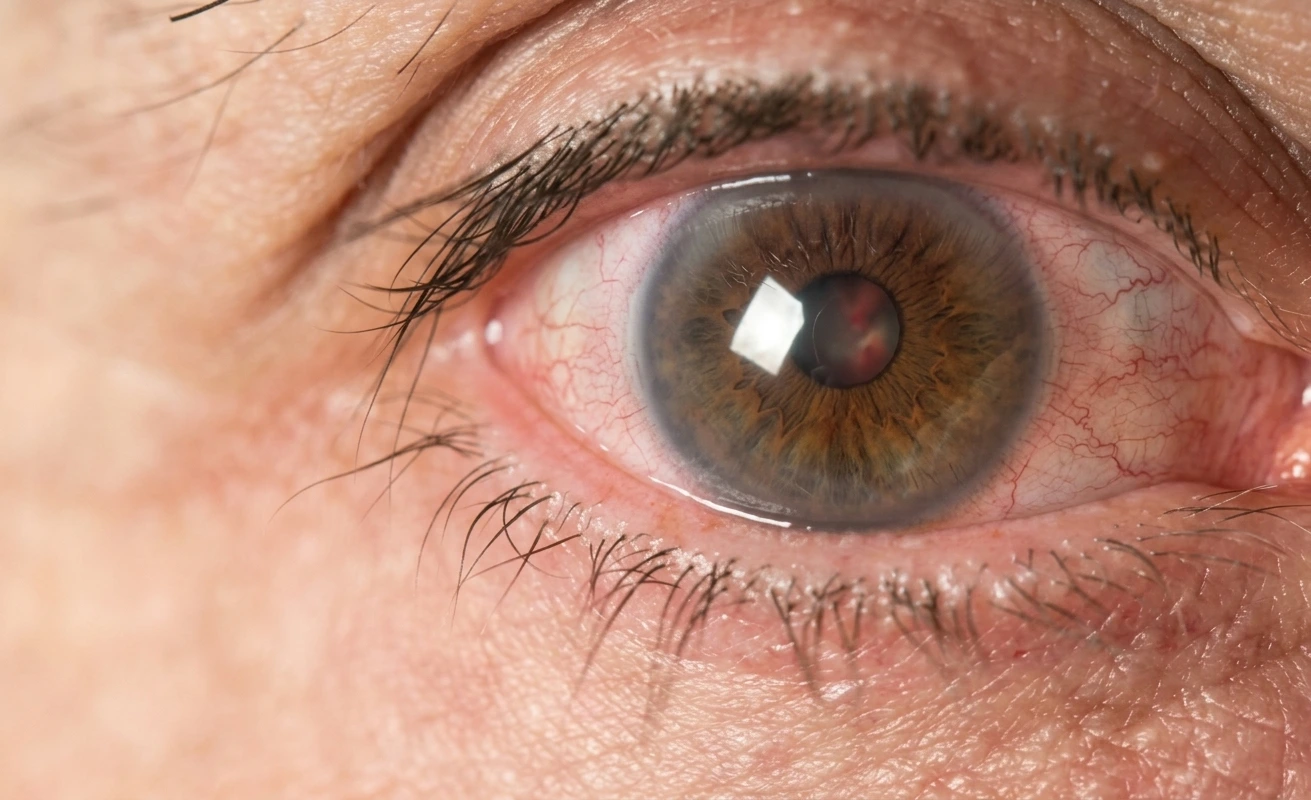
Persistent watery eyes, or epiphora, is a condition in which tears are produced or drained abnormally, causing them to overflow and often run down the cheeks. Although it is often considered a minor problem, watery eyes do not always mean that the eyes are producing too many tears. In some people, the condition is actually caused by a problem with the tear drainage system.
The causes of watery eyes can vary, ranging from dry eyes, allergies, and infections to blocked tear ducts that require specific treatment.
What Is Epiphora?
Tears are produced to keep the surface of the eye moist, remove debris, and protect the eyes from infection. Under normal conditions, tears flow through the tear ducts into the nasal cavity. If tear production increases or the drainage system is disrupted, tears can overflow from the eyes, making them appear constantly watery.
Causes of Persistent Watery Eyes
1. Blocked Tear Ducts
One of the most common causes is a blocked tear duct (nasolacrimal duct obstruction). A blockage prevents tears from draining properly, causing them to overflow from the eye. The condition can affect one or both eyes.
2. Dry Eyes
Although it may sound contradictory, dry eyes can actually cause watery eyes. When the surface of the eye becomes irritated due to an inadequate or unstable tear film, the body may produce excessive reflex tears. However, these reflex tears do not always lubricate the surface of the eye effectively.
3. Eye Allergies
Allergic reactions can cause watery, itchy, red, and swollen eyes. Symptoms usually occur in both eyes and are often triggered by dust, pollen, pet dander, or other allergens.
4. Eye Infections
Conjunctivitis or other eye infections can increase tear production. In addition to watery eyes, patients may experience eye redness, a sensation of something being in the eye, or eye discharge.
5. Eyelid Disorders
Abnormal eyelid positioning, such as ectropion (the eyelid turns outward) or entropion (the eyelid turns inward), can interfere with the distribution and drainage of tears, causing persistent watery eyes.
6. Foreign Objects or Corneal Injury
Dust, eyelashes, or scratches on the cornea can stimulate tear production as a natural protective mechanism.
How Can the Cause of Watery Eyes Be Determined?
An ophthalmologist will perform a comprehensive eye examination to determine whether the cause is related to:
- Excessive tear production.
- Eye surface disorders.
- Eyelid position.
- A blocked tear duct.
In certain conditions, the doctor may perform an examination of the lacrimal system, including tear duct irrigation or other diagnostic tests when necessary.
What Is a Blocked Tear Duct?
The tear ducts are pathways that carry tears from the eyes into the nasal cavity. If these ducts become narrowed or blocked, tears cannot drain properly and may overflow through the eyelids.
In addition to watery eyes, some patients may also experience:
- Recurrent eye discharge.
- Swelling at the inner corner of the eye.
- Infection of the lacrimal sac (dacryocystitis).
- A sticky sensation in the eyes.
How Is It Treated?
Treatment depends on the underlying cause.
If watery eyes are caused by dry eyes, the doctor will treat the underlying eye surface disorder. If allergies or infections are present, treatment will be tailored to the specific cause. For blocked tear ducts, the doctor may consider treatment based on the location and severity of the blockage. One procedure that is commonly performed in certain cases is dacryocystorhinostomy (DCR), which creates a new pathway for tear drainage.
The appropriate treatment will be determined after a comprehensive examination.
When Should You See an Ophthalmologist?
You should seek an eye examination if:
- Watery eyes persist continuously.
- Watery eyes occur only on one side and do not improve.
- They are accompanied by a lump or swelling at the inner corner of the eye.
- There is fluid or pus discharge.
- The eye is red and painful.
- Your vision becomes blurred.
An examination is important to determine whether there is a problem with the tear drainage system or another eye condition.
Can Watery Eyes Be Prevented?
Several measures may help, including:
- Maintaining good eye and eyelid hygiene.
- Treating dry eyes according to your doctor’s recommendations.
- Avoiding exposure to known allergens.
- Wearing eye protection when working in dusty environments.
- Having an eye examination if watery eyes persist for a long time.
FAQ About Watery Eyes
Watery eyes can occur due to dry eyes, allergies, infections, or blocked tear ducts.
No. Many other conditions can cause watery eyes, including disorders of the lacrimal system.
Symptoms may include persistent watery eyes, recurrent eye discharge, swelling at the inner corner of the eye, or infection of the lacrimal sac.
Not always. Treatment depends on the cause, location, and severity of the blockage. The doctor will determine whether a procedure such as DCR is necessary.
References:
American Academy of Ophthalmology. Blocked Tear Duct.
American Society of Ophthalmic Plastic and Reconstructive Surgery (ASOPRS). Tear Drainage Disorders.
Mayo Clinic. Blocked Tear Duct.
StatPearls. Nasolacrimal Duct Obstruction.
Ali MJ. Principles and Practice of Lacrimal Surgery.
Medically reviewed by: dr. Claudia Hartomuljono, Sp.M