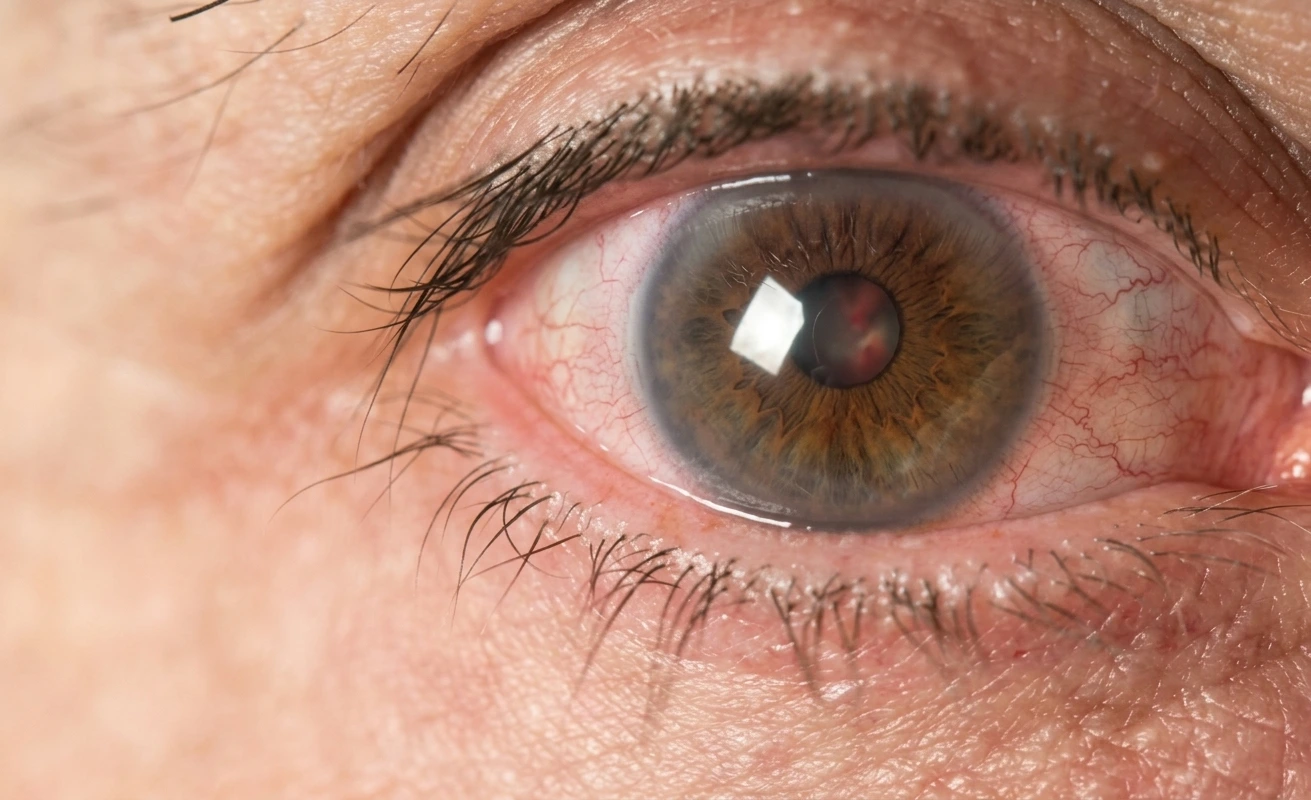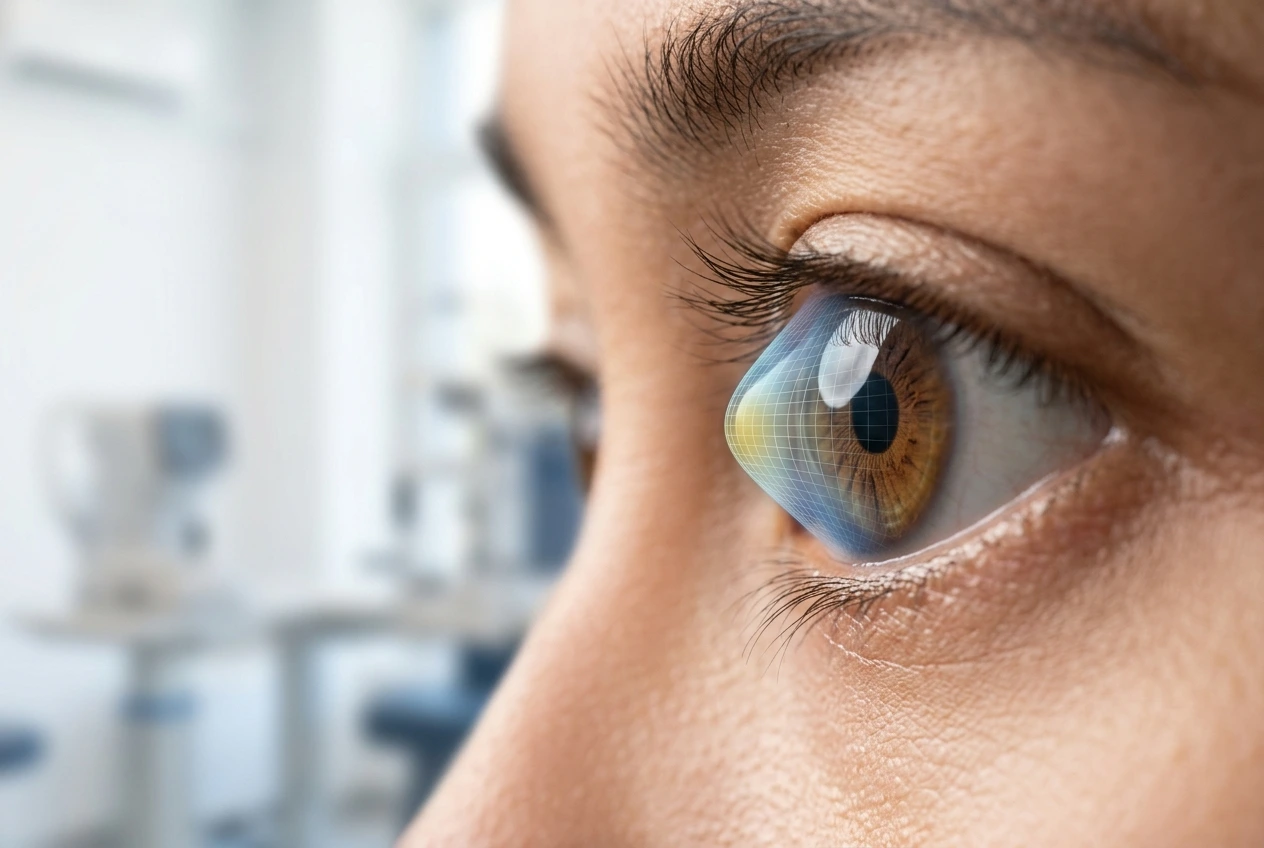
Cataracts do not only occur in older adults. Younger people can also develop cataracts due to certain factors, such as eye injuries, health conditions, certain medications, or other causes.
Cataracts at a young age are less common than age-related cataracts. Therefore, when blurred vision develops at a younger age, the cause should be evaluated rather than automatically assumed to be nearsightedness or astigmatism.
Can young people develop cataracts? Yes. Cataracts at a young age may be associated with eye injuries, certain diseases, the use of steroid medications, genetic factors, or other causes. An eye examination is necessary to determine the possible cause of blurred vision.
What Is a Cataract?
A cataract is a condition in which the natural lens of the eye becomes cloudy, causing blurred or hazy vision. Cataracts are most commonly associated with aging, but lens clouding can also occur at a younger age.
In the early stages, symptoms may be mild and may not significantly interfere with daily activities. As the cataract progresses, vision may gradually become worse.
Can Cataracts Occur at a Young Age?
Yes.
Although cataracts are more commonly found in older adults, they can also occur in children, teenagers, and young adults. Cataracts that develop at a younger age may have different causes from age-related cataracts. Therefore, an eye examination is necessary to determine the possible underlying cause.
What Causes Cataracts at a Young Age?
Several factors may be associated with cataracts at a young age, including:
1. Eye Injuries
Trauma to the eye can damage the lens and trigger cataract formation. Injuries may occur due to blunt impact, foreign objects, or accidents.
2. Diabetes
Diabetes can increase the risk of various eye problems, including cataracts. Long-term uncontrolled blood sugar levels can affect tissues within the eye.
3. Steroid Medication Use
The use of steroid medications under certain circumstances can increase the risk of cataracts, particularly when used over a long period. Therefore, steroid medications should be used according to a doctor’s recommendations and under appropriate medical supervision.
4. Genetic Factors
Some types of cataracts that develop at an earlier age may be associated with genetic factors or a family history of cataracts.
5. Certain Eye Conditions
Certain eye diseases or inflammation can increase the risk of developing cataracts in some patients.
6. Other Factors
A history of eye surgery, exposure to certain types of radiation, and certain health conditions may also be associated with cataract formation.
Not all cases of cataracts at a young age have one immediately identifiable cause. Doctors need to evaluate the patient’s medical history and eye condition to determine the possible contributing factors.
What Are the Signs of Cataracts at a Young Age?
The symptoms of cataracts at a young age are generally similar to those experienced by older adults.
Symptoms may include:
- Blurred vision.
- Hazy or cloudy vision.
- Increased sensitivity to bright light or glare.
- Difficulty seeing at night.
- Colors appearing faded or less vivid.
- Vision becoming increasingly unclear.
- More frequent changes in eyeglass prescription.
Symptoms typically develop gradually, but the severity can vary from person to person.
Does Blurred Vision at a Young Age Mean You Have Cataracts?
Not necessarily.
In younger people, blurred vision is more commonly associated with refractive errors such as nearsightedness, farsightedness, or astigmatism. However, cataracts can also cause blurred vision.
Because there can be several possible causes, an eye examination is important, particularly if vision continues to worsen or does not improve with appropriate eyeglass correction.
How Are Cataracts Detected at a Young Age?
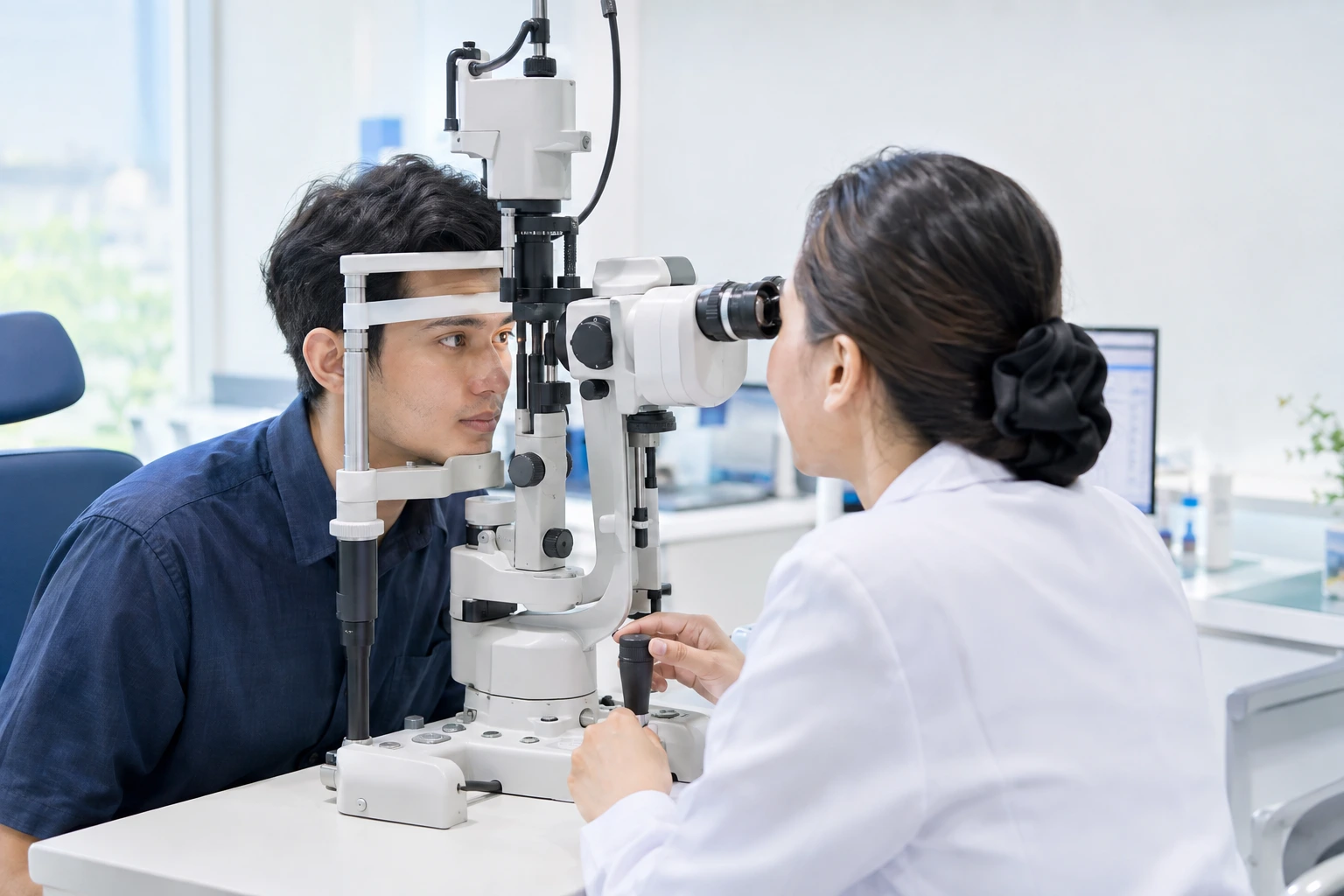
Cataracts can be identified through an eye examination.
A doctor may perform:
- Visual acuity testing.
- Refraction testing.
- Examination of the front part of the eye.
- Examination of the eye’s natural lens.
- Examination of the retina and other internal structures of the eye.
- Additional examinations based on the patient’s condition.
These examinations help determine whether blurred vision is caused by a cataract or another eye condition.
Do Cataracts at a Young Age Require Immediate Surgery?
Not always.
The decision to perform cataract surgery depends on how significantly the cataract affects the patient’s vision and daily activities. If the cataract is still mild and does not interfere with daily activities, the doctor may recommend regular monitoring.
Surgery may be considered when vision impairment becomes significant or begins to affect the patient’s quality of life.
Can Cataracts at a Young Age Be Prevented?
Not all cases can be prevented, but certain risk factors can be reduced.
Some steps that may help include:
- Protect your eyes from the risk of injury during work or other activities.
- Wear appropriate protective eyewear during activities that involve a risk of eye impact.
- Manage health conditions such as diabetes.
- Use steroid medications only as recommended by a doctor.
- Have an eye examination if you experience changes in your vision.
Maintaining eye health and seeking an eye examination when symptoms develop can help detect changes at an earlier stage.
When Should You Have an Eye Examination?
An eye examination is recommended if you experience:
- Increasingly blurred vision.
- Increasingly bothersome glare.
- Difficulty seeing at night.
- Colors appearing faded or less vivid.
- Vision that does not improve with glasses.
- Frequent changes in eyeglass prescription.
- A history of eye injury.
- Diabetes or other risk factors.
Blurred vision that develops or worsens at a young age should not automatically be assumed to be a change in eyeglass prescription.
FAQ About Cataracts at a Young Age
Yes. Cataracts can occur at a young age, although they are more commonly associated with the aging process in older adults.
Possible causes include eye injuries, diabetes, certain steroid medications, genetic factors, eye diseases, and other health conditions.
Symptoms may include blurred or hazy vision, increased sensitivity to glare, difficulty seeing at night, faded colors, and gradual changes in vision.
No. Blurred vision can be caused by nearsightedness, farsightedness, astigmatism, dry eye, or other eye conditions. An eye examination is needed to determine the underlying cause.
Not always. Surgery is considered based on the degree of vision impairment, its impact on daily activities, and the patient’s overall eye condition.
Cataracts cannot be removed with glasses or eye drops. However, when a cataract is at a stage that does not interfere with daily activities, a doctor may recommend monitoring the condition first.
Conclusion
Cataracts can occur at a young age, although they are more commonly found in older adults. Factors that may be associated with cataracts at a younger age include eye injuries, diabetes, certain steroid medications, genetic factors, and other eye or health conditions.
Symptoms may include blurred or hazy vision, glare, difficulty seeing at night, and colors appearing faded or less vivid.
Because blurred vision at a young age can also be caused by many other conditions, an eye examination is important to determine the underlying cause.
The sooner the cause of a vision problem is identified, the sooner appropriate monitoring and treatment can be determined.
Reference:
National Eye Institute – Cataracts
National Eye Institute – Cataract Surgery
American Academy of Ophthalmology – What Are Cataracts?