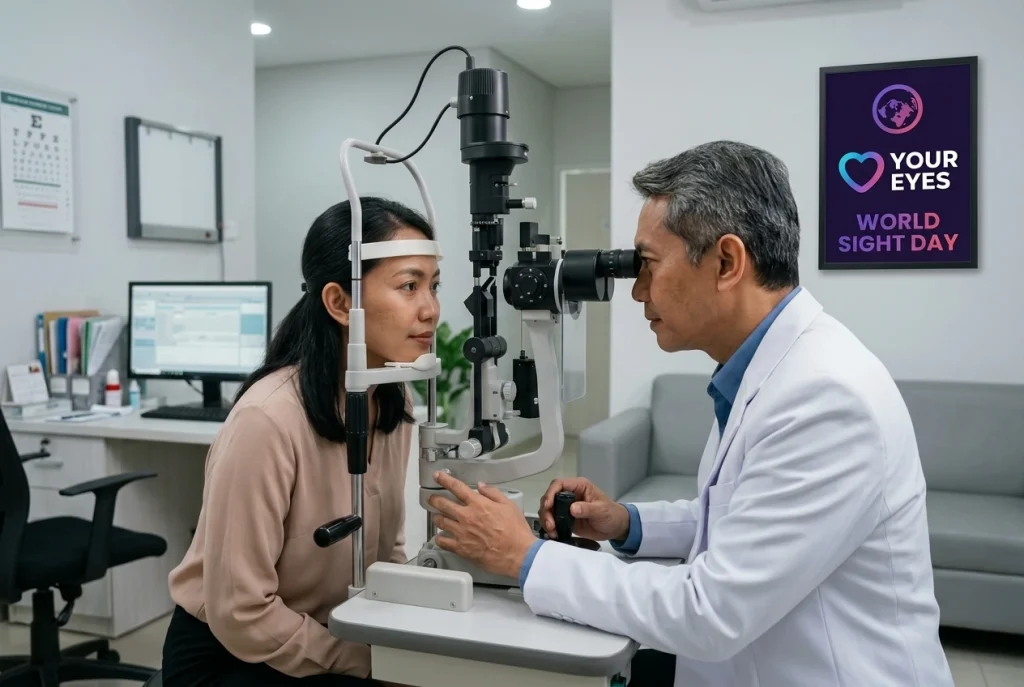
Many people only have their eyes checked when they begin experiencing vision problems, such as difficulty reading small print or seeing clearly from a distance. However, some eye conditions develop gradually and may not cause noticeable symptoms in their early stages. This is where regular eye exams play an important role.
World Sight Day 2026 will be observed on Thursday, October 8, 2026. This annual awareness day, coordinated by the International Agency for the Prevention of Blindness (IAPB), once again highlights the #LoveYourEyes campaign, which encourages everyone to prioritize their eye health, including through access to affordable eye examinations and eyeglasses.
This article explains why regular eye exams are important, which eye conditions can be detected early, who should be more vigilant, and when you should have your eyes examined.
What Is World Sight Day and Why Is It Observed?
World Sight Day is a global eye health awareness day observed every second Thursday of October. It aims to encourage the public, healthcare professionals, and policymakers to pay greater attention to preventing vision impairment that can often be avoided.
In 2026, the #LoveYourEyes campaign highlights personal stories, real-life experiences, and community action. The campaign also promotes better access to eye care services, including affordable eye examinations and eyeglasses.
The message is simple and relevant to everyone: protecting your vision is not something to think about only when an eye problem occurs. It is also a healthy habit that should be developed from an early age.
How Significant Is the Global Burden of Vision Impairment?
According to the World Health Organization (WHO) World Report on Vision, at least 2.2 billion people worldwide live with vision impairment or blindness. Of these, at least 1 billion cases could have been prevented or have yet to receive the care they need.
The main causes include uncorrected refractive errors, such as nearsightedness and farsightedness, as well as cataracts. Other conditions, such as glaucoma and diabetic retinopathy, also contribute to vision impairment, particularly when they are detected too late.
This means that many vision problems can be prevented or managed more effectively when detected early. Regular eye examinations are one of the most practical ways to achieve this.
Why Are Regular Eye Exams Important?
Regular eye exams are not only about finding out whether you need glasses. They allow an ophthalmologist to assess your overall eye health, including parts of the eye that you may not be able to detect or feel yourself.
1. Detecting Eye Conditions Before Symptoms Appear
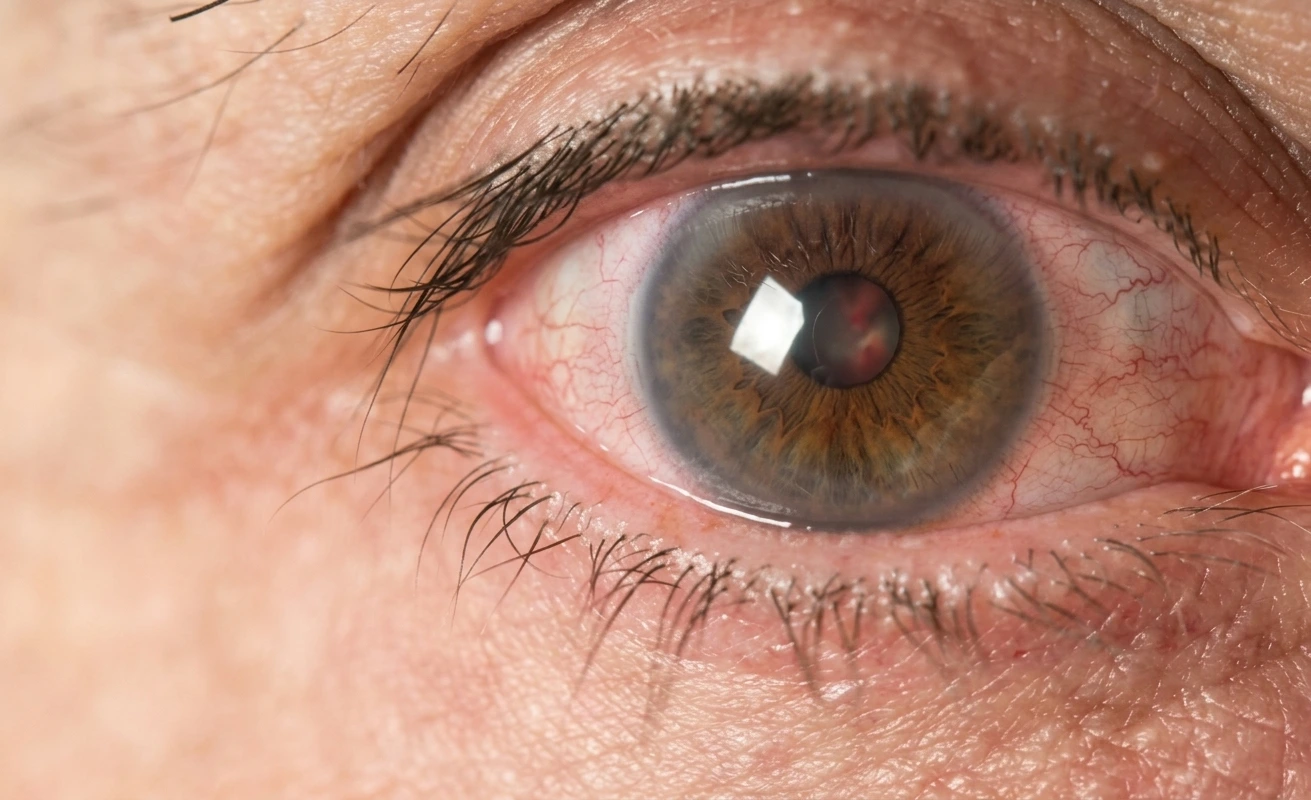
Some eye conditions, such as glaucoma and diabetic retinopathy, can develop without obvious symptoms in their early stages. Vision may only become noticeably affected once the condition has progressed. Regular eye exams provide an opportunity to detect early changes before they become more serious.
2. Ensuring Your Eyeglass or Contact Lens Prescription Is Still Appropriate
Your vision correction needs can change over time. Wearing glasses with an outdated prescription may cause eye strain, a feeling of heaviness or discomfort in the head, and reduced comfort during daily activities.
3. Monitoring Existing Eye Conditions
For people with high myopia, a history of eye disease, or systemic conditions such as diabetes, regular eye examinations help doctors monitor changes over time and determine the appropriate course of treatment.
4. Supporting Children’s Development and Academic Performance
Children may not realize that their vision is not clear. They may simply appear to have difficulty seeing the board at school or become tired quickly while studying. Eye examinations help ensure that a child’s vision supports their learning and development.
5. Maintaining Quality of Life and Productivity
Good vision affects almost every aspect of daily life, from working and driving to interacting with others. Having regular eye examinations is a small investment in maintaining independence, comfort, and productivity in everyday activities.
Which Eye Conditions Can Be Detected Early?
Through an eye examination, an ophthalmologist can identify a number of conditions, including:
- Refractive errors, which occur when the eye cannot focus light properly, including nearsightedness (myopia), farsightedness (hyperopia), and astigmatism.
- Presbyopia, a condition in which the eyes have difficulty focusing on nearby objects due to the reduced flexibility of the lens with age.
- Cataracts, a condition in which the eye’s natural lens becomes cloudy, causing blurred or hazy vision and increased sensitivity to glare.
- Glaucoma, damage to the optic nerve that is often associated with increased eye pressure and can gradually narrow the field of vision.
- Diabetic retinopathy, damage to the blood vessels of the retina caused by diabetes.
- Macular degeneration, a condition affecting the central part of the retina that is responsible for detailed vision.
- Amblyopia (lazy eye) and strabismus (crossed or misaligned eyes) in children, which are more effectively managed when identified at an early age.
What Happens During an Eye Examination?
The types of examinations performed depend on a person’s age, symptoms, and individual risk factors. In general, an eye examination may include:
- Medical history assessment, including symptoms, medical history, medications, and a family history of eye disease.
- Visual acuity testing to assess how clearly you can see.
- Refraction testing to determine your need for glasses or contact lenses.
- Eye pressure measurement as part of an assessment of glaucoma risk.
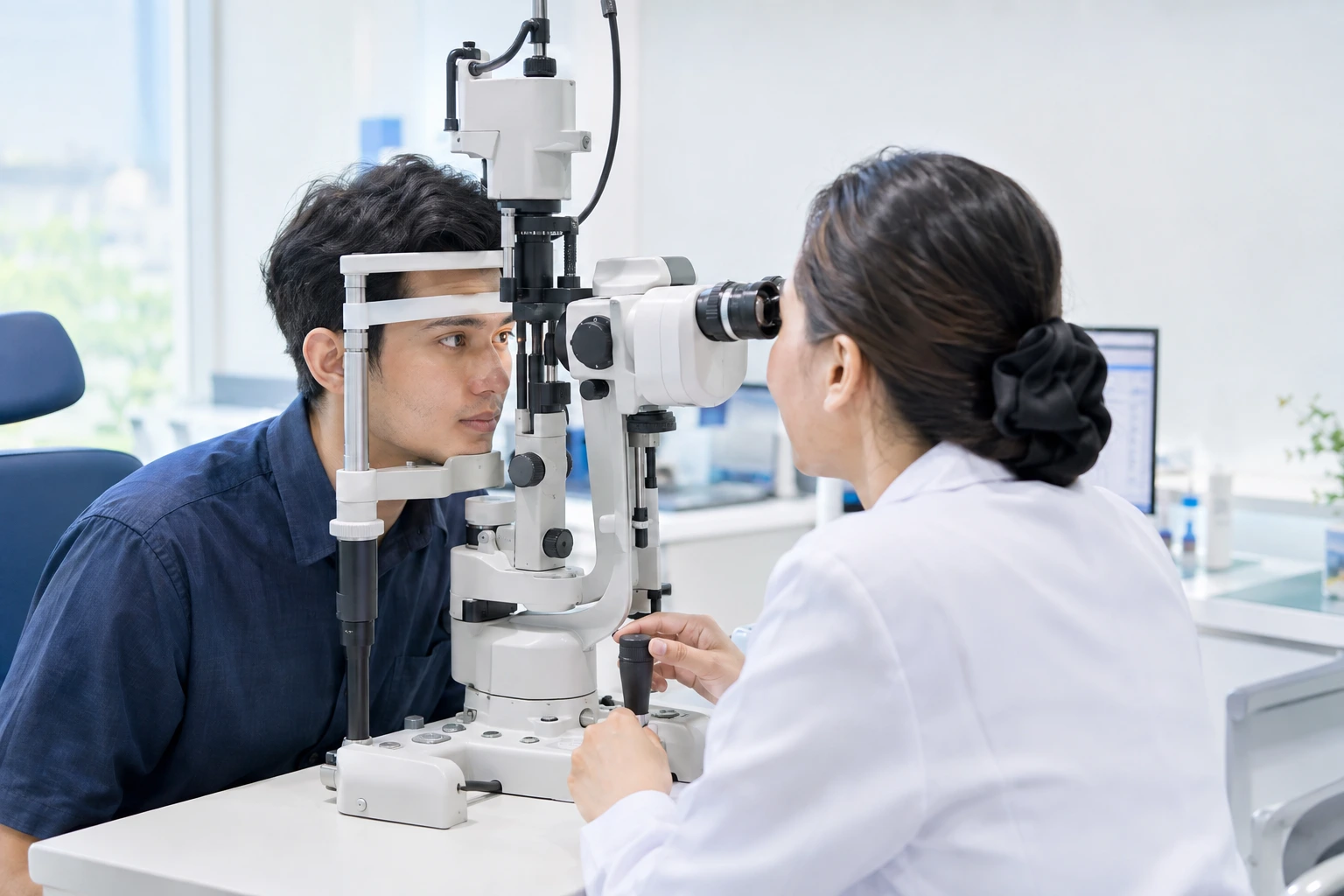
- Anterior eye examination, including the cornea and lens, using specialized instruments.
- Examination of the back of the eye, including the retina and optic nerve. In certain situations, dilating eye drops may be used to allow a more detailed examination.
Warning Signs That Should Not Wait for a Routine Eye Exam
Routine eye examinations do not replace prompt medical attention when symptoms occur. Have your eyes examined as soon as possible if you experience:
- Blurred, double, or reduced vision, especially if it occurs suddenly.
- Dark shadows, an increasing number of floaters, or flashes of light.
- A narrowing field of vision.
- Eye pain, persistent eye redness, or extreme sensitivity to light.
- Difficulty seeing in dim lighting or excessive glare, particularly at night.
- Frequent headaches that occur together with vision problems.
- A history of eye injury or a foreign object entering the eye.
Simple Habits to Help Maintain Eye Health
In addition to regular eye examinations, several simple habits can help maintain eye comfort and overall eye health:
- Follow the 20-20-20 rule when using digital screens: every 20 minutes, rest your eyes by looking at an object approximately 6 meters away for 20 seconds.
- Use adequate lighting when reading or working.
- Wear appropriate eye protection during activities that may pose a risk to your eyes, such as driving or working around dust and chemicals.
- Wear sunglasses with UV protection when exposed to strong sunlight.
- Keep contact lenses clean and avoid sleeping while wearing them unless specifically advised by your doctor.
- Manage underlying health conditions such as diabetes and hypertension.
- Avoid smoking, as it is associated with an increased risk of several eye diseases.
- Eat a balanced, nutritious diet and drink enough water.
FAQ About Regular Eye Exams
Yes. Children may not realize that their vision is impaired because they may assume that what they see is normal. Eye examinations can help detect conditions such as myopia or amblyopia at an early stage, allowing timely treatment.
Yes. Diabetic retinopathy may not cause noticeable symptoms in its early stages. Regular retinal examinations can help detect changes earlier, allowing doctors to determine the appropriate management.
Eye examinations at optical stores are generally focused on determining your need for glasses. To comprehensively assess eye health including eye pressure, the lens, retina, and optic nerve you need an examination by an ophthalmologist.
Conclusion
World Sight Day 2026 serves as a reminder that protecting your vision should begin before problems arise. Many eye conditions can be prevented or managed more effectively when detected early, while some conditions may develop without noticeable symptoms in their initial stages.
Regular eye examinations help ensure that your eyeglass prescription remains appropriate, monitor existing eye conditions, and detect changes in parts of the eye that you cannot see or assess yourself. This is important for people of all ages, particularly children, people with diabetes, and those with other risk factors.
Make World Sight Day an opportunity to schedule an eye examination for yourself and your family. If you experience blurred vision, eye pain, or any other concerning symptoms that interfere with your daily activities, consult an ophthalmologist promptly.
Reference:
International Agency for the Prevention of Blindness (IAPB). World Sight Day 2026: An Important Milestone Toward Eye Care for All.
International Agency for the Prevention of Blindness (IAPB). World Sight Day.
World Health Organization (WHO). World Report on Vision.
World Health Organization (WHO). Blindness and Vision Impairment (Fact Sheet).
American Academy of Ophthalmology. Eye Exams for Adults dan Eye Health Guidelines.