Understanding the Retina

The retina is a thin layer at the back of the eye that captures light and converts it into visual signals for the brain. In front of the retina, the vitreous acts as a clear gel-like substance that fills and supports the eye.

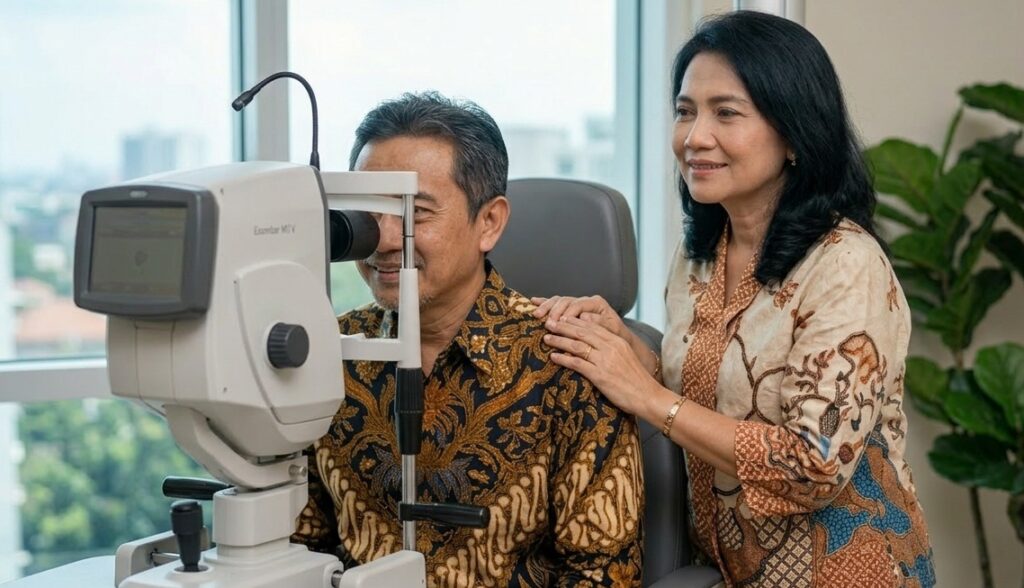
Abnormalities or diseases of the retina can lead to vision problems. Therefore, regular retinal examinations by an ophthalmologist especially a vitreoretinal specialist are important for early detection.

Symptoms to Watch For

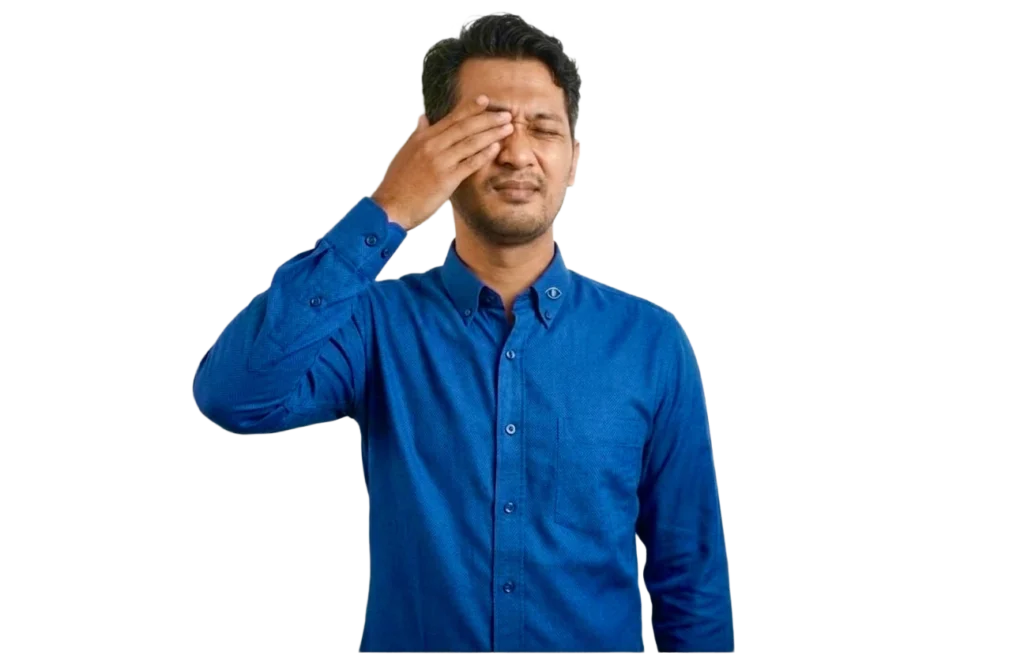
Many retinal conditions develop without clear symptoms in the early stages. However, sudden changes may occur in certain cases and require immediate attention.

If you notice any of the following signs, consult a medical professional promptly:

Floaters – small spots or black specks drifting in your vision, often resembling cobwebs

Flashes (Photopsia) – brief flashes of light, especially in dark environments

Vision Loss – blurred vision or a shadow/curtain-like effect over your sight

Visual Distortion – objects appear wavy, tilted, or irregular

Symptoms to Watch For

Many retinal conditions develop without clear symptoms in the early stages. However, sudden changes may occur in certain cases and require immediate attention.

If you notice any of the following signs, consult a medical professional promptly:

Floaters – small spots or black specks drifting in your vision, often resembling cobwebs

Flashes (Photopsia) – brief flashes of light, especially in dark environments

Vision Loss – blurred vision or a shadow/curtain-like effect over your sight

Visual Distortion – objects appear wavy, tilted, or irregular

Approach to Retinal Care at Mayapada Eye Centre

Comprehensive Examination

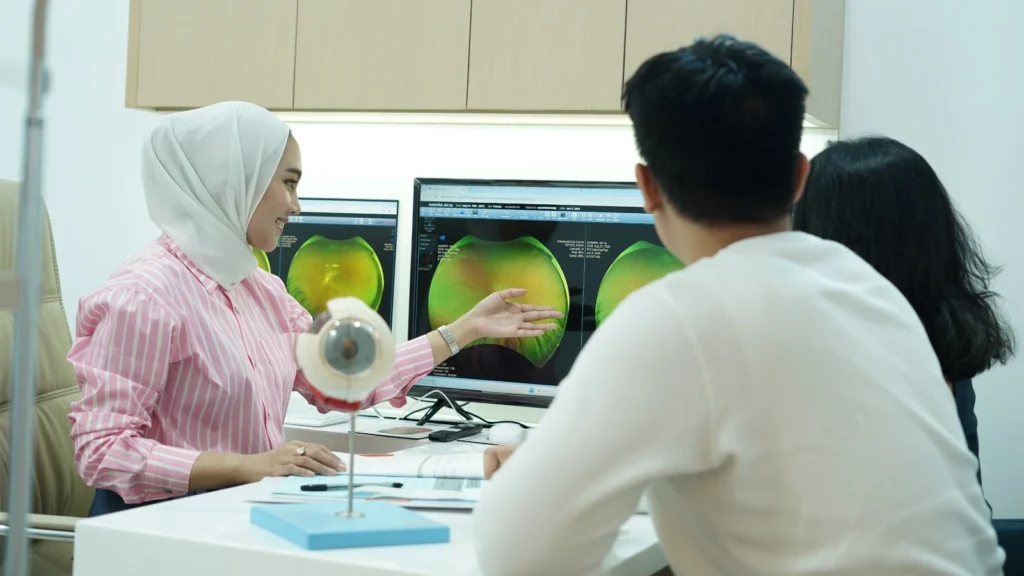
Detailed evaluation of the retina using advanced imaging technology to accurately detect abnormalities.

Medical & Laser Treatment

Certain retinal conditions can be managed with medication or laser therapy based on clinical indications.

Vitreoretinal Surgery

For specific cases requiring surgical intervention, procedures are performed by a vitreoretinal subspecialist.

How Is a Retinal Examination Performed?

Consultation vision complaints

Visual acuity testing

Retinal evaluation instruments

Determination of a treatment plan

How Is a Retinal Examination Performed?

Consultation vision complaints

Visual acuity testing

Retinal evaluation instruments

Determination of a treatment plan

Who Should Undergo a Retinal Examination?

At Mayapada Eye Centre, a retinal examination is recommended for individuals with certain risk factors or symptoms.

You should consider an examination if you:

Individuals with diabetes

Individuals over 40 years old

Individuals with high myopia (severe nearsightedness)

Those experiencing sudden changes in vision

FAQ

Not always. Many retinal conditions do not cause pain.

No. Treatment may include observation, medication, laser therapy, or other procedures depending on the condition.

Yes. Diabetic retinopathy often develops without early symptoms.

Start Your Eye Examination

Start Your Eye
Examination

Schedule a consultation with our eye specialist by filling out the form below.