Glaucoma is a group of eye diseases that can damage the optic nerve and cause vision loss. In its early stages, glaucoma often does not cause noticeable symptoms, so a person may be unaware that damage is occurring.
Because glaucoma-related damage can be permanent, regular eye examinations are important, especially for people who have risk factors.
What are the symptoms of glaucoma? In glaucoma that develops gradually, early symptoms often go unnoticed. As optic nerve damage progresses, peripheral vision may begin to decrease. Some types of glaucoma that occur acutely can cause severe eye pain, eye redness, blurred vision, halos around lights, nausea, or vomiting and require immediate medical attention.
What Is Glaucoma?
Glaucoma is a group of eye diseases that cause damage to the optic nerve, the nerve that carries visual information from the eye to the brain. Damage to the optic nerve can lead to gradual vision loss. If left untreated, this damage can become permanent.
Glaucoma is not only associated with high eye pressure. A person can develop glaucoma even when intraocular pressure is not particularly high. Therefore, eye examinations should not rely solely on a single intraocular pressure measurement.
What Are the Early Symptoms of Glaucoma?
Glaucoma often does not cause noticeable symptoms in its early stages, particularly in forms of glaucoma that develop gradually.
As the disease progresses, some signs may include:
- Increasing loss of peripheral or side vision.
- Difficulty seeing in certain situations.
- A feeling that the field of vision is becoming narrower.
- Difficulty adapting to changes in lighting.
- Gradual decline in vision.
Because these changes can occur slowly, some patients may only become aware of a problem after significant damage has already occurred.
Can Glaucoma Occur Without Symptoms?
Yes.
Chronic glaucoma often develops gradually without pain or noticeable vision problems in its early stages. This is one reason why glaucoma can go undetected for a long time. A person may feel that their vision is still normal even though part of the optic nerve has already been damaged.
Eye examinations can help detect signs of glaucoma before a patient experiences significant vision problems.
What Causes Glaucoma?
Glaucoma occurs when the optic nerve becomes damaged. One contributing factor is intraocular pressure, but the mechanisms involved can vary depending on the type of glaucoma.
Factors that may increase the risk include:
- Increasing age.
- A family history of glaucoma.
- High intraocular pressure.
- Certain eye conditions.
- The use of steroid medications in certain circumstances.
- A history of eye injury.
- Certain diseases or health conditions.
Having risk factors does not mean that a person will definitely develop glaucoma. However, these risks may be a reason to undergo eye examinations more regularly.
Does High Intraocular Pressure Mean You Have Glaucoma?
Not necessarily.
High intraocular pressure can increase the risk of glaucoma, but not everyone with high eye pressure develops optic nerve damage.
Conversely, glaucoma can also occur in people whose intraocular pressure is within the normal range. Therefore, glaucoma cannot be diagnosed based solely on an eye pressure measurement. Doctors need to assess the optic nerve, visual field, and other eye examinations as appropriate.
How Is Glaucoma Detected?
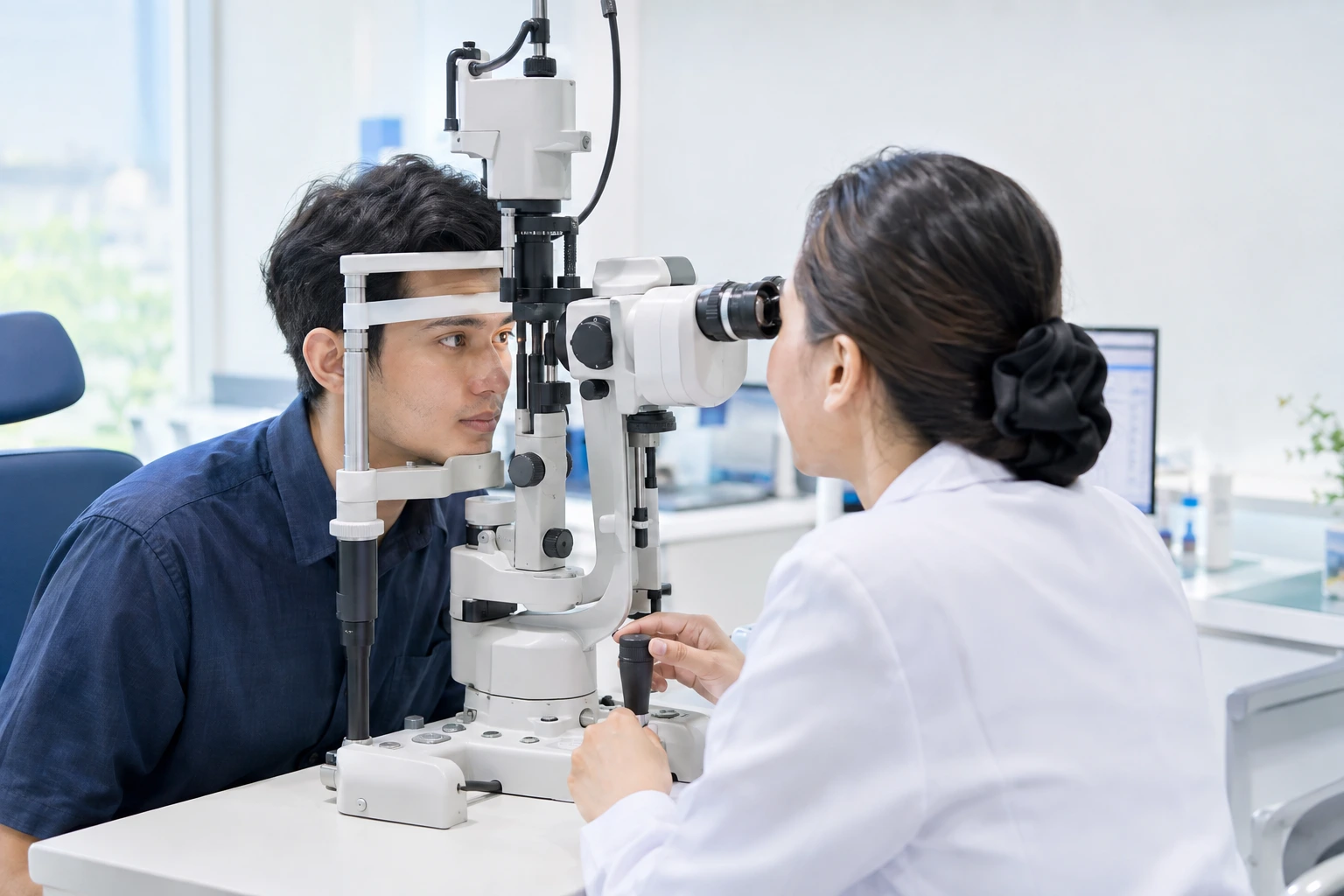
Glaucoma is detected through a comprehensive eye examination rather than by measuring eye pressure alone.
Examinations may include:
- Intraocular pressure measurement.
- Optic nerve examination.
- Visual field testing.
- Examination of the drainage angle of the eye.
- Imaging of the retina and optic nerve structures using appropriate diagnostic equipment.
These examinations help doctors determine whether there are signs of optic nerve damage and whether the changes are consistent with glaucoma.
What Is Glaucoma Screening?
Glaucoma screening involves examinations intended to help identify people who have signs or risk factors for glaucoma. Screening can be important because glaucoma may develop without noticeable symptoms.
However, a screening result indicating a risk or abnormality does not necessarily mean that a person definitely has glaucoma. Further examination and evaluation by an eye doctor are needed to establish a diagnosis.
Who Is at Risk of Developing Glaucoma?
The risk of glaucoma increases under certain circumstances.
Factors that should be considered include:
- Older age.
- Having a family member with glaucoma.
- High intraocular pressure.
- A history of certain eye injuries or surgeries.
- Use of certain steroid medications.
- Certain health conditions.
- Certain structural abnormalities of the eye.
If a person has several risk factors, a doctor may recommend more frequent eye examinations.
Can Glaucoma Cause Blindness?
Yes.
Glaucoma can cause increasingly extensive vision loss if optic nerve damage continues and is not properly managed. Vision loss caused by optic nerve damage is permanent. Therefore, the primary goals of glaucoma treatment are to preserve the vision that remains and slow or stop further damage.
Can Glaucoma Be Cured?
Optic nerve damage that has already occurred due to glaucoma generally cannot be reversed. However, glaucoma can be managed to help control the disease and preserve vision.
Treatment depends on the type and severity of glaucoma and may include eye drops, laser treatment, or surgery in certain cases.
Because glaucoma is a condition that can progress over the long term, regular monitoring is also an important part of its management.
Can Glaucoma Affect Only One Eye?
Yes.
Glaucoma can affect the right and left eyes to different degrees. Therefore, examinations should assess both eyes, even if symptoms are only noticeable in one eye.
When Should You Have an Eye Examination for Glaucoma?
An eye examination should be considered if you:
- Have a family history of glaucoma.
- Have high intraocular pressure.
- Are older.
- Experience changes in your vision.
- Have certain eye or health conditions that increase your risk.
- Use steroid medications long-term or under certain medical circumstances.
Regular eye examinations are also important because glaucoma can develop without noticeable symptoms in its early stages.
When Does Glaucoma Require Immediate Examination?
Not all forms of glaucoma develop gradually.
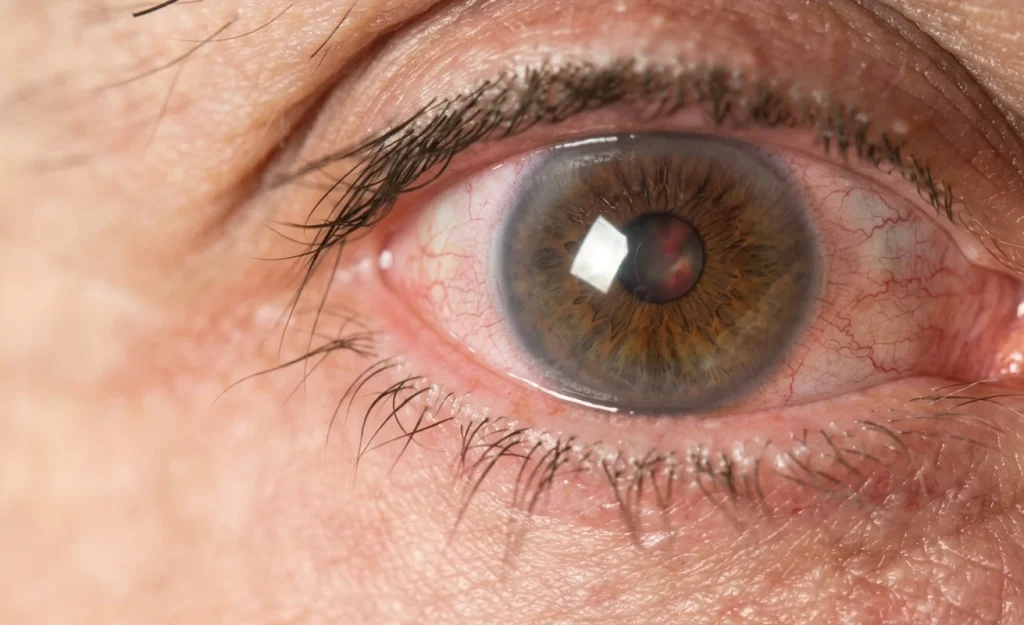
Seek immediate medical attention if you suddenly experience severe eye pain, eye redness, blurred vision, halos around lights, severe headache, nausea, or vomiting. These symptoms may occur during an acute angle-closure glaucoma attack, which requires immediate medical treatment.
FAQ About Glaucoma
Glaucoma often does not cause noticeable symptoms in its early stages. As damage progresses, peripheral vision may gradually begin to decrease.
No. High intraocular pressure is one risk factor, but diagnosing glaucoma requires an assessment of the optic nerve, visual field, and other examinations.
Optic nerve damage that has already occurred cannot be reversed, but glaucoma can be managed to slow disease progression and preserve vision.
Yes. If optic nerve damage continues to progress without appropriate treatment, glaucoma can cause severe vision loss and eventually blindness.
The best way is to undergo an eye examination. Testing may include intraocular pressure measurement, optic nerve examination, visual field testing, and other structural eye examinations as needed.
People with risk factors such as older age, a family history of glaucoma, high intraocular pressure, or certain eye conditions may require more regular examinations. An ophthalmologist can determine the appropriate examination frequency based on each person’s individual risk factors.
Conclusion
Glaucoma is an eye disease that can damage the optic nerve and cause vision loss. One of its main challenges is that glaucoma often develops without noticeable symptoms in its early stages.
High intraocular pressure can be a risk factor, but it is not sufficient to establish a diagnosis. An assessment of the optic nerve, visual field, and other eye examinations is necessary to evaluate the condition comprehensively.
Because glaucoma-related damage can be permanent, early detection and treatment are important, especially for people with risk factors.
If you have risk factors for glaucoma or experience changes in your vision, an eye examination by an ophthalmologist can help detect problems at an early stage.
Reference:
National Eye Institute – Glaucoma
American Academy of Ophthalmology – Glaucoma
World Health Organization – Blindness and vision impairment