
Glaucoma is an eye condition that causes gradual damage to the optic nerve and can lead to permanent blindness if left untreated. As it often develops without noticeable symptoms in the early stages, regular eye examinations are essential for early detection.

Understanding Glaucoma
Glaucoma is damage to the optic nerve, which plays a crucial role in transmitting visual signals from the eye to the brain. This damage is often associated with elevated intraocular pressure, although it can also occur even when eye pressure is within the normal range.
If left untreated, glaucoma can gradually narrow the field of vision and eventually lead to permanent blindness. Since optic nerve damage cannot be reversed, the main goal of glaucoma management is early detection and slowing the progression of the disease.
Why Is Glaucoma Called the “Silent Thief of Sight”?
In many patients, glaucoma develops without noticeable symptoms in its early stages. Vision loss typically begins in the peripheral (side) vision, making it difficult to detect until the disease has progressed to an advanced stage.
This is why regular eye examinations are essential, especially for individuals with certain risk factors.
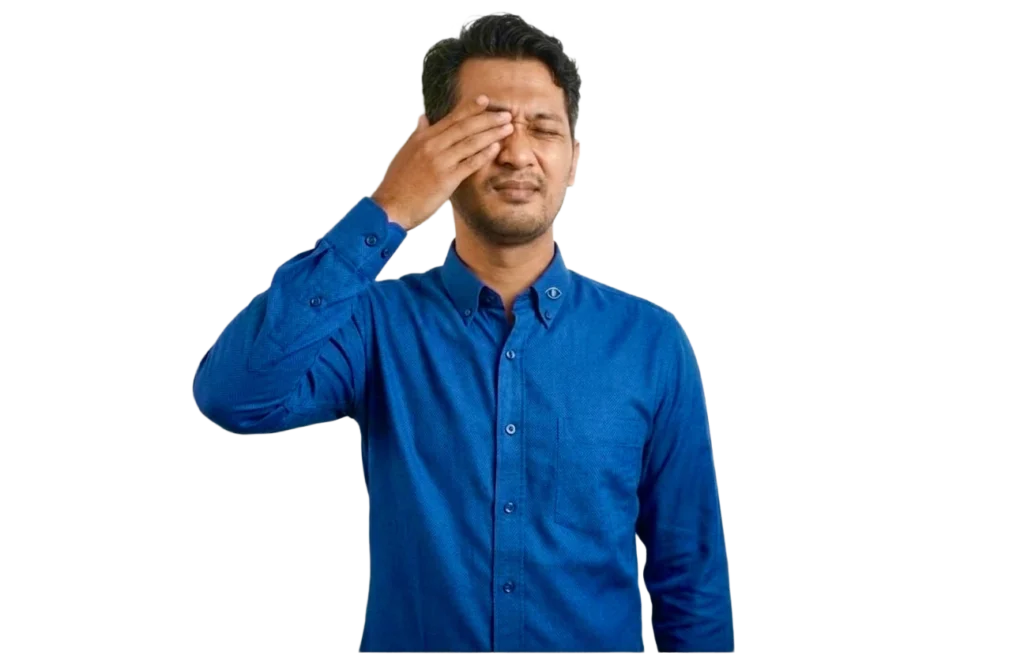
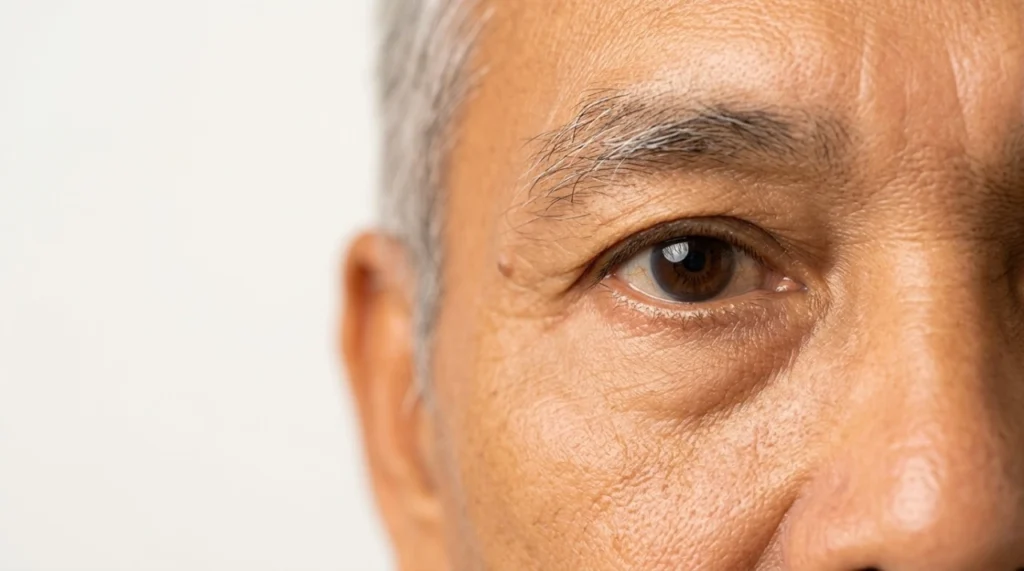

Glaucoma Diagnostic Examinations at Mayapada Eye Centre






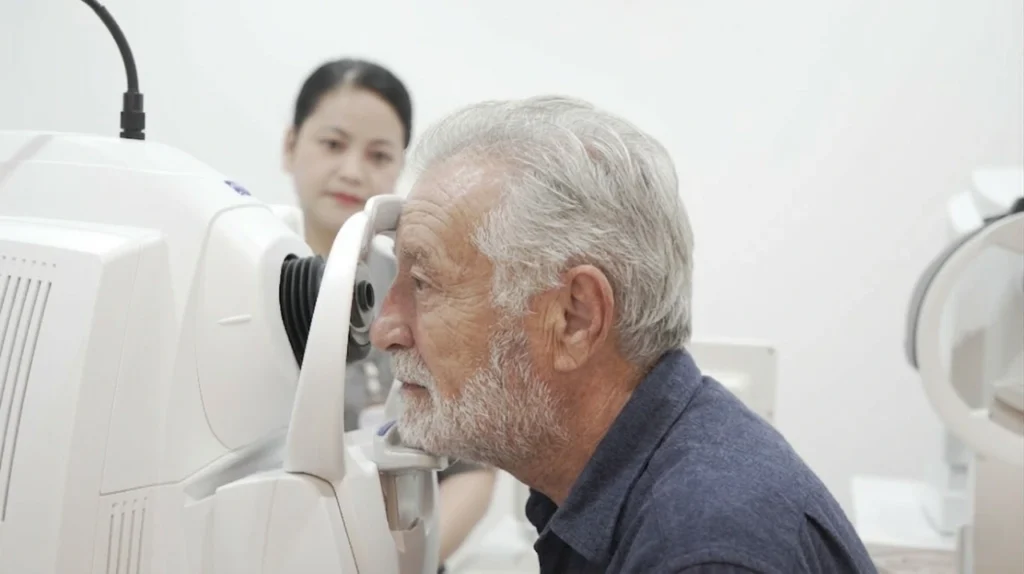
Who Should Undergo a Glaucoma Examination?
Who Is at Risk of Developing Glaucoma?
Several factors may increase the risk of glaucoma, including:

Individuals with these risk factors are advised to have regular eye examinations.
FAQ
Vision loss caused by glaucoma cannot be reversed. However, with proper treatment and regular monitoring, the progression of the disease can be slowed.
No. Most types of glaucoma develop without pain. However, angle-closure glaucoma can occur suddenly and is considered a medical emergency.
The frequency of follow-up depends on the patient’s condition, but it is typically every few months to monitor intraocular pressure and the condition of the optic nerve.

Early detection is the best way to prevent vision loss caused by glaucoma. Schedule your eye examination at Mayapada Eye Centre today.
