LASIK and cataract surgery are two common eye procedures. Although both involve surgery, they have different purposes, methods, and patient indications. Understanding these differences can help you choose the right treatment for your vision needs.
What Is LASIK?
LASIK (Laser-Assisted In Situ Keratomileusis) is a refractive eye surgery that corrects common vision problems, such as:
-
Myopia (nearsightedness)
-
Hyperopia (farsightedness)
-
Astigmatism
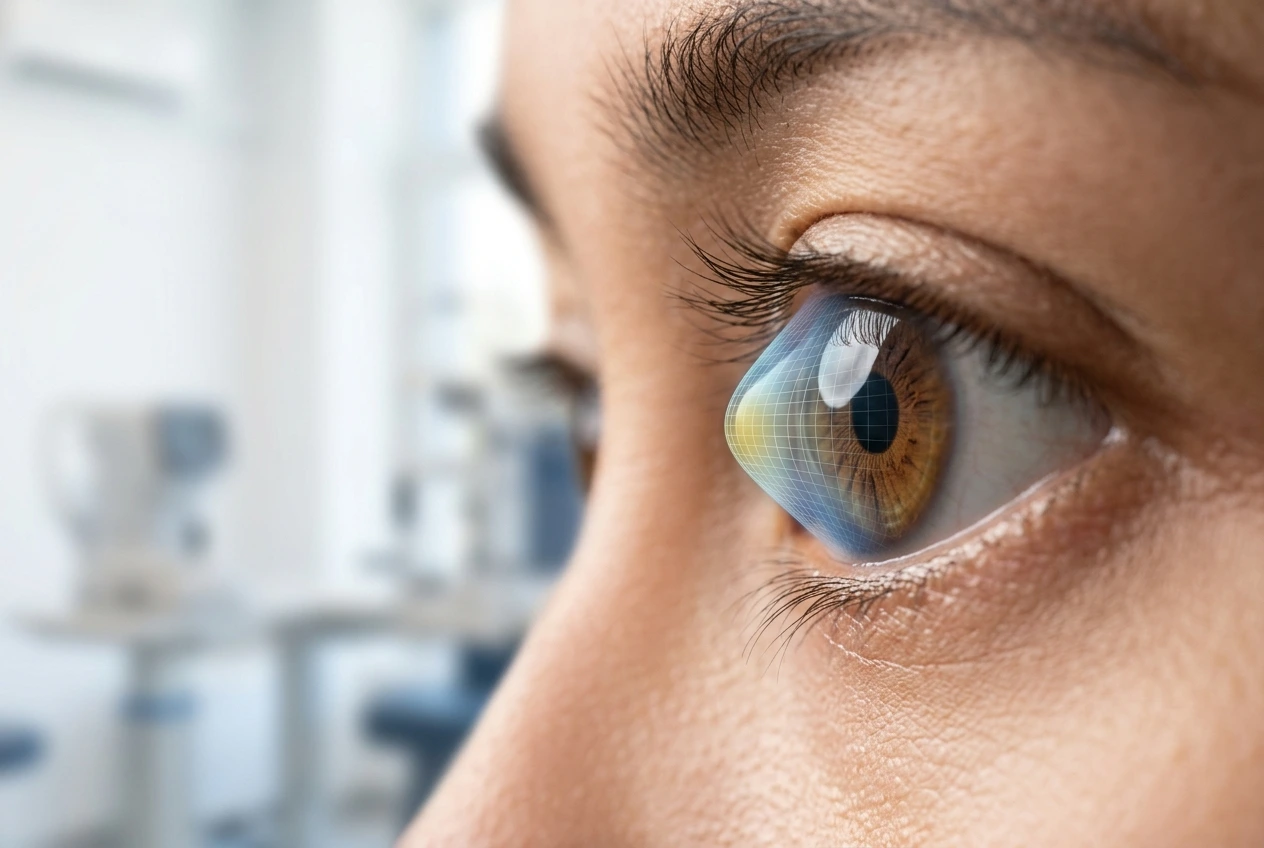
During the procedure, doctors use an excimer laser to reshape the cornea. This process helps light focus properly on the retina. As a result, patients can enjoy clearer vision without depending heavily on glasses or contact lenses.
🔹 LASIK Procedure:
The LASIK procedure usually involves the following steps:
-
The doctor creates a thin flap in the cornea using a femtosecond laser.
-
The underlying corneal tissue is reshaped with the excimer laser.
-
The flap is repositioned without stitches.
-
The procedure is quick and has a short recovery time.
🔹 LASIK Is Recommended For:
-
Patients with refractive errors (nearsightedness, farsightedness, astigmatism)
-
Individuals who want to reduce dependence on glasses or contacts
LASIK is not used to treat cataracts.
What Is Cataract Surgery?
Cataract surgery replaces a cloudy natural lens with a clear artificial intraocular lens (IOL). Cataracts usually develop as part of the aging process and can make vision blurry or cloudy.
Cataract Surgery Procedure
The procedure generally includes these steps:
- The doctor makes a small incision in the cornea.
- The cloudy lens is broken up using phacoemulsification (ultrasonic waves) and then removed.
- The doctor inserts a clear artificial lens (IOL) to restore vision.
Most patients do not need stitches, although recovery may take a few weeks.
🔹 Cataract Surgery Is Recommended For:
-
Blurred vision due to cataracts
-
Common in older adults
-
When cataracts significantly impact daily life
Comparison Table: LASIK vs Cataract Surgery
| Aspect | LASIK | Cataract Surgery |
|---|---|---|
| Purpose | Correct refractive errors | Remove cloudy natural lens |
| Method | Laser reshaping of cornea | Lens replacement with artificial IOL |
| Common Patients | Young to middle-aged adults | Generally older adults |
| Recovery Time | Fast (days) | Moderate (weeks) |
| Vision Aid Goal | Reduce need for glasses/contacts | Restore visual clarity |
When Should You See an Eye Specialist?
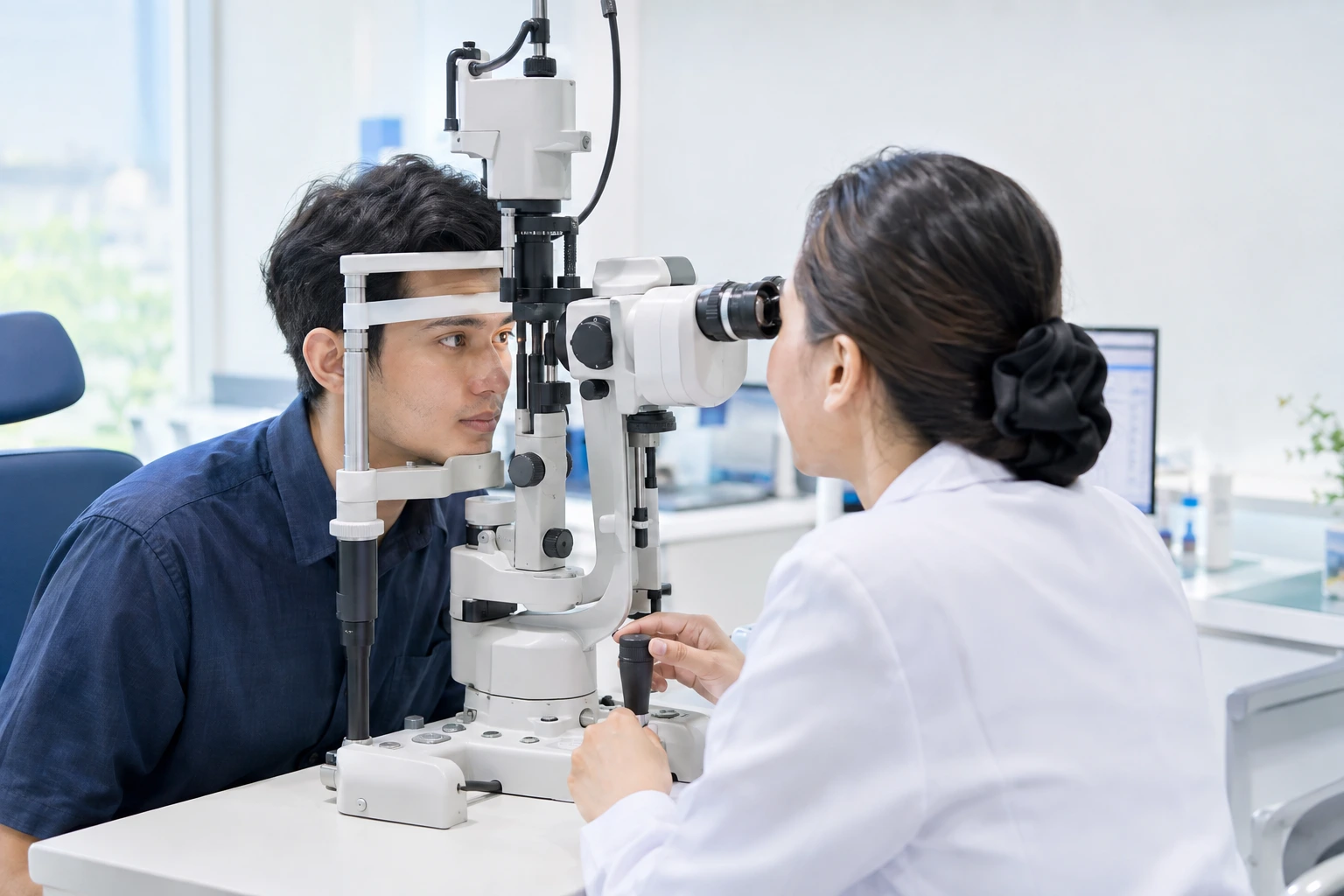
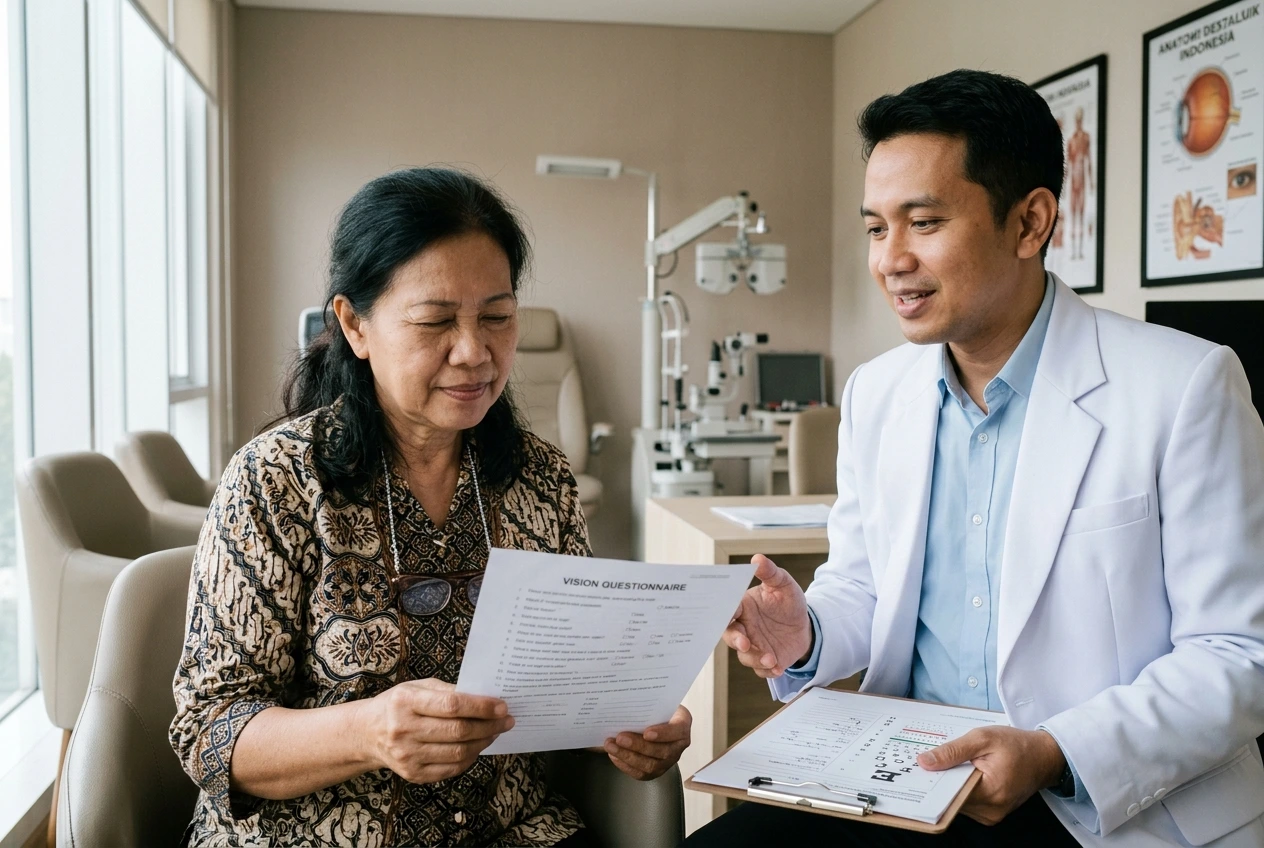
Each patient’s eye condition is unique. Consulting with a qualified ophthalmologist is the best way to determine which procedure suits your needs.
Book a Consultation at Mayapada Eye Centre
Our team of experienced eye specialists is ready to provide a thorough eye exam and personalized treatment recommendations.
Click the “Book Consultation” button at mayapadaeyecentre.com or contact us directly to schedule an appointment.