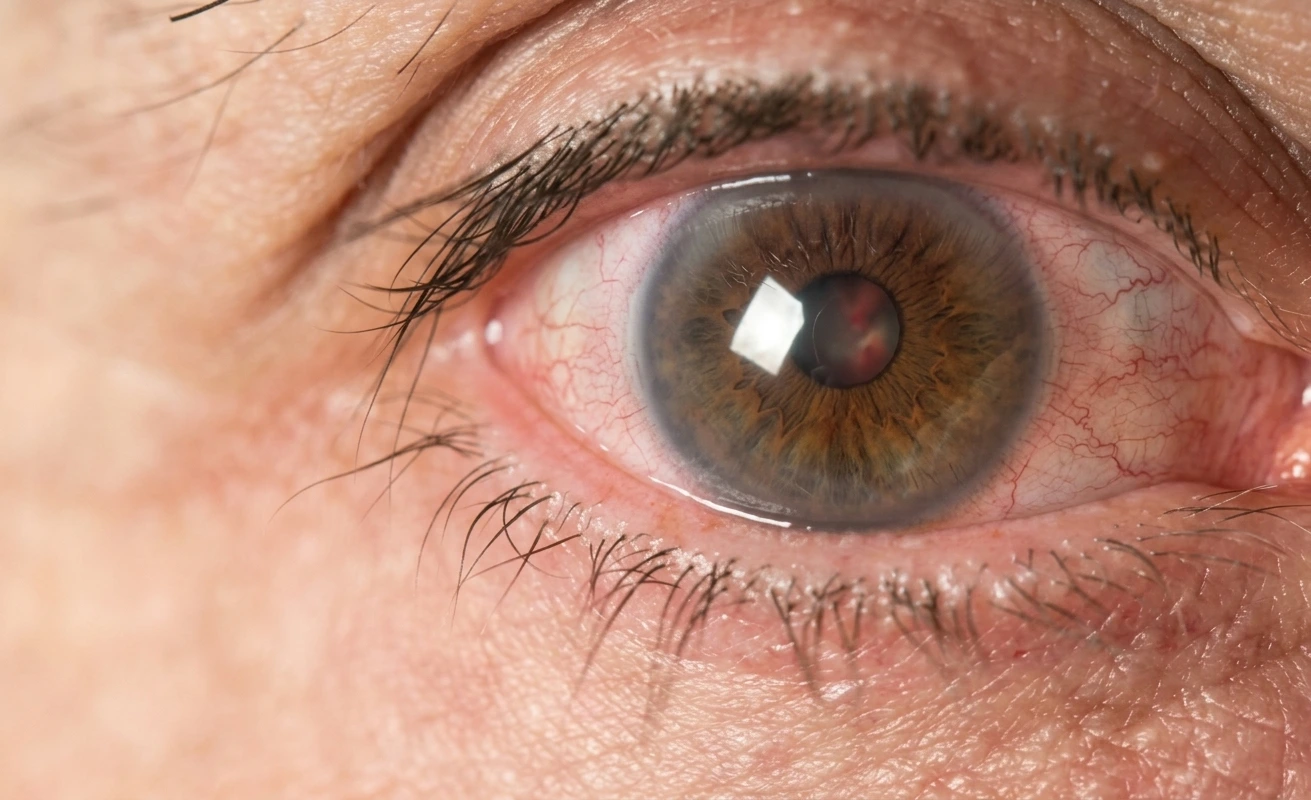
An eyelid lump is a common eye condition and is not always caused by the same problem. The two most common causes are a stye (hordeolum) and a chalazion. Although both appear as lumps on the eyelid, they have different causes, symptoms, and treatment approaches.
Most eyelid lumps are not dangerous. However, a lump that continues to enlarge, recurs frequently, or does not improve should be evaluated by an ophthalmologist.
What Causes an Eyelid Lump?
The eyelids contain oil glands that help keep the surface of the eye comfortable and healthy. When these glands become blocked or infected, an eyelid lump may develop.
The most common causes include:
- Stye (hordeolum)
- Chalazion
- Blepharitis
- Eyelid cyst
- Benign or malignant eyelid tumors (less common)
Because these conditions have different causes, they do not always require the same treatment.
What Is a Stye?
A stye (hordeolum) is an acute infection of the glands in the eyelid, most commonly caused by bacteria.
Common symptoms include:
- A painful, red lump on the eyelid
- Eyelid swelling
- Pain when blinking
- Watery eyes
- Sometimes a white, pus-filled spot
A stye usually develops over several days and is often tender to the touch.
What Is a Chalazion?
A chalazion develops when an oil gland in the eyelid becomes blocked, leading to inflammation rather than infection.
Unlike a stye, a chalazion typically:
- Causes little or no pain
- Develops more slowly
- Feels firmer
- May persist for several weeks or even months
A large chalazion may press against the cornea, causing slightly blurred vision.
Risk Factors
You may have a higher risk of developing an eyelid lump if you have:
- Blepharitis
- Rosacea
- Dry eye disease
- A history of recurrent chalazia
- Poor eyelid hygiene
- Improper contact lens hygiene
How Is an Eyelid Lump Diagnosed?
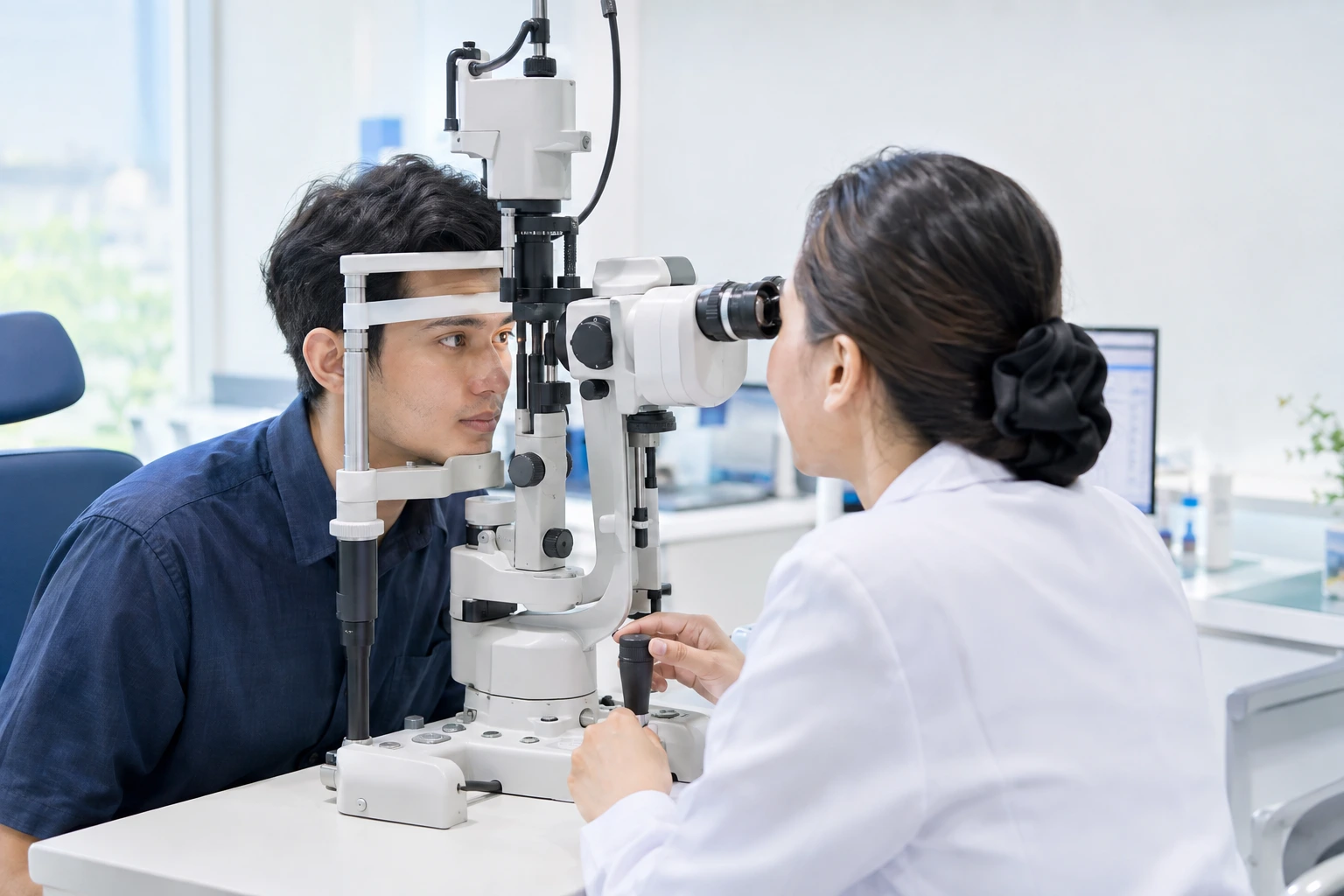
Diagnosis is usually made through a clinical examination of the eyelid.
Your ophthalmologist will evaluate:
- The location of the lump
- Its size
- Whether signs of infection are present
- The condition of the eyelid glands
- Any history of recurrence
If the lump has an unusual appearance, repeatedly occurs in the same location, or does not respond to treatment, your ophthalmologist may recommend additional evaluation to rule out other conditions, including an eyelid tumor.
How Is an Eyelid Lump Treated?
Treatment depends on the underlying cause.
In many cases, applying a warm compress several times a day can help relieve blockage of the oil glands. If signs of infection or inflammation are present, your ophthalmologist may prescribe medication based on the examination findings.
For a chalazion that persists, becomes large, or affects vision, a procedure such as incision and curettage may be considered when medically indicated.
Do not attempt to squeeze or puncture an eyelid lump yourself, as doing so may worsen inflammation and increase the risk of infection and complications.
When Should You See an Eye Doctor?
Seek medical attention if:
- The lump does not improve after several weeks
- The lump continues to grow
- The pain becomes more severe
- Your vision becomes blurred
- The lump keeps recurring
- The shape of the eyelid changes
- The lump bleeds easily or appears unusual
These symptoms require further evaluation to determine the underlying cause.
Can Eyelid Lumps Be Prevented?
The following measures may help reduce the risk of developing an eyelid lump:
- Maintain good eyelid hygiene
- Remove eye makeup before going to bed
- Wash your hands before touching your eyes
- Use contact lenses according to the recommended instructions
- Avoid squeezing or picking at eyelid lumps
FAQ about Styes and Chalazia
No. A stye is an acute bacterial infection of an eyelid gland, while a chalazion is caused by blockage of an oil gland and is not an infection.
Some chalazia may gradually shrink with the use of warm compresses. However, a chalazion that persists or becomes large should be evaluated by an ophthalmologist.
No. Squeezing an eyelid lump is not recommended because it can worsen inflammation and increase the risk of infection and complications.
A procedure may be considered if a chalazion persists, recurs frequently, becomes large, interferes with vision, or when the diagnosis remains uncertain after an ophthalmic examination.
Referensi:
American Academy of Ophthalmology. Chalazion and Hordeolum.
American Society of Ophthalmic Plastic and Reconstructive Surgery (ASOPRS). Chalazion.
Mayo Clinic. Stye (Hordeolum).
StatPearls. Chalazion.
Perry HD, Serniuk RA. Conservative Treatment of Chalazia. Ophthalmology.
Medically reviewed by: dr. Claudia Hartomuljono, Sp.M