After an examination indicates that SMILE Pro may be an appropriate option and the patient understands its benefits, risks, and alternatives, the next step is to learn how the procedure is performed. At the Treatment stage, the focus is on determining the appropriate option; this article explains what generally happens during the procedure, from preparation in the operating room to the initial examination afterward. Details may vary depending on the patient’s condition and the clinic’s protocols, so the medical team’s instructions should always be followed.
The Eyes Are Prepared Before the Laser Is Used
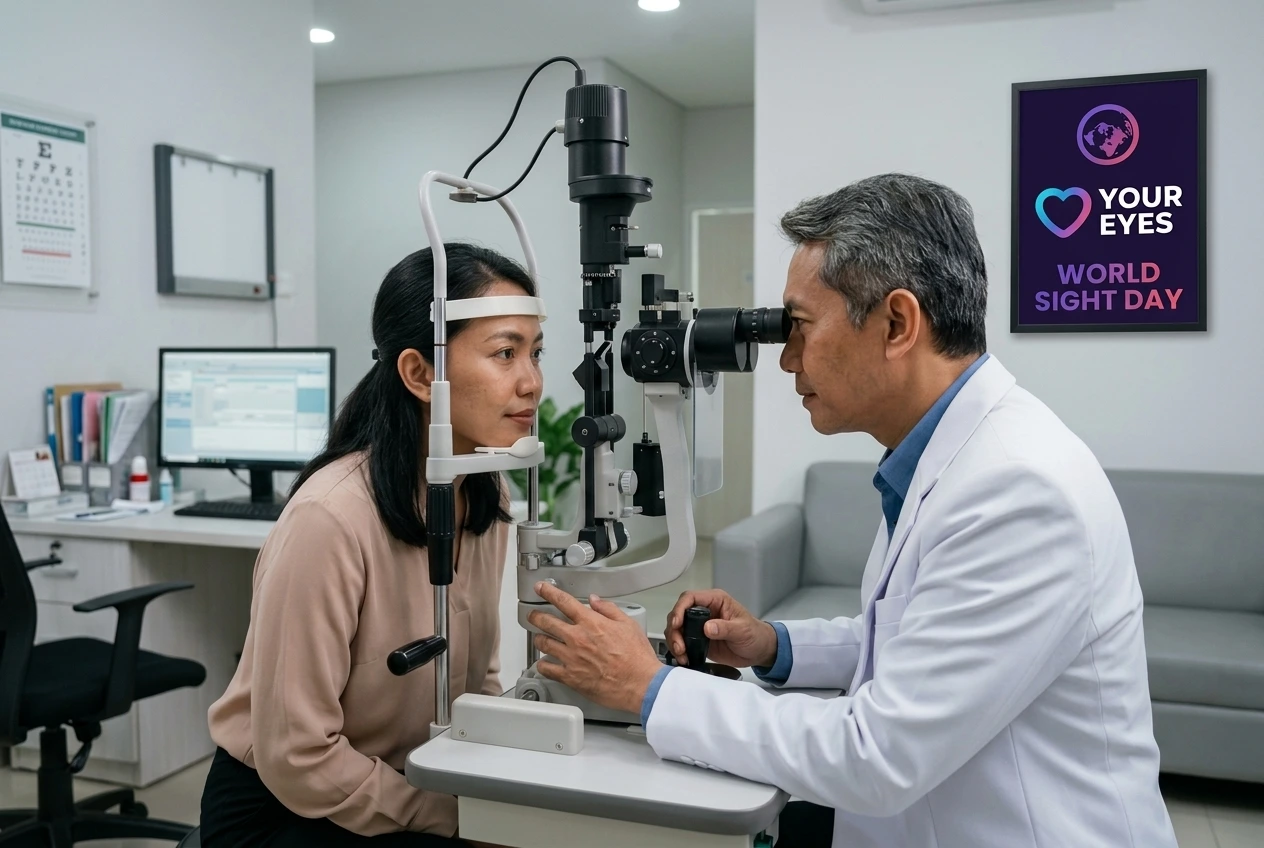
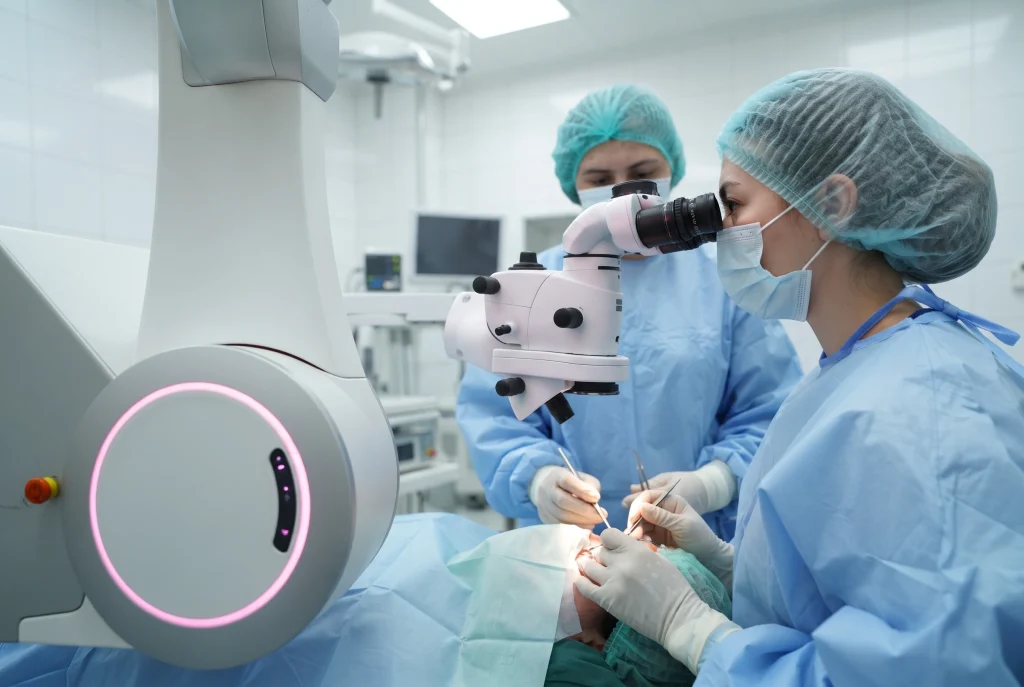
The medical team will confirm the patient’s identity, the eye to be treated, and the treatment plan based on the examination results. Anesthetic eye drops are generally used to help reduce discomfort. The patient is then positioned under the laser system, and the doctor explains the simple instructions that need to be followed during the procedure. Inform the medical team if you feel extremely anxious or experience any symptoms before the procedure begins.
The Laser Creates a Lenticule Inside the Cornea
During SMILE Pro, a femtosecond laser system creates a thin, lens-shaped piece of tissue called a lenticule inside the cornea. This tissue is created according to a treatment plan developed from the preoperative examination. During this stage, patients should try to remain calm and follow the doctor’s instructions. Technical details, including the duration of laser use, depend on the equipment and the circumstances of the procedure; specific time estimates should not be assumed to apply to every patient.
The Doctor Removes the Lenticule Through a Small Incision
Once the lenticule has been created, the doctor accesses it through a small incision, then separates and removes the tissue using specialized instruments. The resulting change in corneal shape helps correct the refractive error according to the treatment plan. Unlike LASIK, SMILE Pro does not require the creation of a corneal flap. Although the incision is small, the procedure still requires surgical expertise and careful evaluation.
What Might You Feel During the Procedure?
Patients generally remain awake and follow the medical team’s instructions. Sensations may vary from person to person. Anesthetic eye drops help reduce discomfort, but patients may notice some pressure or temporary sensations. If you experience pain, panic, or difficulty following instructions, inform the medical team using the communication method explained before the procedure. Do not make sudden movements without instructions.
What Happens After the Lenticule Is Removed?
The doctor will examine the eye after the procedure and provide initial instructions before the patient leaves the treatment room or recovery area. The clinical team will explain how to use prescribed eye drops, activity restrictions, follow-up appointments, and how to contact the clinic if any symptoms develop. Vision may not be immediately stable or comfortable, so patients should not assume they can drive themselves home right away.
How Long Does the Procedure Take?
The laser application stage may be brief, but the overall visit also includes preparation, patient positioning, a post-procedure examination, and instructions for aftercare. The duration of the procedure is not the same as the time required for vision to recover. To avoid unrealistic expectations, ask the clinic about the estimated duration of the visit and arrangements for transportation home.
SMILE Pro involves several main stages: preparing the eyes, creating the lenticule with a laser, removing the lenticule through a small incision, and then performing an examination and providing initial instructions. Understanding this sequence can help patients know what to expect, but it does not replace the doctor’s explanation of individual conditions and risks. After the procedure, the focus shifts to aftercare, monitoring symptoms, and attending follow-up appointments according to the [SMILE Pro Recovery Process] guide.
Medically reviewed by:
Last updated:
Reference:
Saad et al. (2024) – Refractive outcomes of small lenticule extraction (SMILE) Pro® with a 2 MHz femtosecond laser.
Small incision lenticule extraction (SMILE) techniques: patient selection and perspectives.