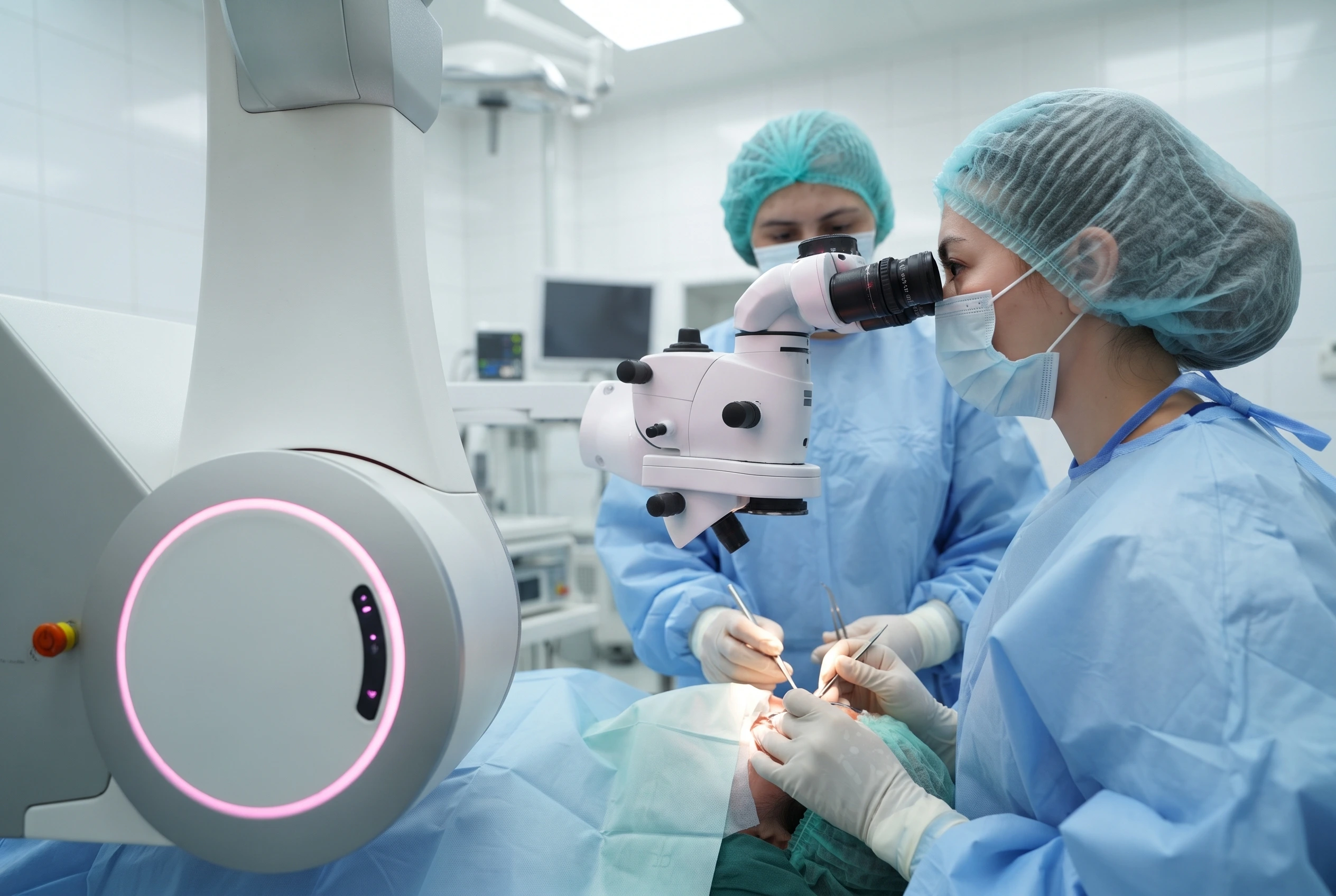
After undergoing SMILE Pro, some patients notice changes in their vision within a relatively short period. However, the clarity and stability of vision can vary from person to person. Postoperative care, attending scheduled follow-up appointments, and following the doctor’s instructions remain important, even when vision begins to improve.
What Might You Experience After the Procedure?
During the initial recovery period, some patients may experience blurred or fluctuating vision, dry eyes or a gritty sensation, glare, halos around lights, or light sensitivity. Symptoms may change throughout recovery. Do not assume that all symptoms are necessarily normal; contact your clinic if symptoms worsen, become severe, or cause concern.
How Should You Care for Your Eyes at Home?
- Use eye drops only as prescribed and instructed by your doctor. Do not increase, stop, or change any medication without consulting your doctor.
- Avoid rubbing or putting pressure on your eyes for the period specified by your doctor.
- Follow the clinic’s instructions regarding water exposure, hygiene, eye makeup, and eye protection, if recommended.
- Take breaks when using digital screens if your eyes feel dry or become tired quickly.
- Avoid dusty or smoky environments and activities that pose a risk of eye injury for the period specified by your doctor.
- Attend scheduled follow-up appointments, even when your vision seems to have improved.
When Can You Return to Work and Daily Activities?
The timing of your return to work depends on visual comfort, the type of work you do, exposure to dust or irritants, and your doctor’s advice. You may need to take breaks when using digital screens. Strenuous exercise, swimming, and sports that involve a risk of impact should be postponed according to the clinic’s instructions. Do not treat general recovery timelines as clearance to drive or resume all activities. Ask your doctor for guidance based on your individual eye condition.
Why Are Follow-Up Appointments Still Necessary?
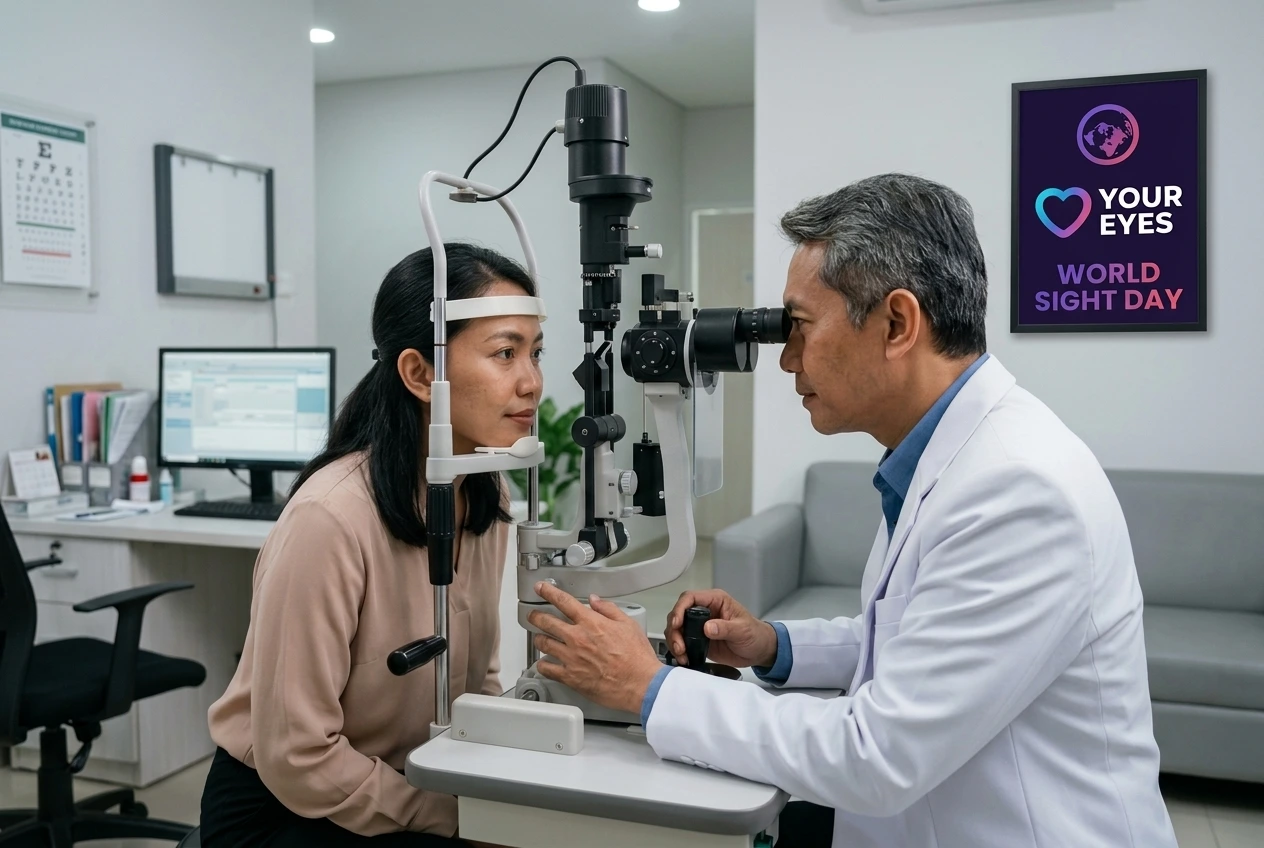
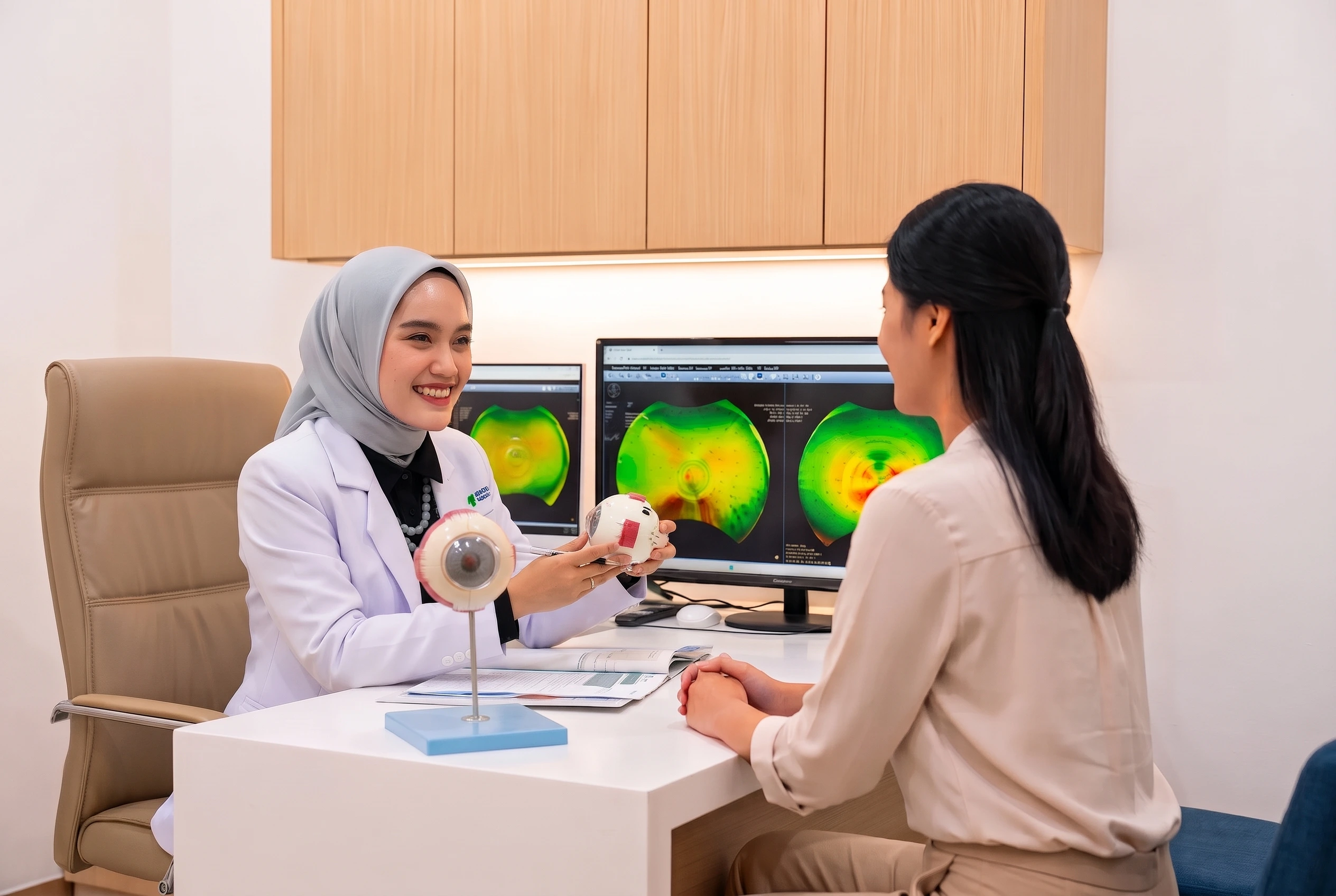
Follow-up appointments help your doctor monitor recovery, examine your eyes, and adjust instructions if needed. Keep a record of any symptoms or changes in vision to discuss during your visit. If you cannot attend an appointment as scheduled, contact the clinic to determine the next steps rather than deciding on your own that further examinations are no longer necessary.
When Should You Contact Your Doctor?
Contact your doctor or an eye care service immediately if you experience severe or increasing pain, sudden vision loss or deterioration, worsening redness, unusual discharge, or any new symptoms that cause concern. Do not wait until your next scheduled follow-up appointment if you experience sudden changes. This list does not replace the emergency instructions provided by your doctor.
Recovery after SMILE Pro should be monitored individually. Follow your doctor’s prescriptions, activity restrictions, and follow-up schedule, and seek medical assistance if concerning symptoms develop. After the initial recovery period, continue adopting long-term habits that support eye health by following our guide, [How to Maintain Eye Health After SMILE Pro].
Medically reviewed by:
Last updated:
Referensi:
European Society of Cataract and Refractive Surgeons (ESCRS) – Recommendations for Refractive Surgery.
Saad et al. (2024) – Refractive outcomes of small lenticule extraction (SMILE) Pro® with a 2 MHz femtosecond laser.