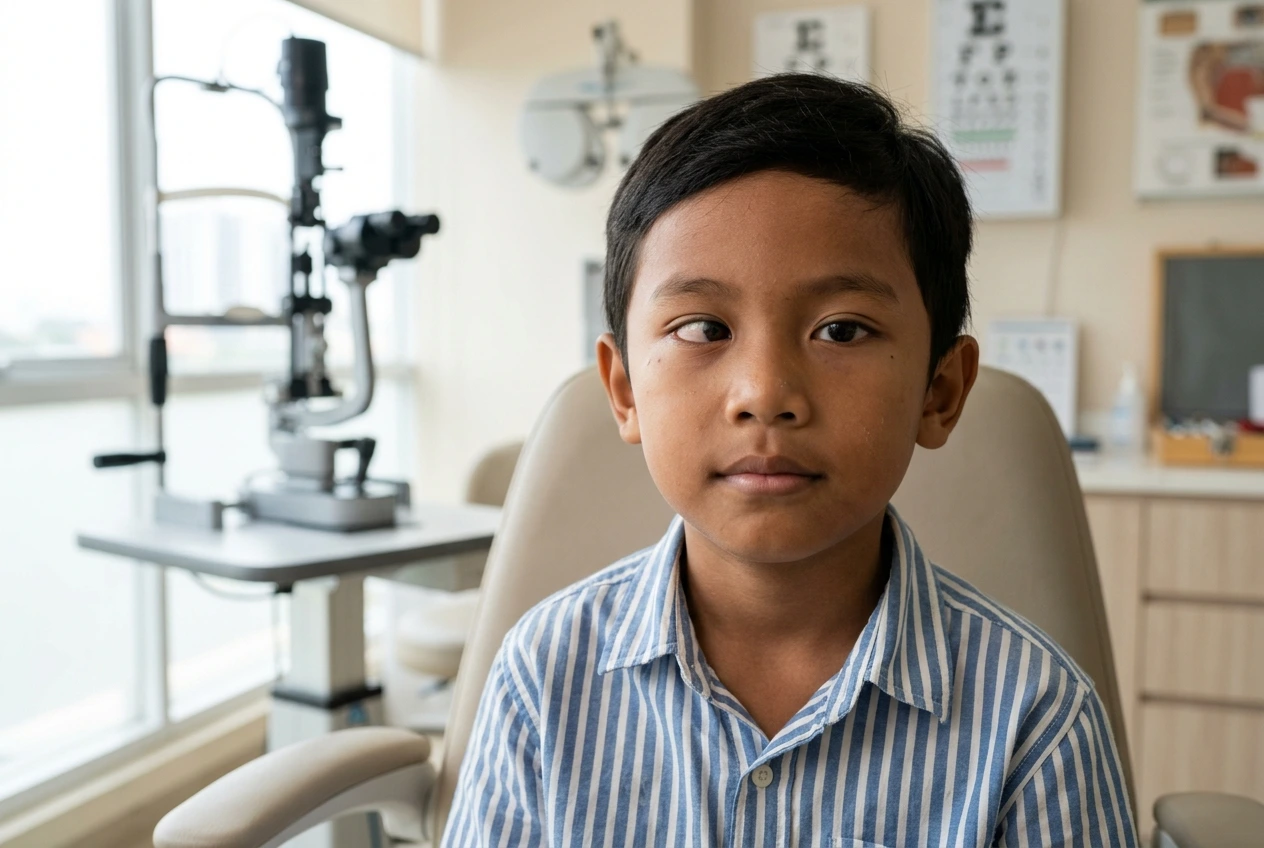
Eye herpes is an eye infection caused by the herpes simplex virus (HSV), most commonly HSV-1. The infection can affect the eyelids, conjunctiva, and cornea. When it involves the cornea (herpes simplex keratitis), it can lead to corneal scarring and increase the risk of permanent vision impairment if not treated appropriately.
Eye herpes does not always cause blindness. However, recurrent infections or delayed treatment can damage the cornea and affect vision quality.
What Is Eye Herpes?
Eye herpes is an infection caused by the herpes simplex virus that affects the tissues of the eye.
The virus is the same one that commonly causes cold sores on the lips. After the initial infection, the virus can remain dormant in the body and reactivate at any time. When reactivation occurs, the infection may recur in the eye. As a result, some patients experience eye herpes more than once.
What Causes Eye Herpes?
Most cases of eye herpes are caused by Herpes Simplex Virus Type 1 (HSV-1).
The virus can affect several parts of the eye, including:
- Eyelids
- Conjunctiva
- Cornea
- The inside of the eye under certain conditions
Viral reactivation may be triggered by several factors, including:
- A weakened immune system
- Fever or other infections
- Stress
- Excessive exposure to ultraviolet (UV) light
- The use of medications that affect the immune system under certain conditions
In many cases, the exact cause of recurrence cannot be identified.
Symptoms of Eye Herpes
The symptoms of eye herpes vary depending on the part of the eye affected.
Common symptoms include:
- Red eye
- Eye pain or discomfort
- Excessive tearing
- Light sensitivity (photophobia)
- Blurred vision
- A sensation of something being stuck in the eye
- Swollen eyelids
- Sores or blisters around the eyelids in some cases
If the infection affects the cornea, vision-related symptoms are usually more noticeable than when only the eyelids are involved.
Is Eye Herpes Contagious?
The herpes simplex virus can spread through direct contact with infected fluids or sores containing the virus.
Maintaining good hand hygiene and avoiding the sharing of towels, eye cosmetics, or contact lenses can help reduce the risk of transmission. If you have an active infection, avoid touching the affected eye and then touching your other eye or other parts of your body without washing your hands.
Complications of Eye Herpes
Untreated eye herpes can lead to complications, particularly when the cornea is involved.
Possible complications include:
- Corneal ulcers
- Corneal scarring
- Reduced visual acuity
- Recurrent infections
- Deeper inflammation inside the eye
The American Academy of Ophthalmology identifies herpes simplex keratitis as one of the leading infectious causes of corneal blindness worldwide.
How Do Eye Doctors Diagnose Eye Herpes?
Diagnosis is not based solely on the presence of a red eye.
An ophthalmologist will evaluate:
- Your medical history and symptoms
- Visual acuity
- The condition of the cornea using a slit lamp examination
- The pattern of corneal lesions
- History of recurrent infections
In certain situations, laboratory tests or additional diagnostic examinations may be considered if the diagnosis remains uncertain.
How Is Eye Herpes Treated?
Treatment depends on the part of the eye affected and the severity of the infection. Your ophthalmologist may prescribe antiviral medication when medically indicated.
In certain cases, additional medications may be prescribed to reduce inflammation or support the healing process. Medications—especially steroid-containing eye drops—should never be used without medical evaluation, as they may worsen certain types of herpes eye infections when used inappropriately.
Can Eye Herpes Be Completely Cured?
The active infection can improve with appropriate treatment. However, the herpes simplex virus remains in the body, meaning the infection may recur in the future.
For this reason, patients who have experienced eye herpes should recognize the early signs of recurrence and seek prompt medical attention if symptoms return.
When Should You See an Eye Doctor Immediately?
Seek prompt medical attention if you experience:
- Red eye accompanied by pain
- Blurred vision
- Light sensitivity
- Persistent watery eyes
- Sores or blisters around the eye
- A recurrence of previous eye herpes
- Red, painful eyes while wearing contact lenses
The earlier eye herpes is treated, the greater the chance of preventing corneal damage and complications.
How to Reduce the Risk of Recurrence
Although not all recurrences can be prevented, the following measures may help maintain good eye health:
- Practice good hand hygiene
- Avoid rubbing your eyes
- Use contact lenses according to instructions
- Manage medical conditions that affect the immune system
- Have your eyes examined promptly if symptoms return
Don’t Assume Every Red Eye Is Conjunctivitis
Eye herpes can cause symptoms similar to those of common eye infections. However, when the infection affects the cornea, it can potentially impair vision if treatment is delayed.
If you experience red eyes accompanied by pain, light sensitivity, or blurred vision, consult an ophthalmologist promptly to determine the cause and receive appropriate treatment.
FAQ About Eye Herpes
An active eye herpes infection can improve with appropriate treatment. However, the herpes simplex virus remains in the body and may reactivate in the future. The primary goal of treatment is to control inflammation and minimize viral reactivation to prevent complications that could impair vision. Patients can become symptom-free when they receive prompt and appropriate care.
Not always. However, recurrent herpes infections involving the cornea can cause corneal scarring, which may impair vision.
The herpes simplex virus can spread through direct contact with infected fluids or sores containing the virus, particularly when blisters are present on the skin around the eyelids or when eye discharge is present. Maintaining good hand hygiene can help reduce the risk of transmission.
Contact lenses should be avoided while active inflammation affects the cornea. Once the inflammation has resolved, further evaluation is necessary before resuming contact lens wear.
Interestingly, in cases where permanent corneal scarring has caused reduced vision, rigid gas permeable (RGP) contact lenses may provide better visual rehabilitation than soft contact lenses. Determining the most appropriate contact lens option for patients with a history of eye herpes requires consultation with an ophthalmologist specializing in refraction and contact lenses.
Reference:
American Academy of Ophthalmology. Herpes Simplex Virus Keratitis.
Centers for Disease Control and Prevention (CDC). Herpes Simplex Virus (HSV).
European Society of Clinical Microbiology and Infectious Diseases (ESCMID). Guidelines for Herpes Simplex Keratitis.
Farooq AV, Shukla D. Herpes Simplex Epithelial and Stromal Keratitis: An Epidemiologic Update. Survey of Ophthalmology.
Ting DSJ, et al. Herpes Simplex Keratitis: Current Update. Clinical Ophthalmology.
Medically reviewed by: dr. Ikhwanuliman Putera, Sp.M, Ph.D