Nearsightedness, or myopia, is a vision condition that can affect children. It makes it difficult for them to see distant objects clearly, such as writing on a classroom board, road signs, or objects far away. In some children, myopia may also progress as they grow.
In addition to eyeglasses, there is a vision correction method known as Orthokeratology (Ortho-K). This method uses specially designed contact lenses worn during sleep to temporarily reshape the cornea. After the lenses are removed in the morning, children may be able to see more clearly without wearing eyeglasses throughout the day, depending on their examination results and how their eyes respond to the treatment.
However, parents may have several questions before considering this method. Is Ortho-K safe for children? Do the results last throughout the day? What happens if a child stops using it?
What Is Ortho-K?
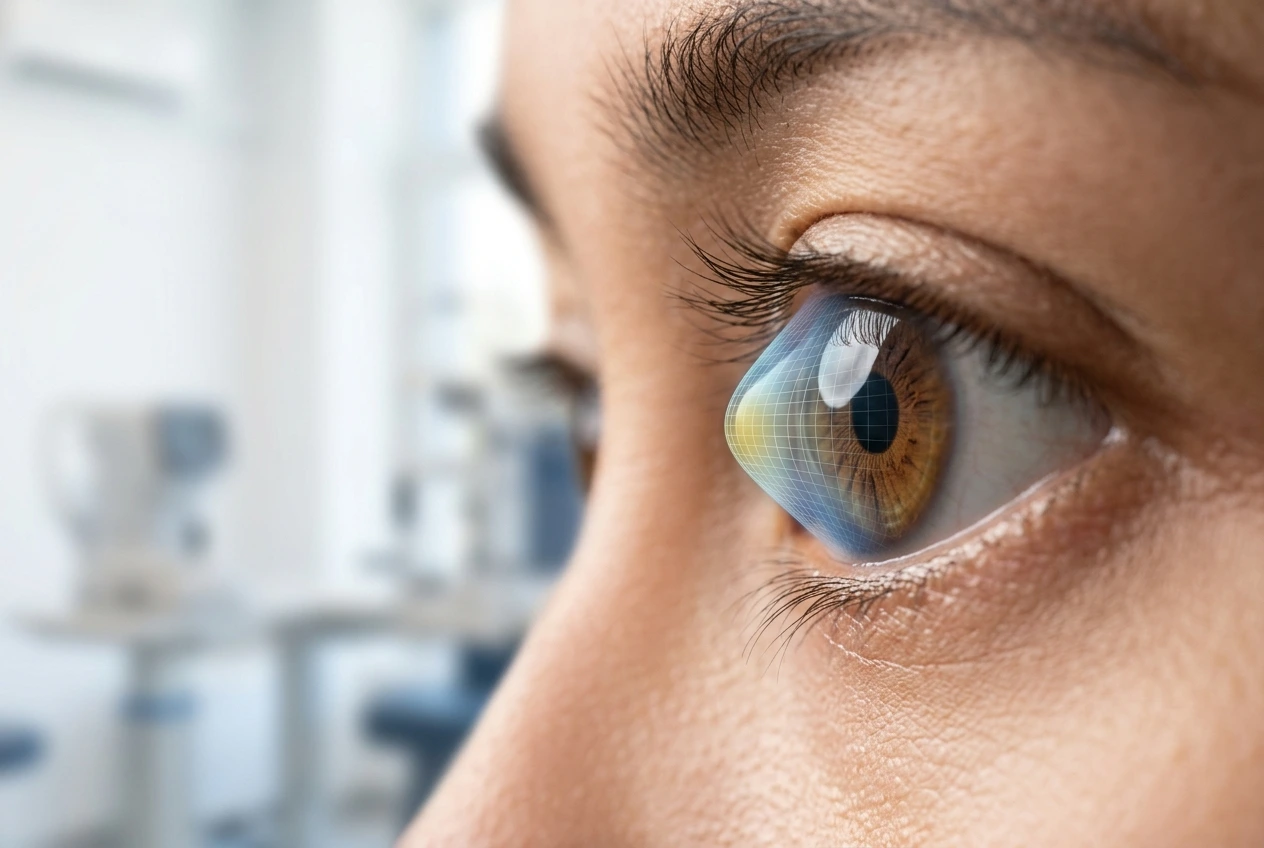
Orthokeratology, or Ortho-K, is a vision correction method that uses specially designed rigid contact lenses intended to be worn while sleeping. These lenses help reshape the cornea, the clear front surface of the eye, allowing light to be focused more accurately.
For children with myopia, Ortho-K can help correct their vision during daytime activities without the need to wear eyeglasses or contact lenses. However, this corrective effect is temporary, so the lenses must be worn regularly according to the doctor’s instructions to maintain the results.
How Does Ortho-K Work in Children’s Eyes?
Ortho-K works by controlled reshaping of the corneal surface through the pressure and distribution of the tear film between the lens and the cornea. This change in corneal shape helps correct the way light is focused, allowing distant objects to appear clearer.
In general, the Ortho-K process involves several stages:
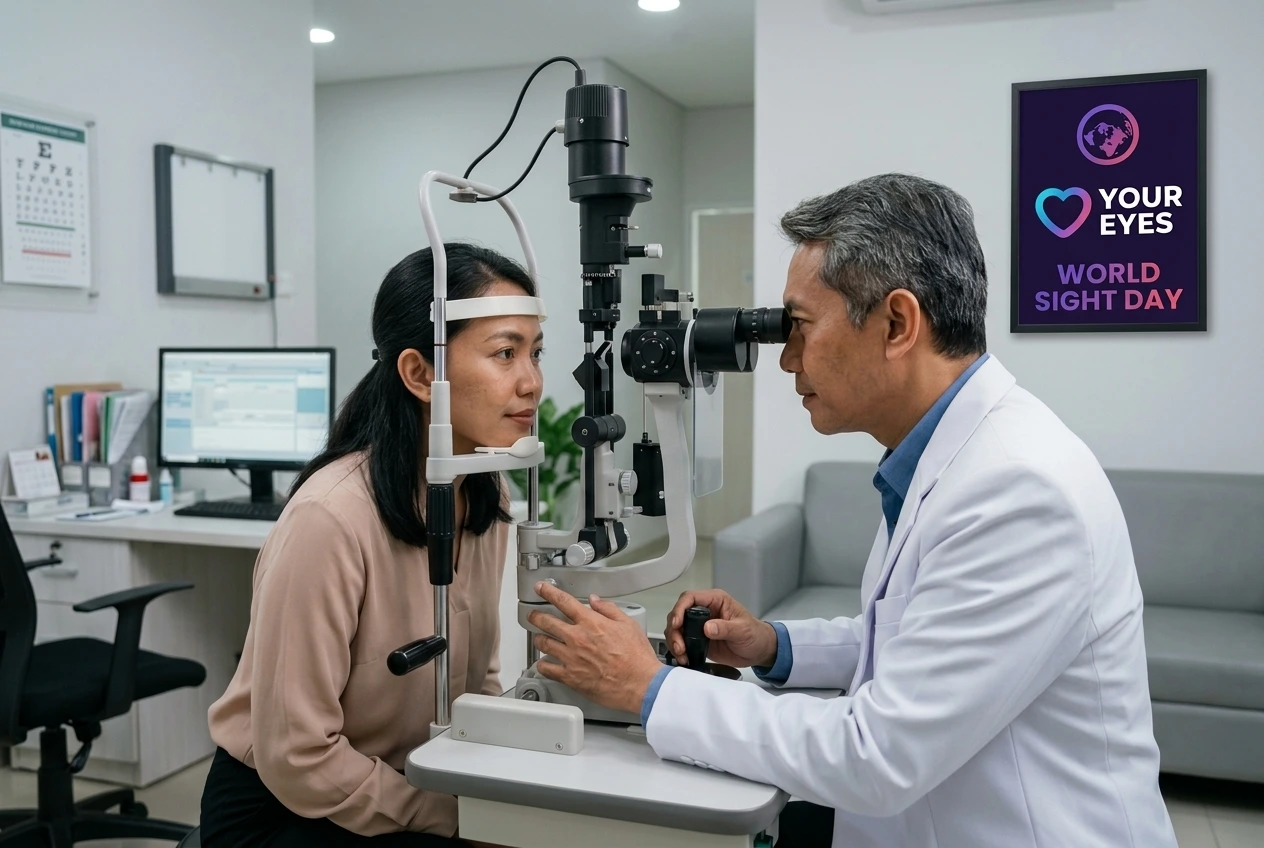
- Eye examination: The doctor evaluates the child’s vision, degree of myopia, corneal health, and other factors to determine whether the child is a suitable candidate for Ortho-K.
- Lens measurement and selection: The lenses are designed or selected based on the shape of the cornea and the individual vision correction needs of the child.
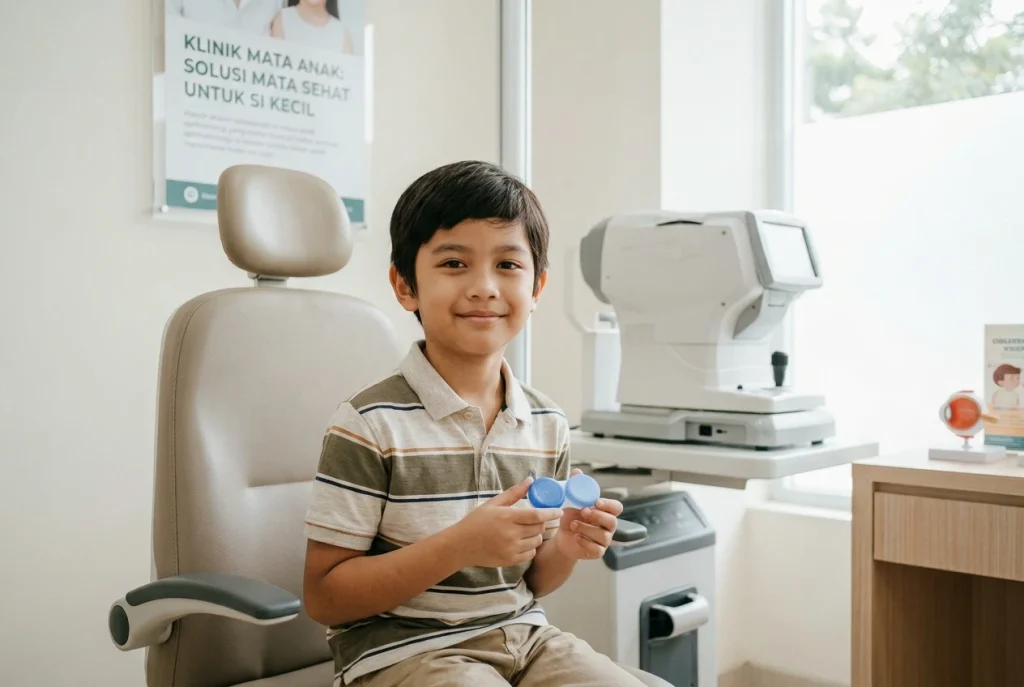
- Adjustment and training: The child and parents receive instructions on how to insert, remove, clean, and store the lenses.
- Overnight wear: The lenses are worn according to the schedule determined by the doctor, usually every night.
- Follow-up evaluations: The doctor regularly assesses the corneal response, visual acuity, comfort, and any potential side effects.
Is Ortho-K Safe for Children?
Ortho-K can be an option for correcting myopia in children who meet the examination criteria and can follow lens care and wear instructions consistently. However, Ortho-K is not risk-free because the lenses are worn during sleep and come into direct contact with the surface of the eye.
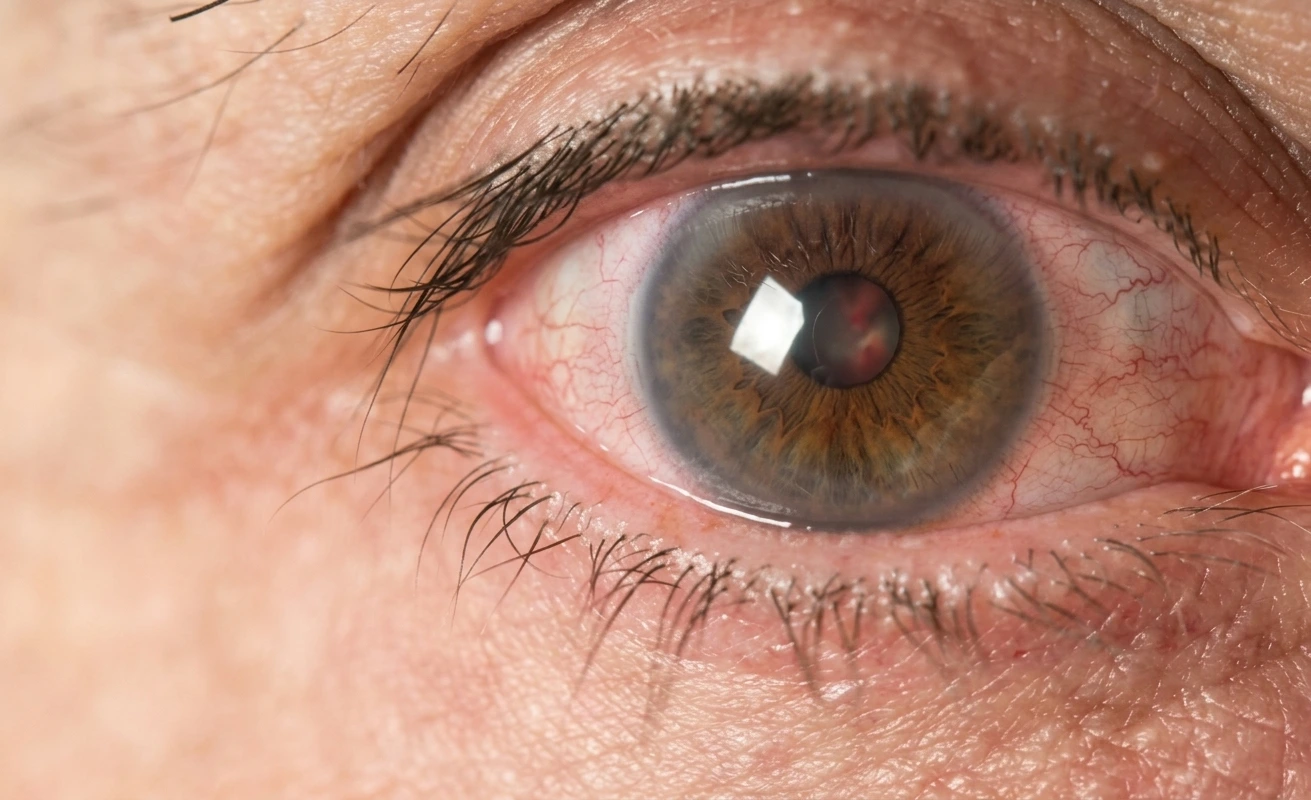
One important risk to be aware of is corneal infection, also known as microbial keratitis. This condition can cause eye pain, redness, light sensitivity, and impaired vision. In severe cases, a corneal infection may result in permanent vision damage.
The safety of Ortho-K in children depends not only on the type of lenses used but also on several other factors:
- How well the lenses fit the child’s eyes.
- Hand hygiene before handling the lenses.
- Proper lens cleaning and storage.
- Adherence to the prescribed wearing schedule.
- The ability of the child and parents to recognize signs of irritation or infection.
- Regular eye examinations and monitoring by a doctor.
What Are the Benefits of Ortho-K for Children?
Ortho-K offers several potential benefits that parents may wish to consider, particularly for children with myopia.
- Helps children see more clearly during the dayOne of the benefits of Ortho-K is that it helps correct distance vision after the lenses are removed in the morning.
- Helps manage myopia progressionOrtho-K is used not only to help correct vision but also to help slow the progression of myopia in children.
- Provides flexibility during daily activitiesFor some children, eyeglasses may feel less practical when playing sports or participating in certain activities. Ortho-K can be an alternative because the lenses are removed after sleeping, meaning children do not need to wear contact lenses during daytime activities.
How Long Do Ortho-K Results Last?
The duration of Ortho-K results is an important consideration for parents before their child begins using the lenses.
The vision correction provided by Ortho-K is temporary and is generally intended to help maintain clear vision during daytime activities after overnight lens wear. In children who respond well to treatment, the effects may last for most or all of the day. However, the duration varies from person to person.
FAQ About Ortho-K for Children
No. Ortho-K temporarily corrects vision and may help slow myopia progression in some children. It does not permanently eliminate myopia or guarantee that the degree of nearsightedness will stop increasing.
Eye pain, significant redness, light sensitivity, sudden blurred vision, or unusual eye discharge should be evaluated promptly. Stop using the lenses and contact an eye doctor for further guidance.
Conclusion
Ortho-K is one option for correcting vision in children with myopia while also helping slow myopia progression in some users. These specially designed lenses are worn during sleep and temporarily reshape the cornea, allowing children to see more clearly during the day without eyeglasses, depending on the results achieved.
The effects of Ortho-K are not permanent. The corrective benefits must be maintained through lens use according to the doctor’s instructions. When lens use is discontinued, the changes in corneal shape gradually diminish, and blurred vision may return. The duration of the effects varies from child to child.
Would you like to learn more about the vision correction options available for your child? Schedule an eye examination at Mayapada Eye Centre to receive an evaluation and recommendations tailored to your child’s eye condition.
Reference:
American Academy of Ophthalmology (AAO). Use of Orthokeratology for the Prevention of Myopic Progression in Children.
The Safety of Orthokeratology in Myopic Children and Analysis of Related Factors. PubMed.
Effects of Long-Term Wear and Discontinuation of Orthokeratology Lenses on the Eyeball Parameters in Children with Myopia.