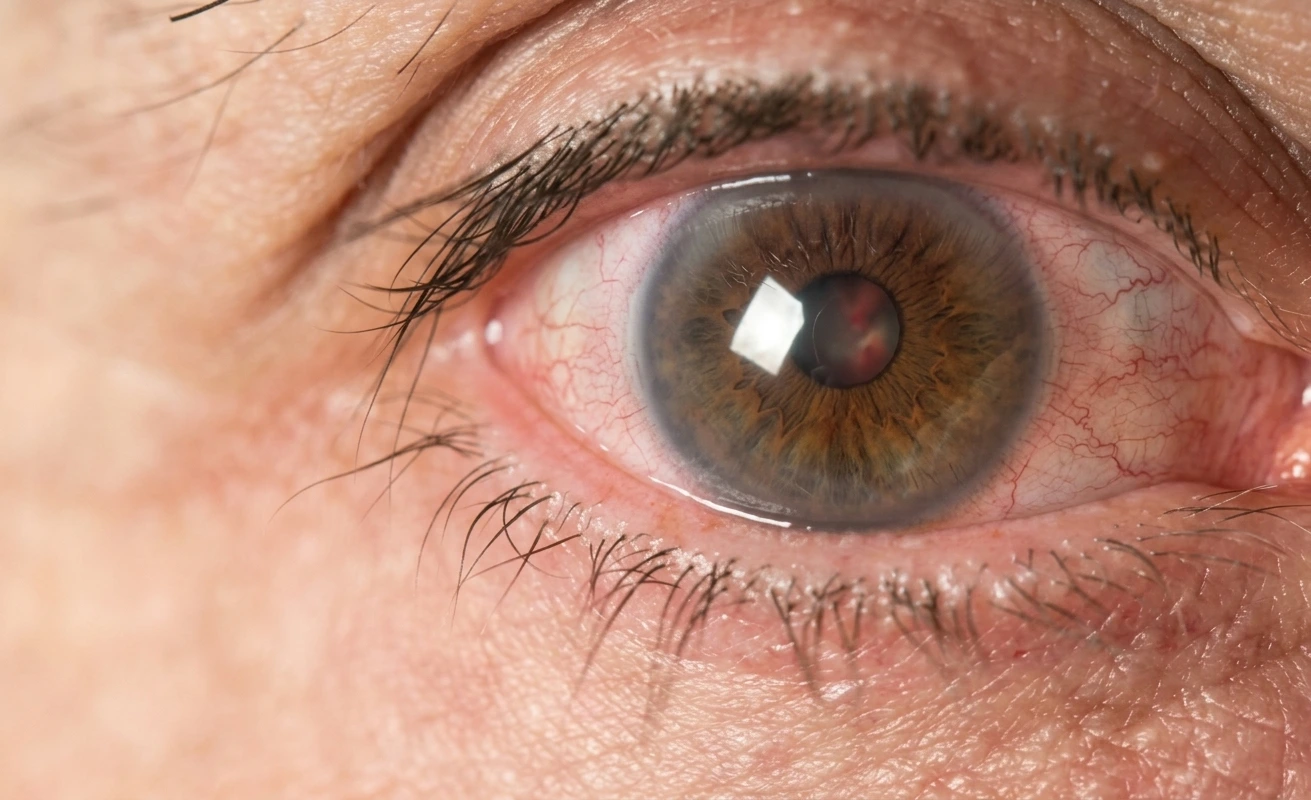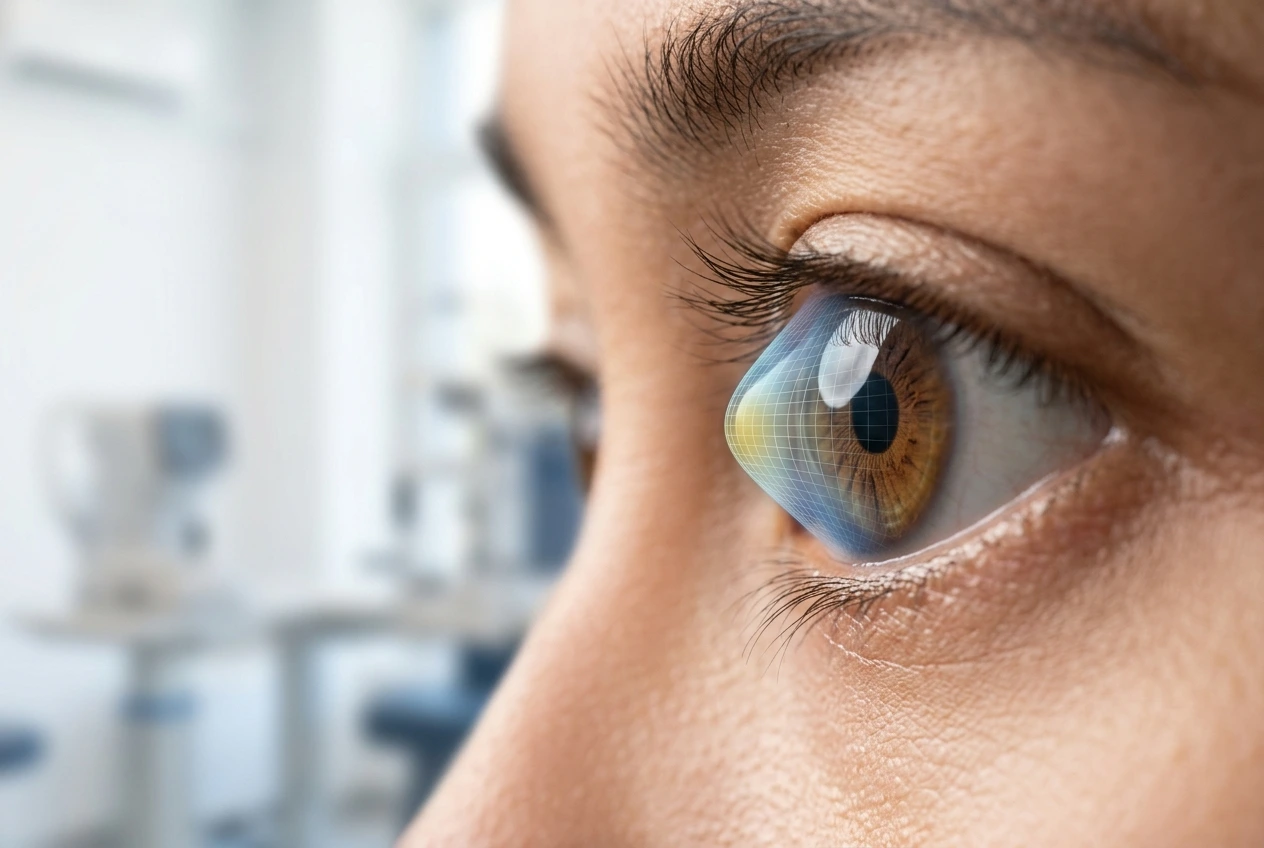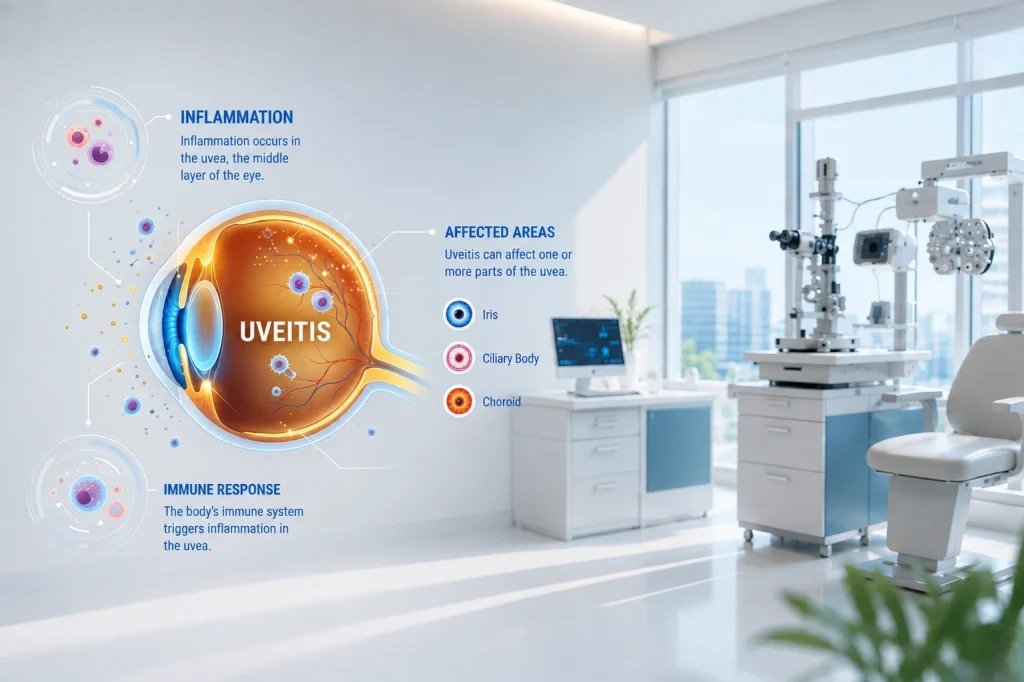
Uveitis is inflammation of the uvea, the middle layer of the eye that consists of the iris, ciliary body, and choroid. This condition may be caused by infections, autoimmune diseases, or unknown factors. If left untreated, uveitis can lead to serious complications, including permanent vision loss.
Although it is less common than conjunctivitis or dry eye disease, uveitis is an important cause of vision impairment that requires prompt medical attention because it can affect people of all ages.
What Is Uveitis?
The uvea is a highly vascular layer of the eye that supplies nutrients to various ocular structures. Inflammation of this layer is known as uveitis.
Based on the location of inflammation, uveitis is classified into:
- Anterior uveitis (iris)
- Intermediate uveitis
- Posterior uveitis
- Panuveitis (involving nearly the entire uvea)
The location of inflammation influences the symptoms, examination findings, and treatment approach.
Symptoms of Uveitis
Symptoms may develop suddenly or gradually.
The most common symptoms include:
- Red eye
- Eye pain
- Sensitivity to light (photophobia)
- Blurred vision
- Floaters (dark spots or specks drifting across the vision)
- Reduced visual acuity
In some cases, particularly posterior uveitis, the eye may not appear red despite ongoing inflammation.
What Causes Uveitis?
- Autoimmune Diseases
One of the leading causes of uveitis is autoimmune disease.
Autoimmune conditions that may be associated with uveitis include:
- Rheumatoid arthritis
- Ankylosing spondylitis
- Psoriatic arthritis
- Juvenile idiopathic arthritis
- Behçet’s disease
- Sarcoidosis
2. Infections
Uveitis may also be caused by various infections, including:
- Herpes simplex
- Herpes zoster
- Tuberculosis (TB)
- Toxoplasmosis
- Syphilis
- Cytomegalovirus (CMV)
Because the underlying causes vary, an ophthalmologist must determine whether the uveitis is infectious or non-infectious before selecting the appropriate treatment.
It is important to note that both infectious uveitis (including tuberculosis or toxoplasmosis) and non-infectious uveitis may initially affect the eyes before symptoms develop in other parts of the body.
3. Eye Injury
Eye trauma may trigger inflammation that resembles or causes uveitis.
4. Unknown Causes
In some patients, the exact cause of uveitis cannot be identified despite comprehensive evaluation.
This condition is known as idiopathic uveitis.
Is Uveitis Dangerous?
Yes, if left untreated.
Persistent inflammation may lead to complications such as:
- Cataracts
- Glaucoma
- Macular edema
- Retinal damage
- Scar tissue formation
- Permanent vision loss
Early diagnosis and prompt treatment are essential to reduce the risk of these complications.
How Is Uveitis Diagnosed?
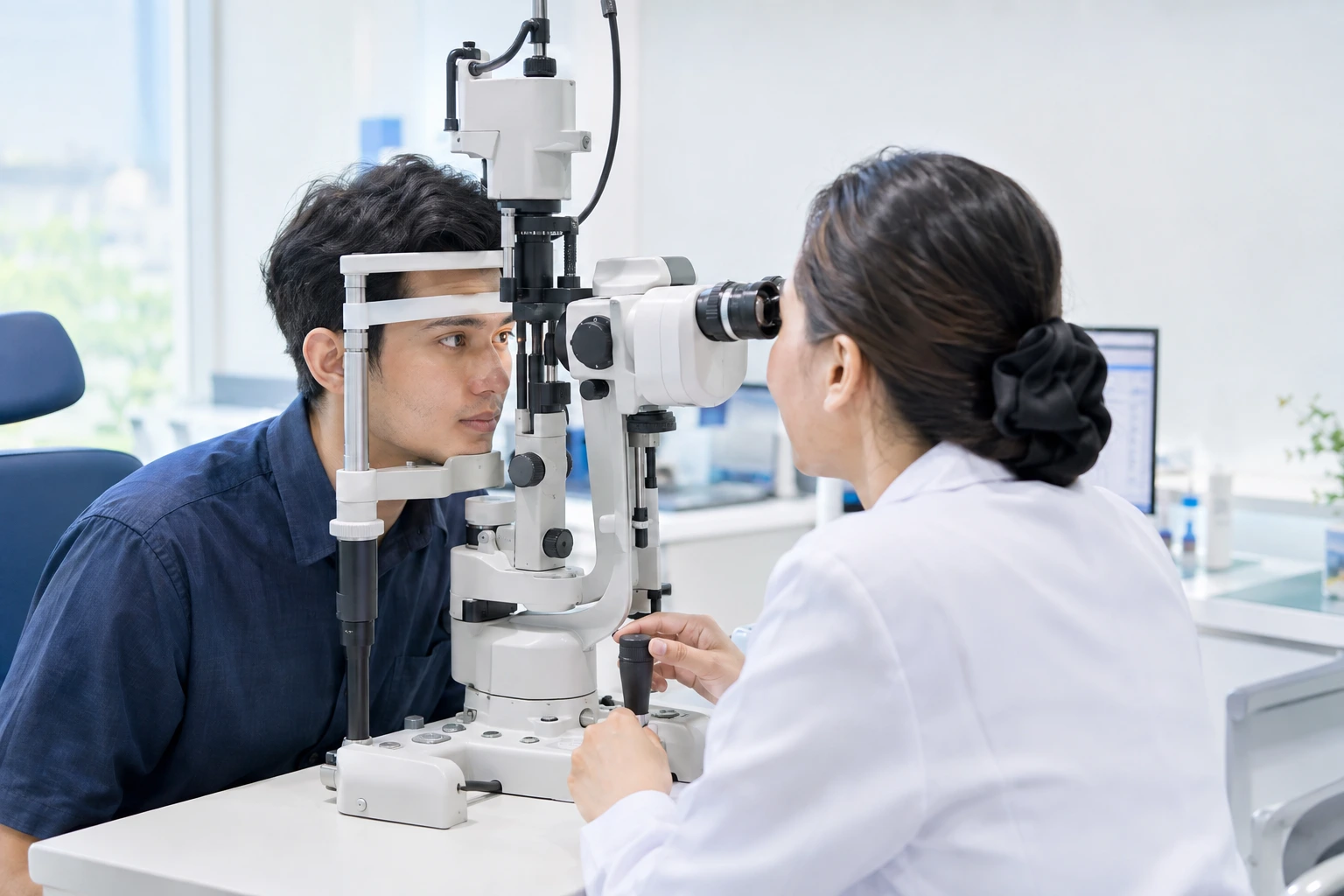
An ophthalmologist may perform:
- Visual acuity testing
- Slit-lamp examination
- Retinal examination
- Intraocular pressure measurement
If a systemic disease is suspected, additional blood tests or imaging studies may be recommended. The ophthalmologist may also collaborate with specialists in internal medicine or rheumatology when appropriate.
How Is Uveitis Treated?
Treatment aims to reduce inflammation, preserve vision, and address the underlying cause. The choice of therapy depends on both the cause and the location of the inflammation.
Treatment may include anti-inflammatory medications, antimicrobial therapy when an infectious cause is identified, or medications that regulate the immune system in selected cases.
Systemic corticosteroid anti-inflammatory medications (such as methylprednisolone) should NOT be administered before infectious causes have been excluded. Using systemic steroids in infectious uveitis may prolong inflammation and increase the risk of long-term, vision-threatening complications. Therefore, a uveitis specialist will perform a thorough evaluation during the initial visit before determining the most appropriate treatment.
Treatment should always be provided under the supervision of an ophthalmologist because the management of infectious uveitis differs from that of uveitis associated with autoimmune diseases.
When Should You See an Eye Doctor Immediately?
Seek prompt medical attention if you experience:
- Red eye accompanied by pain
- Severe sensitivity to light
- Sudden blurred vision
- Sudden onset of floaters
- Decreased vision
- A history of autoimmune disease accompanied by eye symptoms
The earlier uveitis is diagnosed and treated, the greater the chance of preventing vision-threatening complications.
Can Uveitis Recur?
Yes.
Some types of uveitis may recur, particularly when associated with certain autoimmune diseases. Regular follow-up examinations, as recommended by your ophthalmologist, are important even after symptoms have improved.
FAQ About Uveitis
Many cases can be successfully controlled with appropriate treatment. Proper management increases the likelihood that uveitis will resolve without causing complications or permanent visual damage. However, some patients require long-term monitoring because of the risk of recurrence.
No. Red eye is only one possible symptom. Uveitis is inflammation inside the eye that can affect vision and requires specialized evaluation.
In almost all cases, uveitis itself is not contagious when the inflammation is confined to the eye. If the underlying cause is an infection, the infectious organism—not the uveitis itself—may be transmissible.
Yes. Several autoimmune diseases can cause inflammation in the eyes, including uveitis.
Referensi:
Standardization of Uveitis Nomenclature (SUN) Working Group.
American Academy of Ophthalmology. Uveitis.
National Eye Institute. Uveitis.
Jabs DA, Nussenblatt RB, Rosenbaum JT. Standardization of Uveitis Nomenclature.
Tsirouki T, et al. A Focus on the Epidemiology of Uveitis.
Foster CS, Vitale AT. Diagnosis and Treatment of Uveitis.
Medically reviewed by: dr. Ikhwanuliman Putera, Sp.M, Ph.D