For people with nearsightedness or astigmatism, glasses and contact lenses are not the only options for improving vision. One laser-based vision correction procedure that may be evaluated is SMILE Pro. Although it is often discussed alongside LASIK, the two procedures use different techniques. Suitability for either procedure must be determined through an examination by an ophthalmologist.
What Is SMILE Pro?
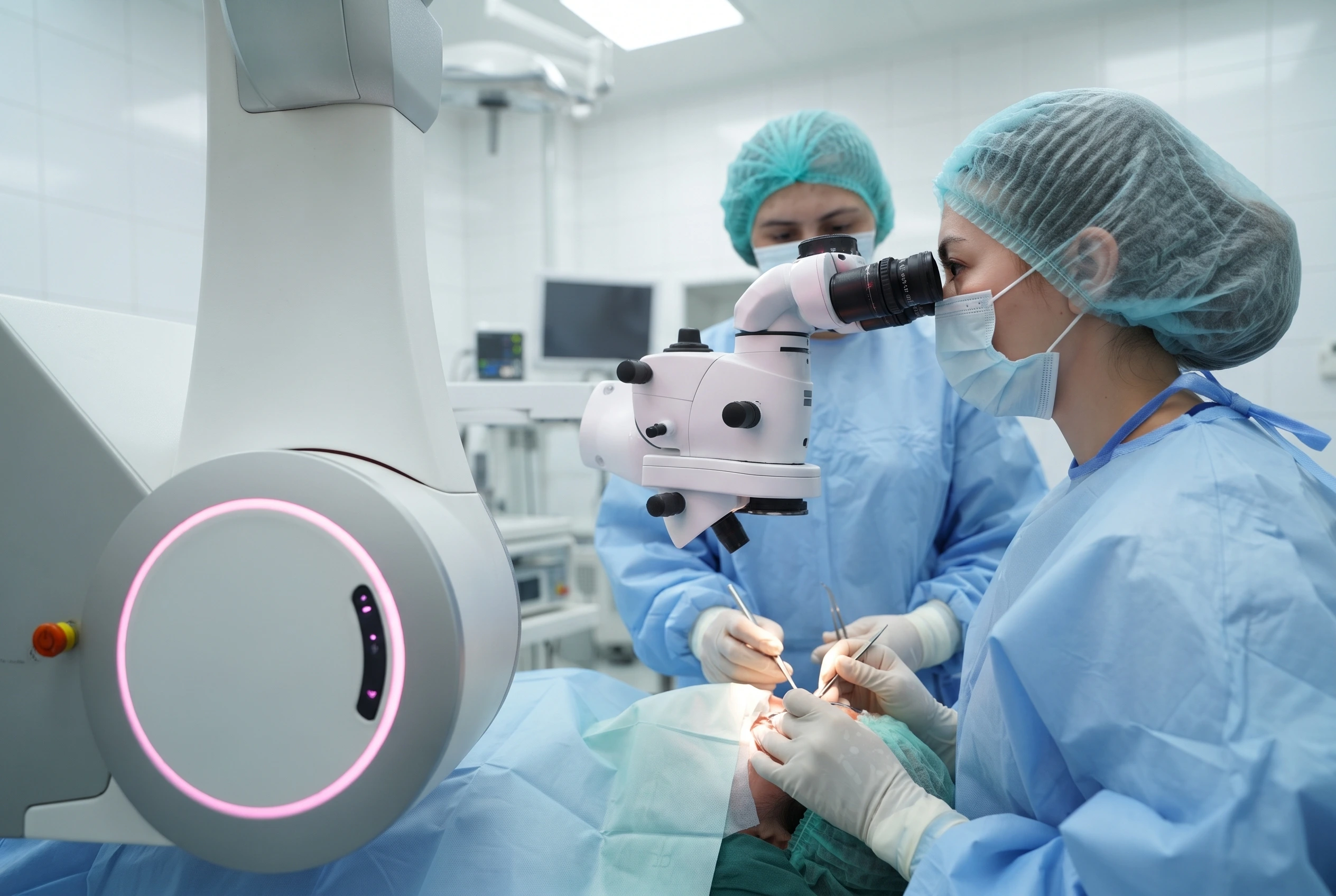
SMILE stands for Small Incision Lenticule Extraction. This procedure uses a femtosecond laser to create a thin, lens-shaped piece of tissue called a lenticule within the cornea. The surgeon then removes the lenticule through a small incision.
This change in corneal shape helps redirect light so that it focuses more accurately on the retina.
SMILE Pro is an advancement of SMILE technology that uses a newer-generation laser system. Specific indications and available equipment should be confirmed with the facility where the procedure will be performed.
How Does SMILE Pro Work?
Before the procedure, the doctor examines the patient’s eyes and measures their refractive errors. If the patient is considered eligible, anesthetic eye drops are administered, and the eye is positioned using a specialized device.
The laser creates a lenticule within the cornea, which the surgeon then removes through a small incision. Unlike LASIK, no corneal flap is created.
Because the procedure involves reshaping corneal tissue, preoperative examinations and accurate surgical planning are essential parts of the process.
How Is It Different from LASIK?
The main difference lies in the surgical technique. LASIK involves creating a flap in the cornea, whereas SMILE Pro removes a lenticule through a small incision without creating a flap.
This difference influences clinical considerations, but it does not mean that one procedure is always better for everyone.
The choice should take into account refractive error, corneal shape and thickness, ocular surface condition, medical history, and the patient’s individual needs. Based on the examination results, the doctor can explain the benefits, risks, and limitations of each option.
Benefits and Limitations to Understand
The flap-free technique is a defining characteristic of SMILE Pro. For some patients, this approach may be an important consideration when choosing a refractive surgery procedure.
However, the procedure still carries risks and does not guarantee that all patients will be free from glasses in every situation.
Possible postoperative symptoms include dry eyes, glare, halos around lights, light sensitivity, or temporarily unstable vision. The level of risk and the outcomes vary from person to person.
Claims that the procedure is “risk-free,” “definitely safer,” or guarantees permanent results should be avoided.
Is SMILE Pro Suitable for Everyone?
No. Eligibility is determined through a comprehensive eye examination, not solely by the degree of nearsightedness or astigmatism.
The doctor will evaluate refractive stability, corneal condition, ocular surface health, retinal health, medical history, and other relevant factors.
Certain conditions may require the procedure to be postponed or make an alternative treatment more suitable. Information available online can help patients prepare questions, but it cannot replace an in-person medical evaluation.
SMILE Pro is one laser-based vision correction option that uses a flap-free corneal technique. Understanding how it works and how it differs from LASIK is an important first step. However, the decision to undergo the procedure should be based on examination results, an understanding of the associated risks, and the patient’s vision goals.
Read our guide, Am I a Candidate for SMILE Pro?, to understand the factors evaluated before choosing this procedure.
Medically reviewed by: dr. Rahayu Widhyasti, Sp.M
Last updated: November 16, 2026
Reference:
A Saad et al. (2024) – Refractive outcomes of small lenticule extraction (SMILE) Pro® with a 2 MHz femtosecond laser
Ganesh, S. (2018) – Refractive lenticule extraction small incision lenticule extraction: A new refractive surgery paradigm