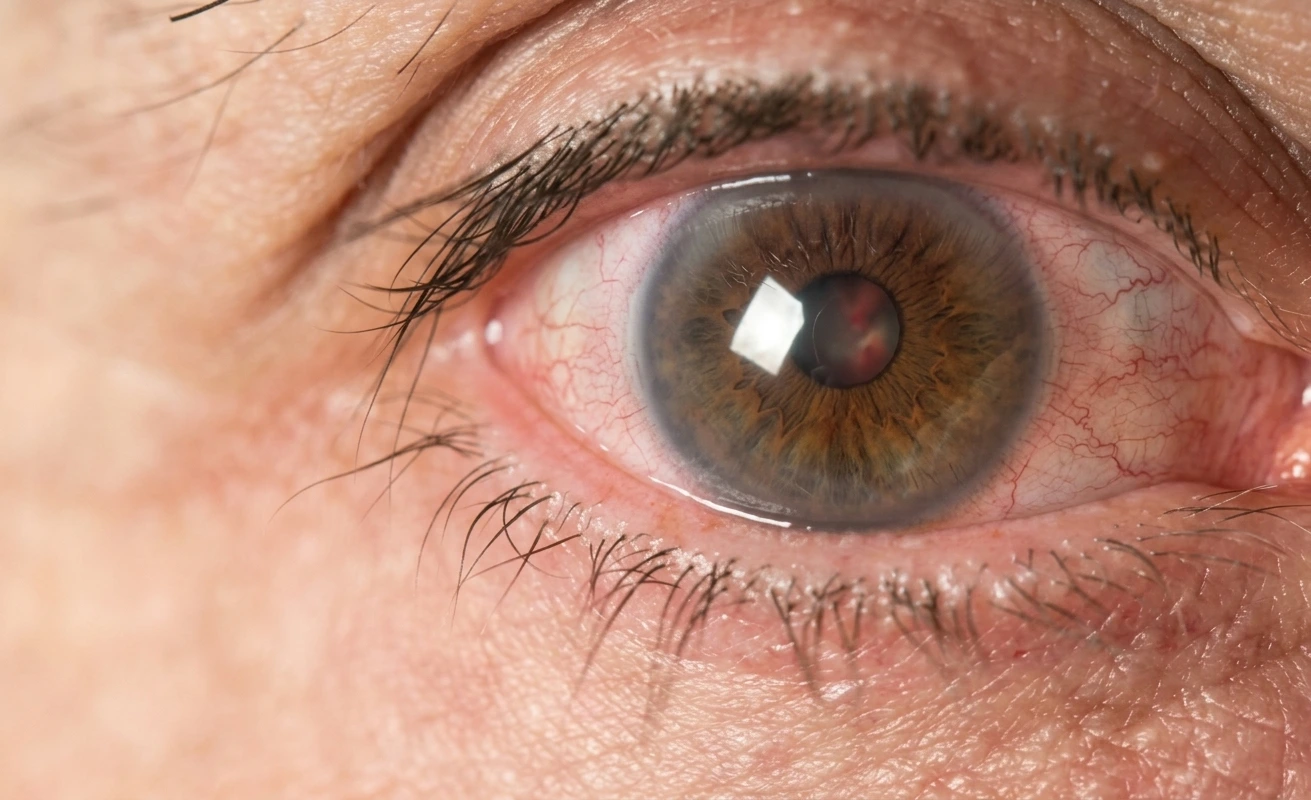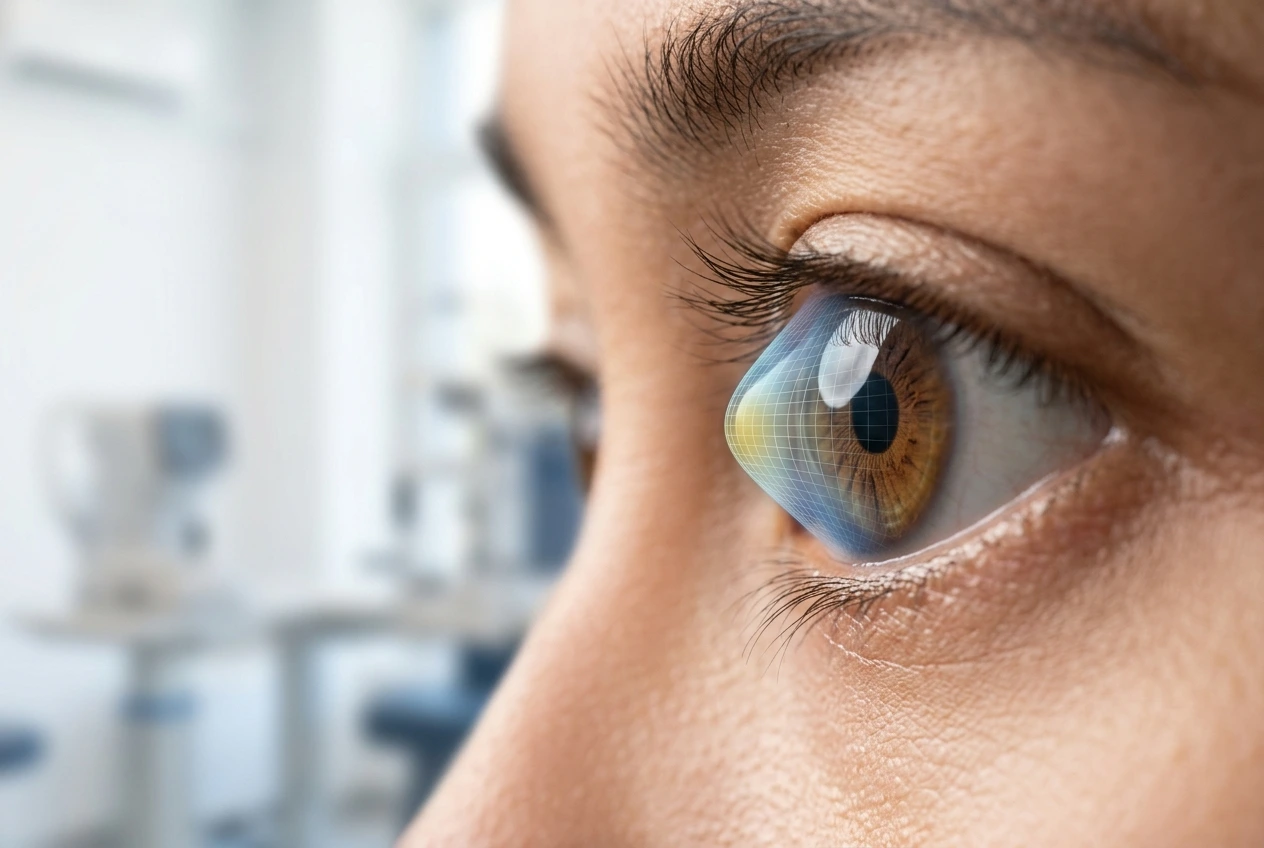
Keratitis is inflammation of the cornea, the clear front surface of the eye. It can be caused by bacterial, viral, fungal, or parasitic infections, but it may also result from eye injuries, improper contact lens use, or dry eye disease. Certain non-infectious conditions, including autoimmune diseases, may also be associated with keratitis.
Early recognition of keratitis is essential because, in some cases, it can progress to corneal ulcers, scarring, and even permanent vision loss if left untreated.
What Is Keratitis?
The cornea plays a vital role in focusing light as it enters the eye. When the cornea becomes inflamed or infected, its transparency can be affected, leading to reduced visual quality.
Keratitis is generally classified into two main types:
- Infectious keratitis, caused by bacteria, viruses, fungi, or parasites. Improper contact lens use is also a significant risk factor for infectious keratitis.
- Non-infectious keratitis, which may result from eye injuries, dry eyes, excessive ultraviolet (UV) light exposure, or certain autoimmune conditions.
Identifying the underlying cause is crucial because each type of keratitis requires a different treatment approach.
Symptoms of Keratitis
Common symptoms include:
- Red eye
- Eye pain
- Excessive tearing
- Sensitivity to light (photophobia)
- Blurred vision
- A sensation of having something in the eye
- Difficulty opening the eye
- Eye discharge in some cases
The deeper the infection extends into the cornea, the greater the risk of vision impairment.
What Causes Keratitis?
- Bacterial Infection
Bacterial keratitis commonly occurs in contact lens wearers who do not properly clean their lenses or storage cases.
2. Viral Infection
Herpes simplex virus (HSV) is one of the most common causes of viral keratitis and may recur over time.
3. Fungal Infection
Fungal keratitis may develop after an eye injury involving organic materials such as tree branches or plants, although other risk factors also exist. In some communities, applying betel leaf water, butterfly pea flower water, or other herbal preparations to the eyes—even after boiling—may lead to fungal keratitis.
4. Acanthamoeba Infection
Acanthamoeba keratitis is a rare but serious infection that is frequently associated with poor contact lens hygiene.
5. Corneal Injury
Scratches or trauma to the cornea can make it easier for microorganisms to enter the eye and trigger inflammation.
6. Dry Eyes
An unstable tear film can leave the corneal surface more vulnerable to irritation and damage.
Who Is at Risk of Developing Keratitis?
The risk is higher in individuals who:
- Wear contact lenses
- Sleep while wearing contact lenses without medical recommendation
- Have a history of eye injury
- Have a weakened immune system
- Have a history of ocular herpes
- Experience chronic dry eye
How Is Keratitis Diagnosed?
An ophthalmologist may perform:
- Visual acuity testing
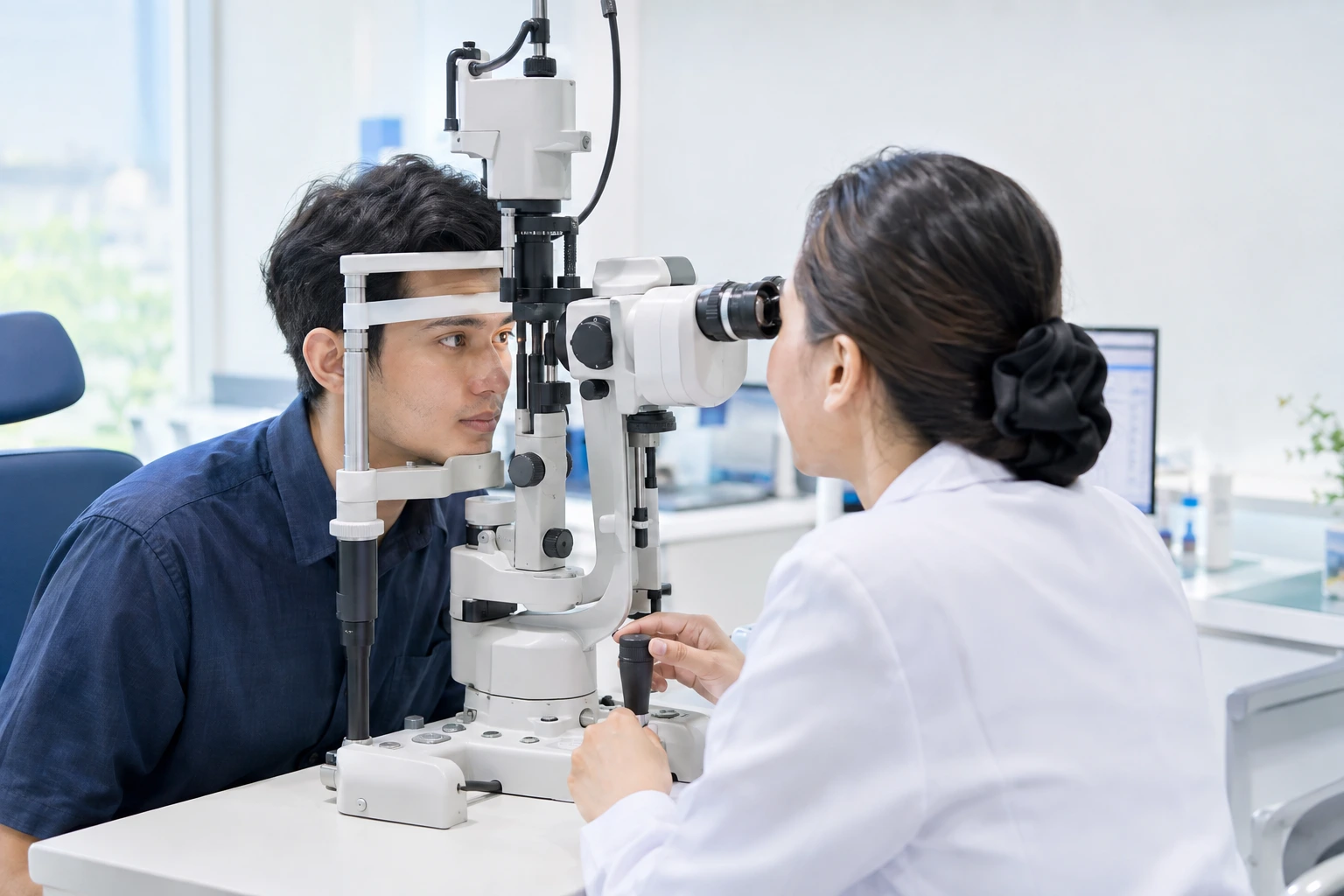
- Corneal examination using a slit lamp
- Fluorescein staining to detect corneal damage
- Corneal sample collection (when necessary) to help identify the cause of infection
These examinations help determine the most appropriate treatment.
How Is Keratitis Treated?
Treatment depends on the underlying cause.
Your ophthalmologist may prescribe:
- Antibiotics for bacterial infections
- Antiviral medications for herpes infections
- Antifungal medications for fungal infections
- Other treatments based on examination findings
Self-medicating without knowing the cause can worsen the condition. Eye drops containing steroids should never be used without medical supervision, as they can aggravate certain types of eye infections.
What Are the Complications of Keratitis?
If treatment is delayed, keratitis may lead to:
- Corneal ulcer
- Corneal scarring
- Vision loss
- Corneal perforation in severe cases
- Blindness in certain situations
When Should You See an Eye Doctor?
Seek immediate medical attention if you experience:
- Red eyes accompanied by pain
- Blurred vision
- Sensitivity to light
- Eye pain while wearing contact lenses
- Symptoms that do not improve within 24–48 hours
- A history of eye injury
How to Reduce the Risk of Keratitis
The following measures may help lower your risk:
- Wash your hands before touching your eyes or contact lenses.
- Wear contact lenses according to your eye doctor’s instructions.
- Do not sleep while wearing contact lenses unless specifically advised by your doctor.
- Replace contact lens solution regularly, and never substitute it with alternative liquids, including mineral water.
- Wear protective eyewear when working in hazardous environments, including while riding or driving.
- Do not apply betel leaf water, butterfly pea flower water, urine, or similar substances to your eyes.
- Do not use steroid-containing eye drops without evaluation and supervision by an ophthalmologist.
FAQ About Keratitis
Yes. Keratitis can often be successfully treated, especially when it is diagnosed early and managed according to its underlying cause.
No. Keratitis affects the cornea, whereas conjunctivitis affects the conjunctiva. Although the symptoms may overlap, the conditions require different treatments. Keratitis is more likely to cause glare sensitivity and blurred vision.
No. However, poor contact lens hygiene significantly increases the risk of developing keratitis.
Yes. In severe cases or when treatment is delayed, keratitis can lead to corneal scarring, permanent vision impairment, and even blindness.
Reference:
American Academy of Ophthalmology. Bacterial Keratitis Preferred Practice Pattern.
World Health Organization. Blindness and Vision Impairment.
Centers for Disease Control and Prevention. Healthy Contact Lens Wear and Care.
Ting DSJ, et al. Infectious Keratitis: An Update on Epidemiology, Diagnosis and Management. Clinical & Experimental Ophthalmology.
Austin A, Lietman T, Rose-Nussbaumer J. Update on the Management of Infectious Keratitis. Ophthalmology.
Medically reviewed by: dr. Ikhwanuliman Putera, Sp.M, Ph.D