No. High eye pressure does not always mean that a person has glaucoma. Increased intraocular pressure is an important risk factor for glaucoma, but glaucoma is characterized by damage to the optic nerve. Conversely, glaucoma can also occur in people whose eye pressure is not high.
High eye pressure does not necessarily mean glaucoma. When intraocular pressure is elevated but there is no evidence of optic nerve damage or visual field loss, the condition is known as ocular hypertension. This condition can increase the risk of developing glaucoma, so it should be evaluated and monitored by an eye doctor.
What Is Eye Pressure?
Eye pressure, or intraocular pressure (IOP), is the pressure inside the eye caused by a fluid called aqueous humor.
This fluid is continuously produced and drained from the eye. When its drainage is impaired, fluid can build up, causing the pressure inside the eye to increase.
Eye pressure is one of the parameters doctors check when evaluating a person’s risk of glaucoma.
What Is Considered Normal Eye Pressure?
Eye pressure is often considered higher than the normal range when it is above approximately 21 mmHg. However, this number alone cannot determine whether someone has glaucoma.
Every eye is different. A person with eye pressure considered normal can still develop glaucoma, while someone with high eye pressure may not have optic nerve damage. Therefore, tonometry results need to be considered together with other eye examinations.
What Causes High Eye Pressure?
Eye pressure can increase when fluid inside the eye cannot drain properly. Several factors may be associated with increased eye pressure, including:
- Impaired drainage of eye fluid.
- Certain anatomical conditions of the eye.
- Steroid use in some people.
- A history of eye injury or inflammation.
- Certain eye conditions.
- Risk factors for glaucoma.
The underlying cause should be determined through an eye examination because not all cases of high eye pressure have the same cause.
What Is Ocular Hypertension?
Ocular hypertension is a condition in which intraocular pressure is elevated but there is no evidence of optic nerve damage or visual field loss caused by glaucoma.
This condition is different from glaucoma. People with ocular hypertension have a higher risk of developing glaucoma than people without high eye pressure, but not everyone with ocular hypertension will develop glaucoma.
Therefore, an eye doctor may choose to monitor the condition regularly or recommend specific treatment based on the individual’s level of risk.
Does High Eye Pressure Always Cause Glaucoma?
No.
Research shows that some people with high eye pressure do not develop glaucoma-related vision damage.
However, the higher the eye pressure and the more risk factors a person has, the more important it is to undergo evaluation and regular monitoring. Other factors, such as the condition of the optic nerve and corneal thickness, can also affect a person’s risk of developing glaucoma.
Can Glaucoma Occur with Normal Eye Pressure?
Yes.
Certain types of glaucoma can occur even when eye pressure is not above the normal range. This means that normal eye pressure does not automatically mean that the eyes are free from glaucoma. Optic nerve and visual field examinations remain important when a doctor suspects glaucoma.
Does High Eye Pressure Cause Symptoms?
Not always.
Elevated eye pressure may not cause noticeable symptoms, especially when the increase occurs gradually. As a result, a person can have high eye pressure without experiencing eye pain or a noticeable decline in vision. This is one reason why regular eye examinations are important for people who have risk factors for glaucoma.
How Is High Eye Pressure Detected?
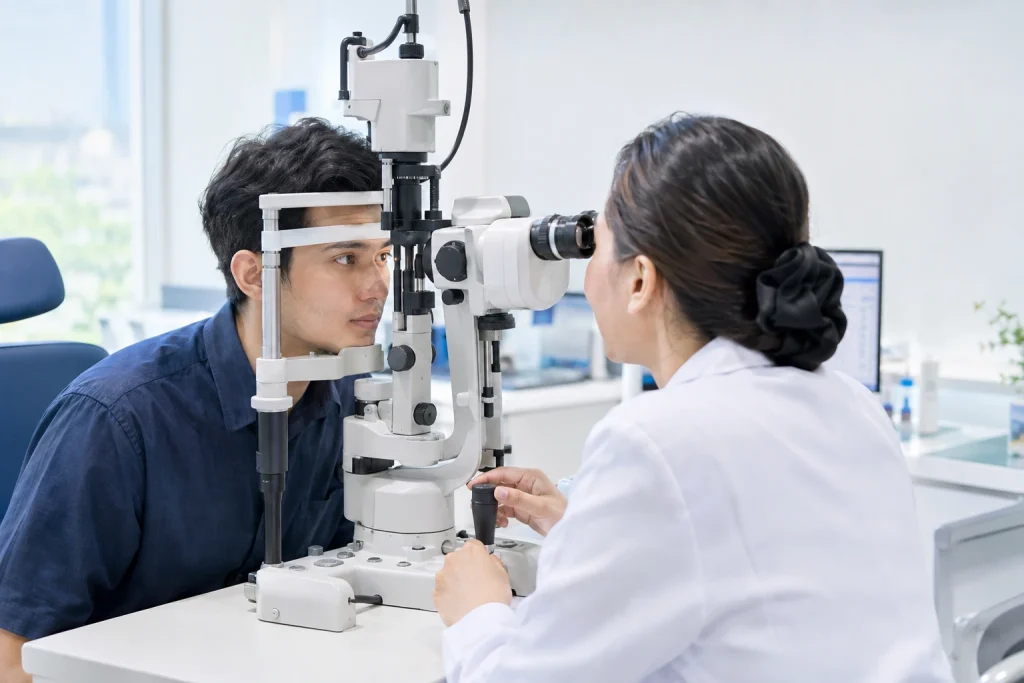
Eye pressure is measured using a test called tonometry.
This examination can be performed as part of a comprehensive eye examination to assess intraocular pressure. However, tonometry results are not considered on their own. A doctor may combine the results with an optic nerve examination, visual field testing, and other structural eye examinations to assess the risk of glaucoma.
What Tests Are Needed If You Have High Eye Pressure?
If high eye pressure is detected, a doctor may perform several additional examinations, such as:
- Optic nerve examination.
- Visual field testing.
- Examination of the retina and optic nerve structures.
- Examination of the drainage angle of the eye.
- Corneal thickness measurement, when needed.
The goal is to determine whether the elevated eye pressure is already accompanied by signs of glaucoma-related damage.
Does High Eye Pressure Need Treatment?
Not everyone with high eye pressure needs medication immediately.
Treatment decisions depend on the level of eye pressure, the condition of the optic nerve, visual field results, risk factors, and the likelihood of developing glaucoma.
For some people at higher risk, a doctor may consider treatment to lower eye pressure. For people at lower risk, regular monitoring may be an appropriate option. When treatment is needed, it may include eye drops, laser treatment, or other procedures depending on the individual’s condition.
Can High Eye Pressure Be Prevented?
Not all causes of high eye pressure can be prevented.
However, regular eye examinations can help detect elevated eye pressure and glaucoma risk factors at an earlier stage. This is important because optic nerve damage caused by glaucoma cannot be reversed once it has occurred. Early detection and treatment aim to preserve the vision that remains.
Who Should Be More Vigilant?
More frequent eye examinations may be considered, particularly for people with risk factors such as:
- A family history of glaucoma.
- Increasing age.
- High eye pressure.
- Certain eye conditions.
- A history of eye injury.
- Use of certain steroids.
- Other risk factors identified by an eye doctor.
People with multiple risk factors may need more frequent monitoring.
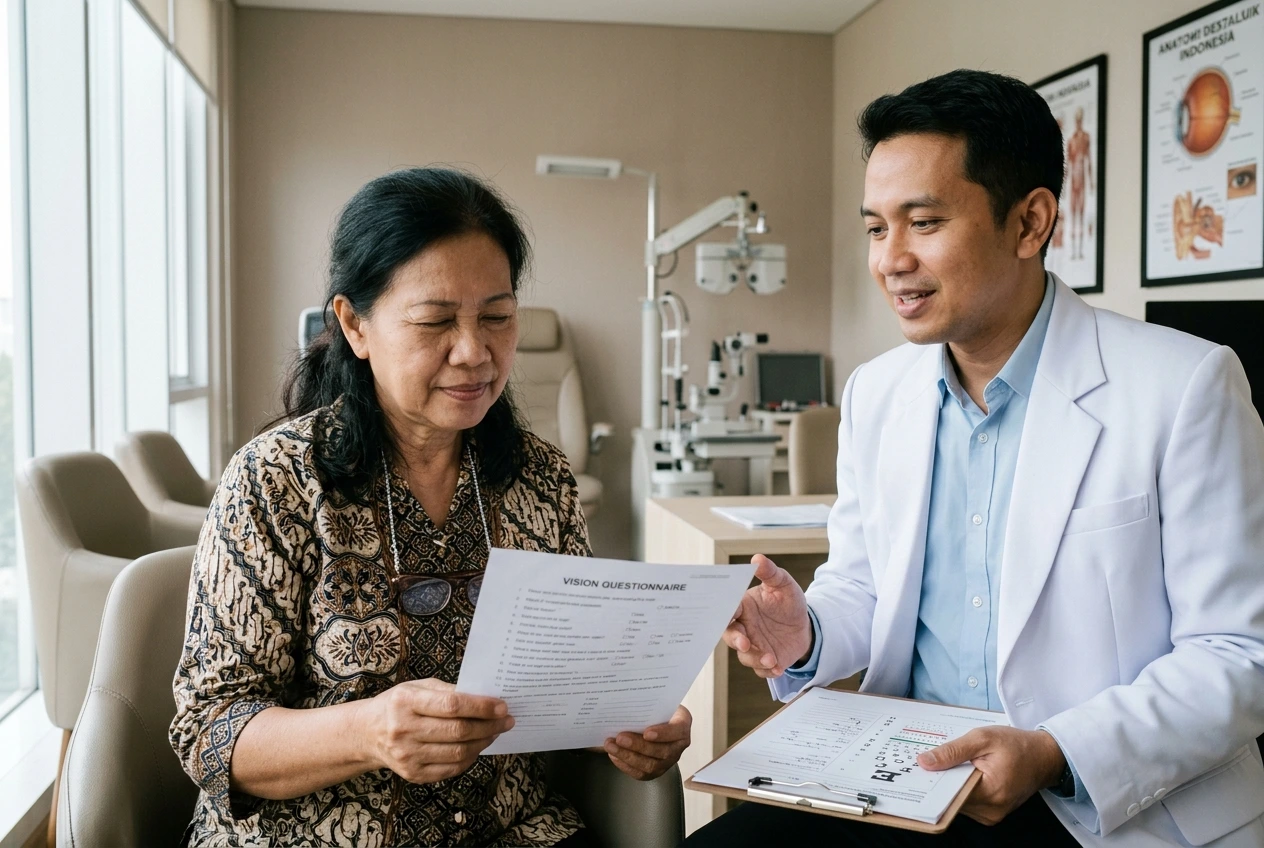
When Should You Have an Eye Examination?
Have your eyes examined if:
- A previous examination showed high eye pressure.
- You have a family history of glaucoma.
- You experience changes in your vision.
- A doctor has previously mentioned that you are at risk of glaucoma.
- You have never had a comprehensive eye examination.
Seek immediate medical attention if eye pressure or eye symptoms are accompanied by severe eye pain, eye redness, sudden blurred vision, seeing halos around lights, nausea, or vomiting. These symptoms can occur with acute angle-closure glaucoma, which requires urgent treatment.
FAQ About High Eye Pressure
No. High eye pressure is a risk factor, but glaucoma requires evidence of optic nerve damage or corresponding visual field loss.
Eye pressure above approximately 21 mmHg is often considered higher than the normal range. However, this number alone is not sufficient to determine whether someone has glaucoma.
Eye pressure can change over time, and measurement results can be affected by various factors. Therefore, high eye pressure detected during an examination should be evaluated and, when necessary, measured again by an eye care professional.
No. Glaucoma can occur even when eye pressure is within the normal range.
High eye pressure can increase the risk of glaucoma. If a person subsequently develops optic nerve damage due to glaucoma and it is left untreated, vision loss can occur.
In addition to tonometry, a doctor may perform an optic nerve examination, visual field testing, structural eye examinations, and an examination of the eye’s drainage angle as needed.
Conclusion
High eye pressure does not always mean glaucoma. The condition may be referred to as ocular hypertension when intraocular pressure is elevated but there is no evidence of optic nerve damage or visual field loss caused by glaucoma.
Conversely, glaucoma can also occur in people whose eye pressure is not high. Therefore, eye pressure measurements should not be considered on their own.
If an examination shows high eye pressure, further evaluation and monitoring by an ophthalmologist are important to assess the risk and help maintain healthy vision.
Reference:
National Eye Institute – Glaucoma and Eye Pressure
National Eye Institute – Glaucoma
American Academy of Ophthalmology EyeWiki – Ocular Hypertension
National Eye Institute – Treatment Not Always Needed to Prevent Vision Loss in Patients with Elevated Eye Pressure