JAKARTA, KOMPAS.com – Many people begin to notice changes in their vision when they reach their 40s. Simple activities such as reading messages on a smartphone, checking product labels, or reading a book often become more difficult than before. These changes are commonly associated with presbyopia, also known as age-related farsightedness or “aging eyes.”
Although presbyopia is a common condition, many people still believe it develops suddenly. According to dr. Zoraya Ariefia Feranthy, Sp.M, Consultant Ophthalmologist at Mayapada Eye Centre (MEC), presbyopia is part of the natural aging process that develops gradually and is influenced by several factors.
What Is Presbyopia?
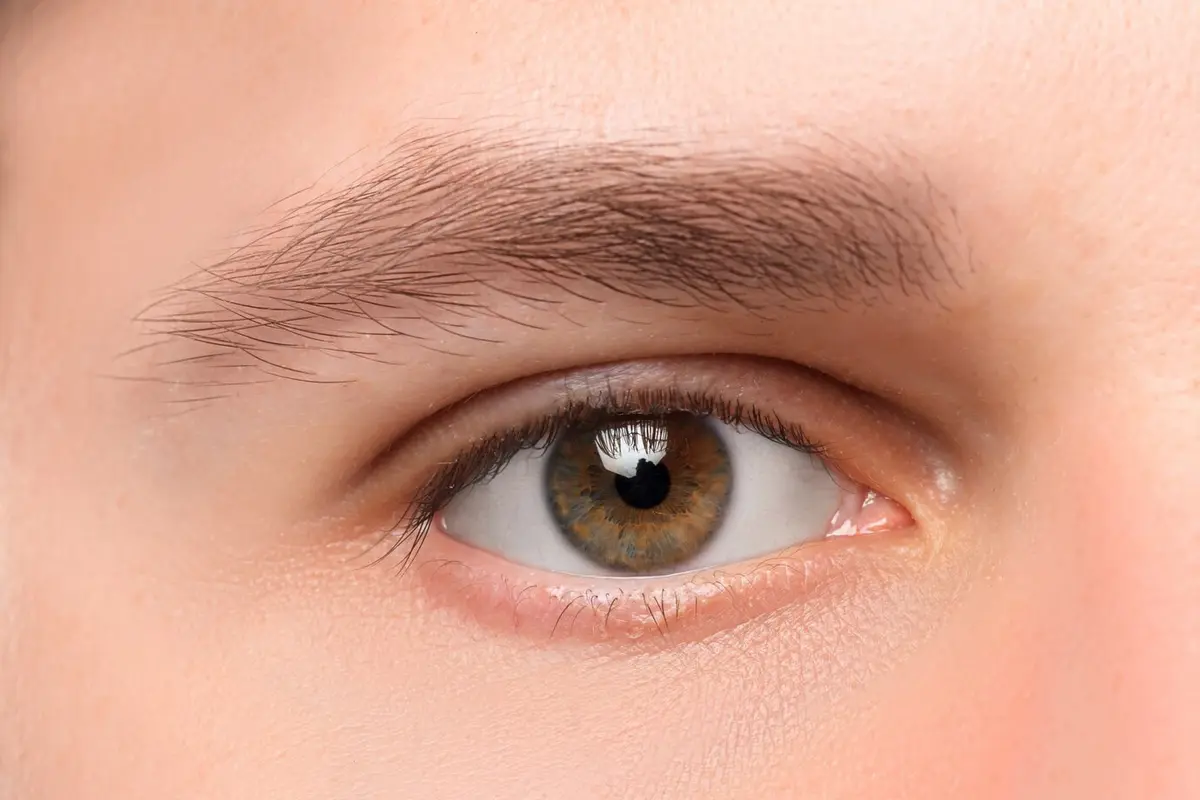
Dr. Zoraya explained that presbyopia occurs when the eyes gradually lose their ability to focus on nearby objects. This condition is related to changes in the elasticity of the eye muscles and other internal structures responsible for focusing vision.
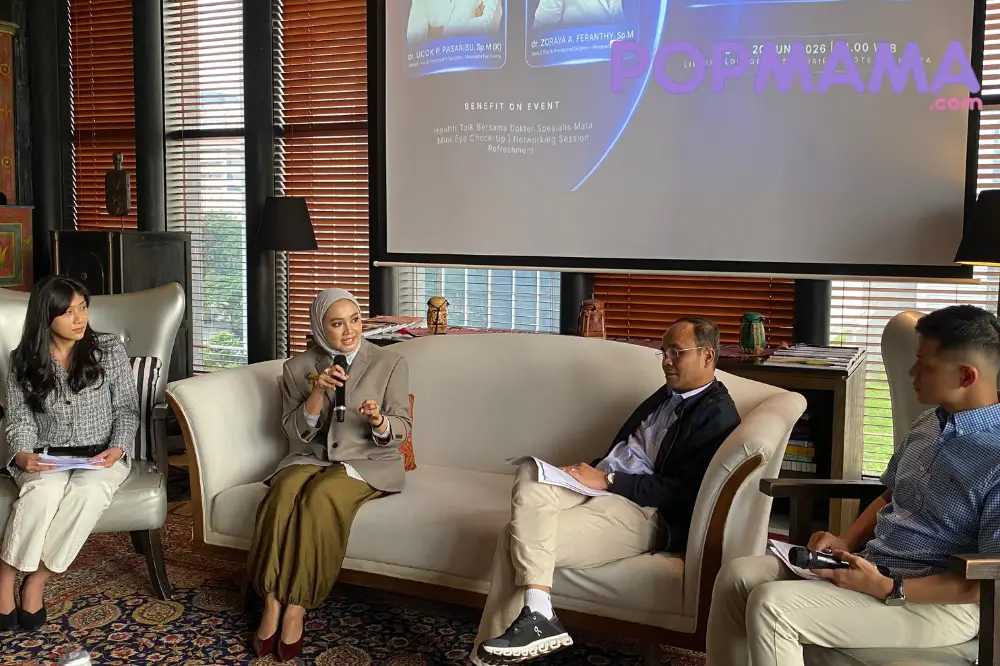
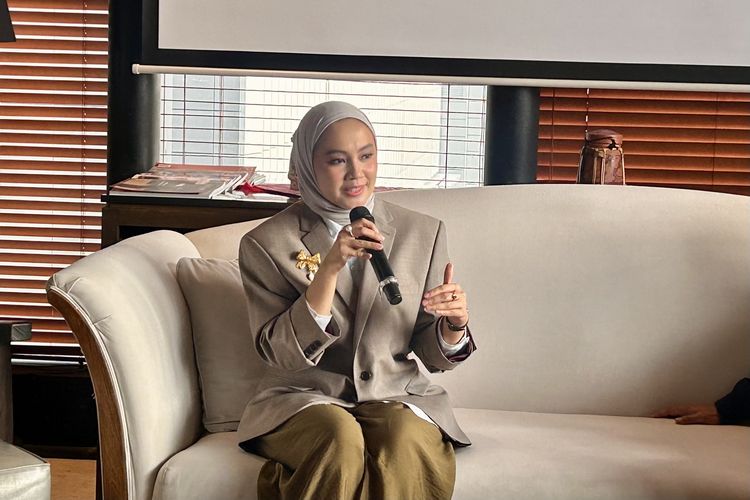
“Presbyopia, or age-related farsightedness, occurs because the elasticity of the muscles inside the eye, which help focus light when viewing both distant and nearby objects, gradually changes over time,” explained dr. Zoraya during the Media Gathering with Mayapada Eye Centre (MEC) in Central Jakarta on Saturday (June 20, 2026).
As these changes occur, the eyes need to work harder to focus on nearby objects. As a result, many people begin holding their smartphones or books farther away to make the text easier to read.
Presbyopia is not a disease. Instead, it is a natural physiological change that occurs with aging. Nearly everyone will experience it, although the severity varies from person to person.
According to dr. Zoraya, aging affects not only the skin, bones, and joints but also the visual system. Over time, different parts of the body gradually lose some of their function.
“As we age, our bodies naturally go through the aging process. Our knees may start to ache, our backs become stiffer, and our eyes experience similar changes,” she said.
In the eyes, these changes reduce the ability to quickly adjust focus between distant and nearby objects. Consequently, vision becomes less flexible than it was at a younger age.
“The eyes gradually become less flexible when shifting focus between far and near distances, especially when looking at nearby objects,” added dr. Zoraya.
Because this process develops gradually, many people do not immediately recognize the changes. Symptoms usually become noticeable only when everyday activities that require prolonged near vision begin to feel more challenging.
Factors That Influence Presbyopia
Besides aging, dr. Zoraya explained that several other factors may influence how quickly the eyes undergo age-related changes.
These factors may cause presbyopia to develop earlier or later in different individuals.
“The aging process of the eyes is influenced by many factors, including genetics and daily habits. There is also a possibility that prolonged periods of near work may contribute to the development of presbyopia,” she explained.
Frequently focusing on nearby objects, such as looking at computer screens, using smartphones, or reading for extended periods, is believed to play a role in accelerating symptoms related to reduced near focusing ability.
However, not every risk factor can be controlled. One of the most significant is genetics.
“The most difficult factor to control is genetics. If someone inherits a tendency toward earlier aging of the eyes, presbyopia may develop sooner, even if they maintain a healthier lifestyle,” said dr. Zoraya.
Therefore, maintaining good eye health from a young age remains essential. Although the natural aging process cannot be stopped, healthy habits may help preserve visual function for a longer period.
Regular eye examinations are also important for monitoring changes in vision and ensuring that any eye conditions are detected and managed as early as possible.
Source: Devi Pattricia, Bestari Kumala Dewi – Kompas.com