Children Today Are More Susceptible to Myopia
In today’s digital era, children’s eye health has become one of the most important concerns for parents. Early exposure to digital devices, increased screen-based learning, and limited time spent outdoors can all affect a child’s vision over the long term.
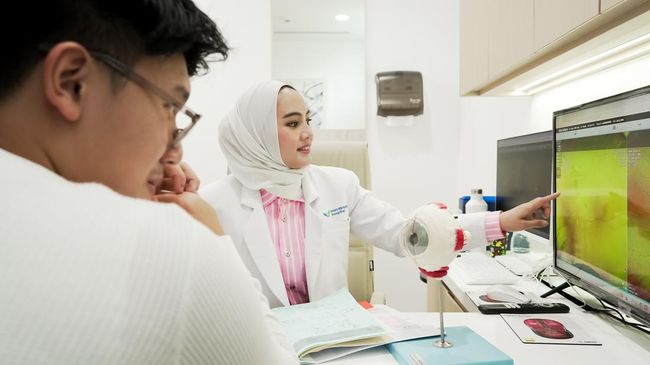
During an event held on June 20, 2026, at The Orient Hotel Jakarta, dr. Zoraya Ariefia Feranthy, an ophthalmologist at Mayapada Eye Centre, and dr. Ucok P. Pasaribu, a consultant ophthalmologist at Mayapada Eye Centre, shared essential insights that every parent should know to help maintain their children’s eye health.
1. Children Today Are More Susceptible to Myopia
According to dr. Zoraya, today’s children are growing up in an environment where digital devices are part of everyday life. Even toddlers are frequently exposed to gadgets for entertainment and daily activities.
As a result, the risk of developing myopia (nearsightedness) has increased significantly compared to previous generations.
2. Screen Time Now Has a Greater Impact Than Genetics
While genetics was once considered the primary cause of myopia, the situation has changed.
“In the past, genetics played the most significant role in myopia. Today, external factors have become more influential, particularly the duration of screen time,” said dr. Ucok.
Therefore, it is no longer uncommon for children to develop significant myopia even when neither parent wears glasses, simply because of prolonged exposure to digital screens.
3. Practice the 20-20-20 Rule Every Day
One of the simplest ways recommended by ophthalmologists to maintain healthy eyes is the 20-20-20 rule.
“Every 20 minutes of near work, look at an object 20 feet (approximately 6 meters) away for 20 seconds,” explained dr. Zoraya.
This simple habit allows the eye muscles to relax and helps reduce digital eye strain caused by prolonged reading, studying, or screen use.
4. Parents Don’t Need to Completely Ban Gadgets
Although screen time should be limited, children do not need to be completely separated from technology.
“There’s no need to take the gadgets away. Instead, parents should manage their use wisely according to the child’s age and limit the duration appropriately,” explained dr. Ucok.
In today’s digital world, technology is an unavoidable part of daily life. The key is ensuring that children use digital devices appropriately and within healthy time limits.
5. Eye Examinations Should Begin at Around Three Years of Age
Many parents only take their children to an eye doctor after they begin complaining about blurred vision. However, eye examinations should begin much earlier.
“Children should have their eyes examined by a pediatric ophthalmologist starting at around three years old to ensure their eyes are developing normally,” said dr. Ucok.
Early eye examinations help detect vision problems that may go unnoticed by both children and their parents.
6. Untreated Myopia Can Affect Academic Performance
According to dr. Ucok, children often do not realize that they have vision problems. They may simply become accustomed to sitting closer to the classroom board or guessing what is written from a distance.
“Ultimately, their education is affected. The child may actually be very intelligent, but their vision is not optimal,” he explained.
Parents should therefore watch for warning signs such as frequent squinting, sitting too close to screens, or difficulty seeing objects or writing from a distance.
7. Don’t Wait Until Your Child Complains—Schedule Regular Eye Checkups
In addition to early eye examinations, dr. Ucok also recommends routine eye checkups, especially for children who already have myopia or other vision-related risk factors.
“If we don’t monitor their visual development and update their glasses prescription when needed, both their education and vision quality can be affected,” he said.
Regular eye examinations help ensure that a child’s vision continues to develop properly throughout their growing years.
As children’s use of digital devices and screen-based activities continues to increase, protecting their eye health has become an essential part of supporting healthy growth and development. Limiting screen time, practicing the 20-20-20 rule, encouraging more outdoor activities, and scheduling regular eye examinations are simple yet effective steps parents can take to safeguard their children’s vision for the future.