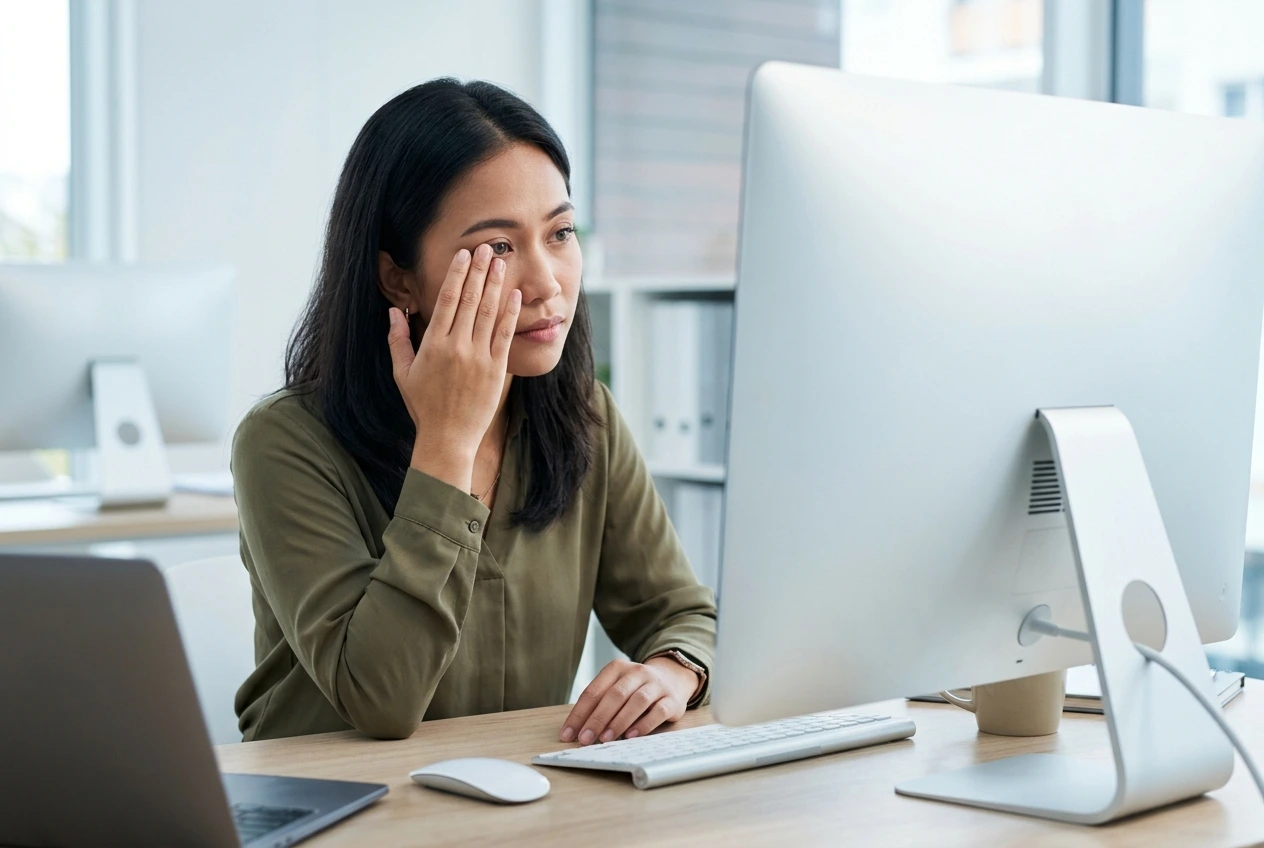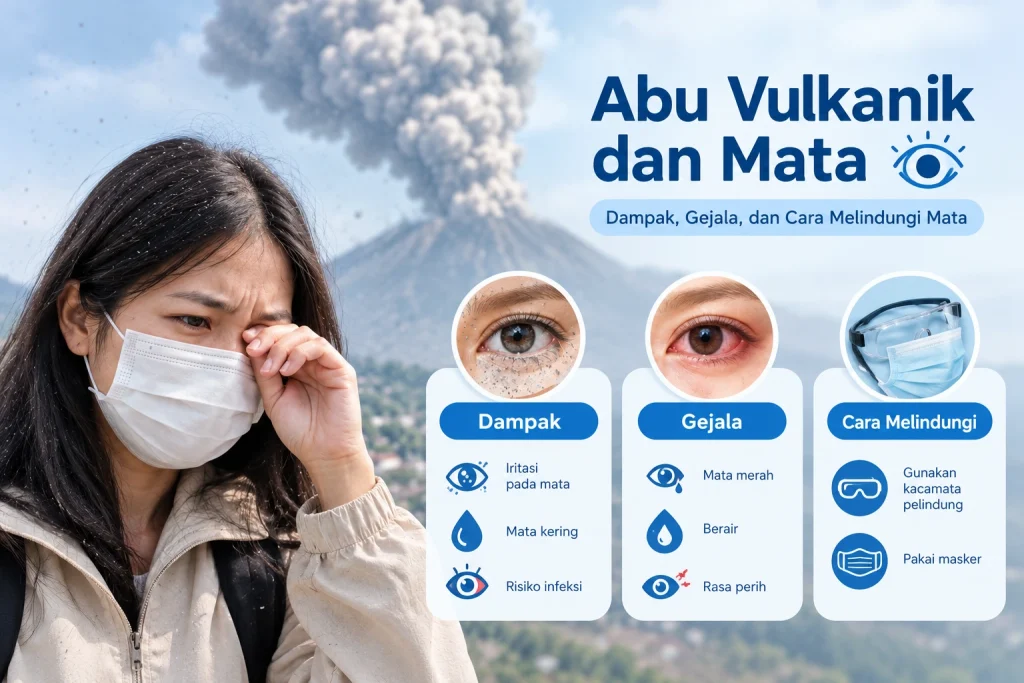
Volcanic ash can affect more than just the respiratory system. It can also cause eye irritation when airborne ash particles come into contact with the surface of the eyes. This may result in stinging, redness, excessive tearing, or a sensation that something is stuck in the eye.
The Indonesian Ministry of Health warns that exposure to volcanic ash can irritate the eyes, respiratory tract, and skin. People living in affected areas are therefore advised to minimize exposure to volcanic ash and follow official guidance from the government and local authorities.
For eye health, exposure to volcanic ash deserves particular attention because ash particles can be rough and abrasive. In addition to causing irritation, particles that enter the eye may scratch the front surface of the eye, including the cornea.
What Are the Effects of Volcanic Ash on the Eyes?
Volcanic ash can cause a range of eye problems, particularly when a person is exposed to high concentrations of ash.
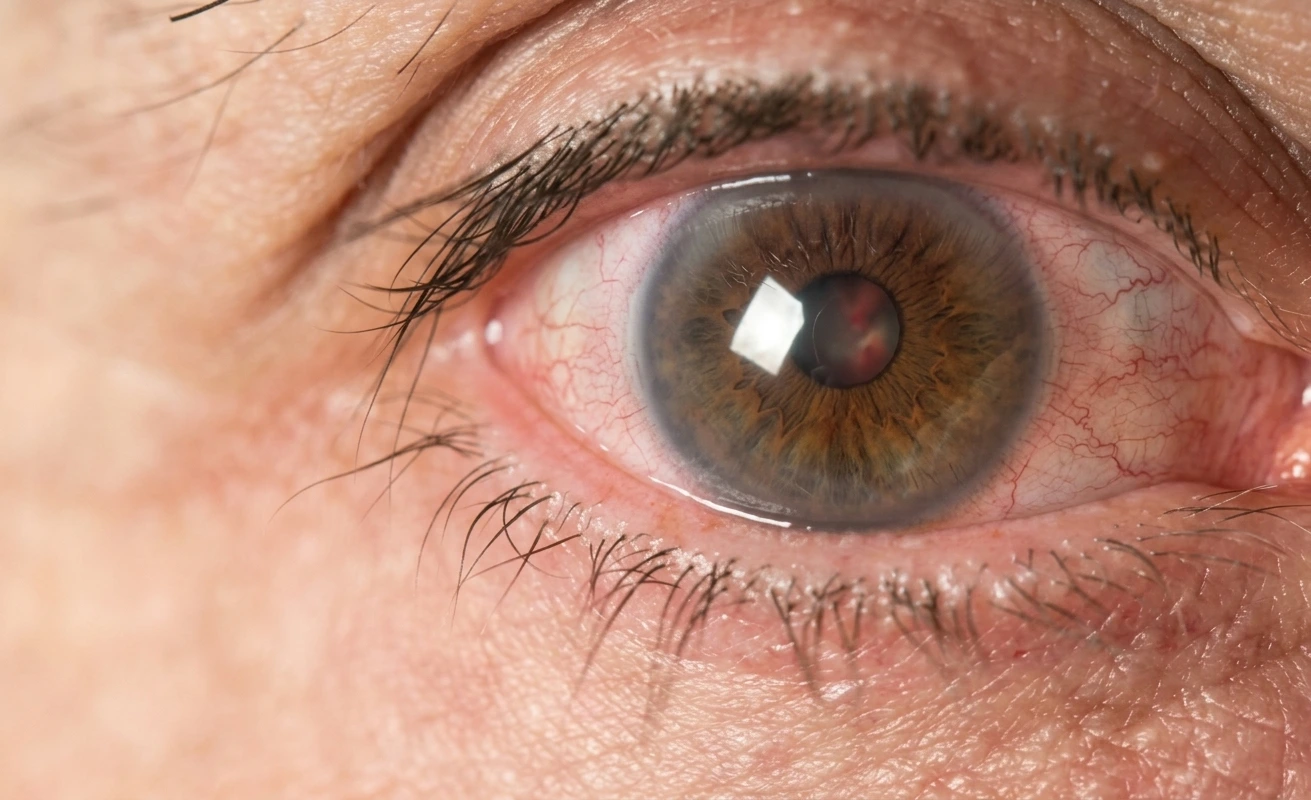
Common symptoms may include:
- Red eyes.
- Stinging or burning sensations.
- Watery eyes.
- Itchy eyes.
- A gritty sensation, as if there is sand in the eye.
- Increased sensitivity to light.
- Temporary blurred or uncomfortable vision.
- Irritation of the eye surface.
Larger ash particles may also enter the eye as foreign bodies and potentially scratch the cornea. Therefore, eye symptoms following volcanic ash exposure should not be taken lightly, especially if pain or vision problems persist.
Why Does Volcanic Ash Irritate the Eyes?
Volcanic ash consists of fine particles produced by volcanic activity. These particles can be carried by the wind and enter the eyes. When ash particles come into contact with the eye surface, they can cause mechanical irritation. The eyes may respond by producing more tears to help flush out the irritating particles.
In addition to ash particles, certain volcanic gases can also irritate the eyes. Exposure to volcanic gases and particles may cause irritation of the eyes, nose, and throat. For this reason, protecting the eyes is important during ashfall.
What Are the Symptoms of Volcanic Ash Exposure to the Eyes?
Symptoms can vary depending on the level and duration of exposure.
Signs to watch for include:
- Red eyes.
- Persistent watery eyes.
- Stinging or burning sensations.
- A gritty sensation, as if sand has entered the eye.
- Discomfort around the eyelids.
- Increased sensitivity to light.
- Blurred vision.
- Eye pain.
If the symptoms are limited to mild irritation and improve after moving away from the source of exposure, they may be temporary. However, persistent symptoms or symptoms accompanied by vision changes require further evaluation by an eye doctor.
What Should You Do If Volcanic Ash Gets Into Your Eyes?
If volcanic ash gets into your eyes, the first step is to avoid further exposure.
The following measures can help:
1. Move away from areas with heavy ash exposure
Go indoors and close doors and windows to reduce the amount of ash entering the building. The CDC also recommends staying indoors when conditions allow during periods of volcanic ash exposure.
2. Do not rub your eyes
Rubbing the eyes can cause ash particles to move across the surface of the eye, potentially worsening irritation or causing scratches to the cornea.
3. Rinse the eyes properly
If there are foreign particles in the eye, avoid trying to remove them with your fingers or other objects.
The eyes can be rinsed with an appropriate eye-rinsing solution to help remove irritating particles. If discomfort persists after rinsing, an eye examination is recommended.
4. Remove contact lenses
If you wear contact lenses and develop eye irritation after volcanic ash exposure, remove your contact lenses and wear glasses temporarily. Dust and airborne particles can make contact lens wear more uncomfortable and may increase irritation of the eye surface.
How Can You Protect Your Eyes from Volcanic Ash?
Prevention is important during ashfall. If you need to go outdoors, wear appropriate eye protection, such as goggles, which can help prevent ash particles from entering the eyes. The CDC specifically recommends goggles to protect the eyes from volcanic ash.
You should also:
- Limit outdoor activities.
- Keep doors and windows closed.
- Avoid areas with heavy ash exposure.
- Avoid touching or rubbing your eyes with dirty hands.
- Use appropriate respiratory protection when outdoors.
- Follow official information and guidance from the government and local authorities.
Regular glasses may provide some protection from direct exposure to dust and particles. However, goggles provide more appropriate eye protection when there are high levels of airborne volcanic ash.
Can Volcanic Ash Scratch the Cornea?
Yes.
Volcanic ash can be abrasive. Particles that enter the eye may rub against the corneal surface and cause a corneal abrasion, or scratch.
This can cause:
- Significant eye discomfort or pain.
- Excessive tearing.
- Increased sensitivity to light.
- A sensation that something is stuck in the eye.
- Blurred vision.
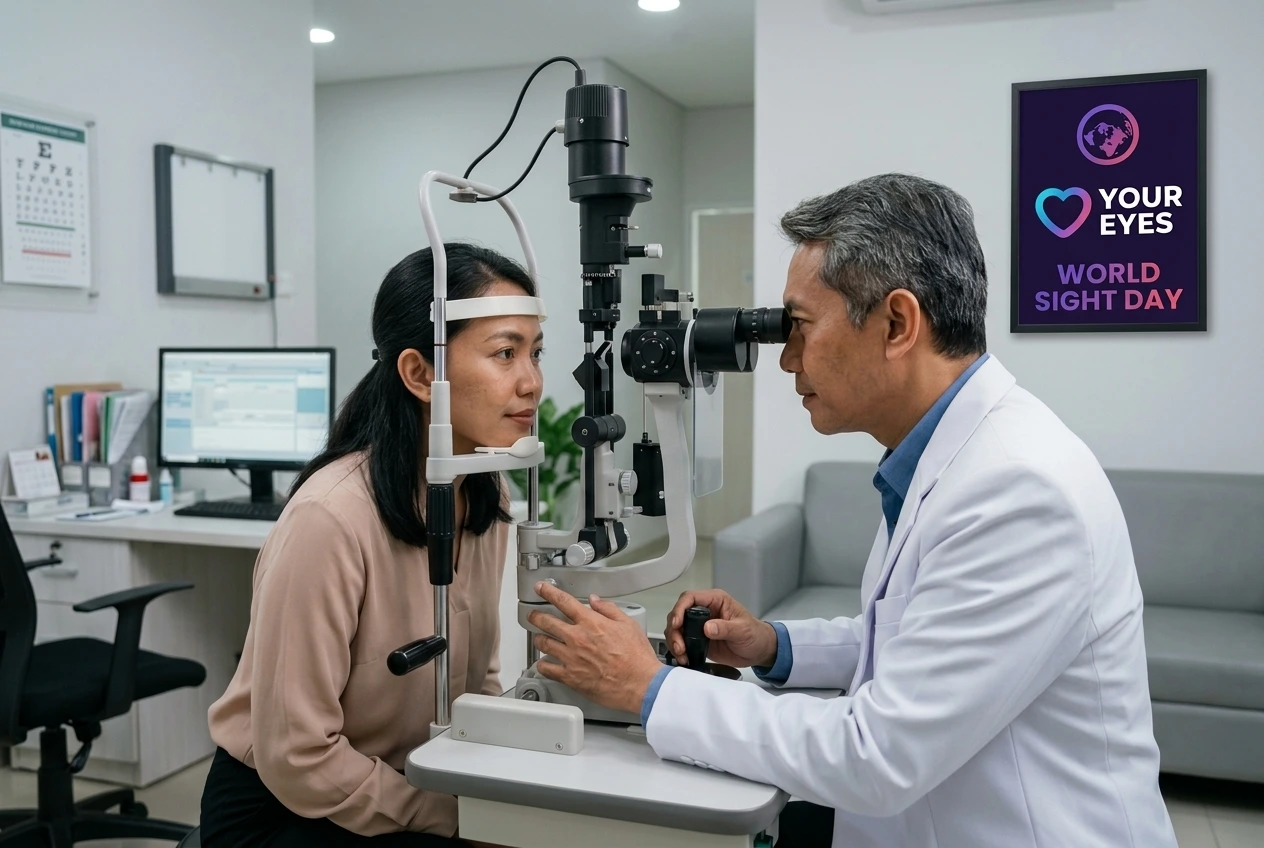
If you suspect that your cornea has been scratched, avoid rubbing your eyes and seek an examination from an ophthalmologist.
When Should You Have Your Eyes Examined After Volcanic Ash Exposure?
Not every exposure to volcanic ash causes serious eye injury. However, an eye examination is recommended if symptoms do not improve or if more severe symptoms develop.
Seek medical attention promptly if you experience:
- Significant eye pain.
- Blurred or decreased vision.
- Severe sensitivity to light.
- Persistent eye redness.
- Continued excessive tearing.
- A persistent foreign-body sensation.
- A history of direct contact between ash particles and the eye.
- Symptoms that continue after moving away from the ash exposure.
The CDC also recommends seeking medical attention if irritation following volcanic exposure continues.
Is Volcanic Ash Dangerous to the Eyes?
Volcanic ash can cause eye irritation and, in some cases, larger particles may scratch the surface of the cornea. The risk depends on the level of exposure and environmental conditions.
Therefore, minimizing exposure and protecting the eyes are key measures during volcanic ashfall.
Is It Safe to Rub Your Eyes After Volcanic Ash Gets Into Them?
It is best not to.
Rubbing the eyes can cause ash particles to move across the surface of the eye, increasing the risk of irritation or corneal scratches.
Can You Wear Contact Lenses During Volcanic Ashfall?
It is best to avoid wearing contact lenses when the air contains significant amounts of volcanic ash, particularly if your eyes are already irritated.
If your eyes feel irritated, red, or as though something is stuck in them, remove your contact lenses and wear glasses temporarily.
Can Glasses Protect Your Eyes from Volcanic Ash?
Glasses can provide some protection, but the CDC recommends goggles for eye protection when exposure to volcanic ash is high.
Whenever possible, remain indoors and keep doors and windows closed to reduce exposure.
Are Red Eyes After Volcanic Ash Exposure Dangerous?
Red eyes can occur as a result of irritation following exposure to volcanic ash. However, red eyes accompanied by pain, vision changes, light sensitivity, or symptoms that do not improve should be evaluated by an ophthalmologist.
Conclusion
Volcanic ash can cause various eye problems, ranging from redness, watery eyes, stinging, and itching to a gritty sensation, as if there is sand in the eye. Because volcanic ash particles can be abrasive, exposure may also cause scratches or abrasions on the corneal surface.
The best ways to protect your eyes are to minimize exposure, remain indoors whenever conditions allow, avoid rubbing your eyes, and wear goggles if you need to be in an area affected by volcanic ash.
If your eyes become severely painful, your vision is affected, you develop significant light sensitivity, or your symptoms do not improve after volcanic ash exposure, seek an eye examination promptly to ensure that there is no injury to the surface of the eye.
Reference:
Kementerian Kesehatan Republik Indonesia. Hindari Abu Vulkanik, Masyarakat Disarankan Tidak Banyak Keluar Rumah.
Kementerian Kesehatan Republik Indonesia. Kemenkes Siagakan 413 Rumah Sakit dan 830 Puskesmas Hadapi Dampak Erupsi Anak Krakatau.
Centers for Disease Control and Prevention (CDC). Safety Guidelines: During a Volcanic Eruption.
Centers for Disease Control and Prevention (CDC). Health Effects of Volcanic Air Pollution.
Centers for Disease Control and Prevention (CDC). Volcanoes and Your Safety.