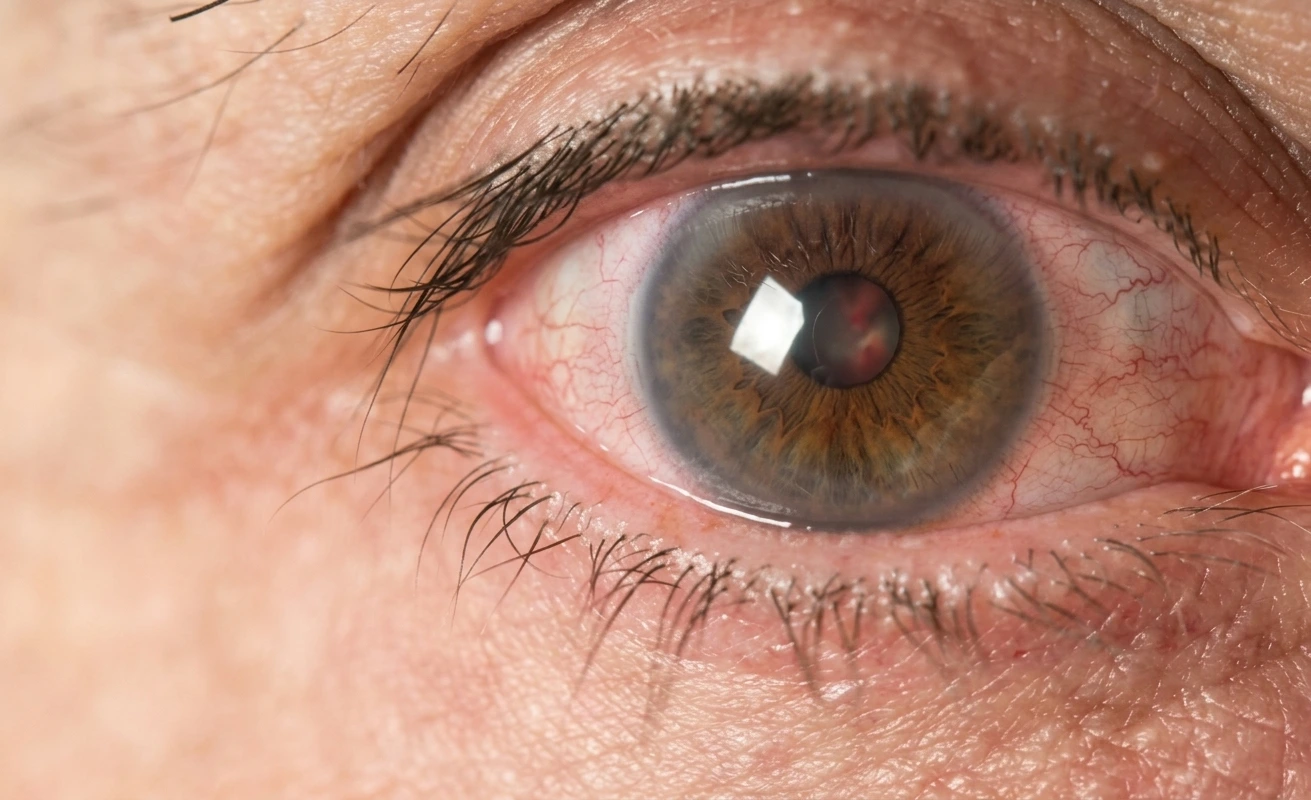
Red eyes occur when the blood vessels on the surface of the eye become more visible, causing the white part of the eye to appear red. This condition may result from irritation, dry eyes, allergies, infections, or disorders affecting the cornea or the inside of the eye.
Although red eyes are often considered a minor problem, they should not be ignored. If the redness does not improve or is accompanied by eye pain, light sensitivity, or blurred vision, you should consult an ophthalmologist as soon as possible.
Why Do Eyes Become Red?
The eyes appear red when the blood vessels on the surface of the eye become dilated or inflamed. Various factors can trigger this response, ranging from exposure to dust and dry air to infections and inflammation affecting different eye structures.
Because the underlying causes vary, not every case of red eyes can be treated with the same eye drops.
Below are seven common causes of red eyes.
1. Dry Eye Disease
Dry eye disease can make the eyes feel uncomfortable and appear red. It occurs when the eyes do not produce enough tears or when the quality of the tear film is impaired.
In addition to redness, symptoms may include:
- A gritty or foreign body sensation
- Stinging or burning eyes
- Eye fatigue
- Blurred vision
- Light sensitivity
- Excessive tearing
2. Conjunctivitis
Conjunctivitis is an inflammation of the conjunctiva, the thin membrane that covers the white part of the eye and the inside of the eyelids. It may be caused by viruses, bacteria, or allergies.
Common symptoms include red eyes, watery eyes, itching, a gritty sensation, and eye discharge. Certain types of infectious conjunctivitis are also contagious.
A systematic review on conjunctivitis found that clinical symptoms alone are not always sufficient to accurately distinguish between viral and bacterial conjunctivitis. Therefore, antibiotic eye drops should not be used without an appropriate medical evaluation.
3. Eye Allergies
Red eyes accompanied primarily by itching are often associated with eye allergies. Symptoms usually affect both eyes and may also include watery eyes and swollen eyelids.
Exposure to dust, dust mites, pollen, or other allergens can trigger an allergic reaction. Rubbing the eyes may worsen irritation and discomfort.
4. Blepharoconjunctivitis
Blepharoconjunctivitis is an inflammation involving both the eyelids and the conjunctiva, causing the eyes to appear red.
Other symptoms may include:
- Swollen eyelids
- Crusting around the eyelashes
- A gritty sensation
- Watery eyes
- General eye discomfort
This condition may become chronic or recur frequently, making evaluation and treatment by an ophthalmologist important.
5. Keratitis or Corneal Disorders
Red eyes accompanied by eye pain, light sensitivity, and reduced vision require immediate attention.
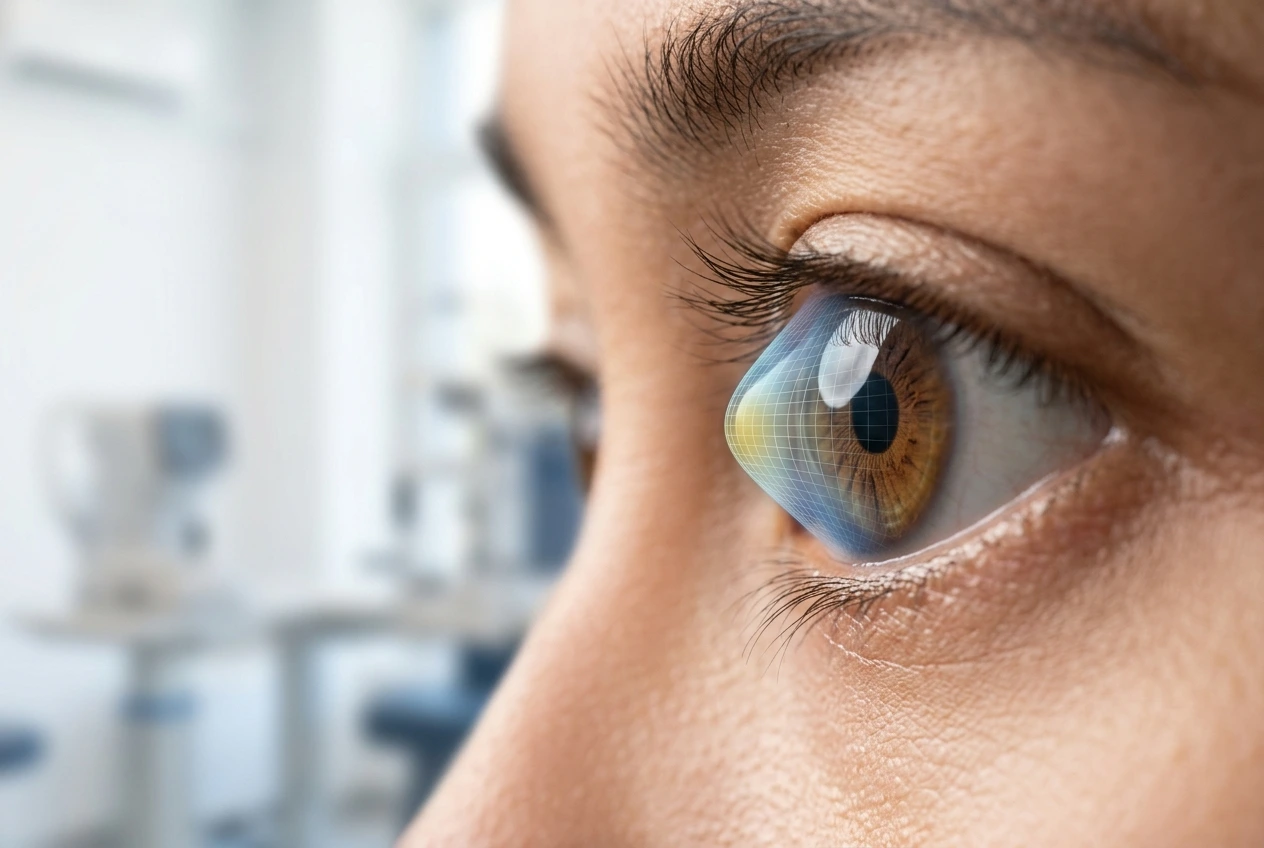
One possible cause is keratitis, an inflammation of the cornea. The cornea is the clear front surface of the eye and plays a vital role in vision.
Corneal disorders may result from infections, injuries, or other medical conditions. Contact lens wearers should be especially cautious if they experience red eyes together with pain or decreased vision.
6. Uveitis
Uveitis is an inflammation of the uvea, the middle layer of the eye.
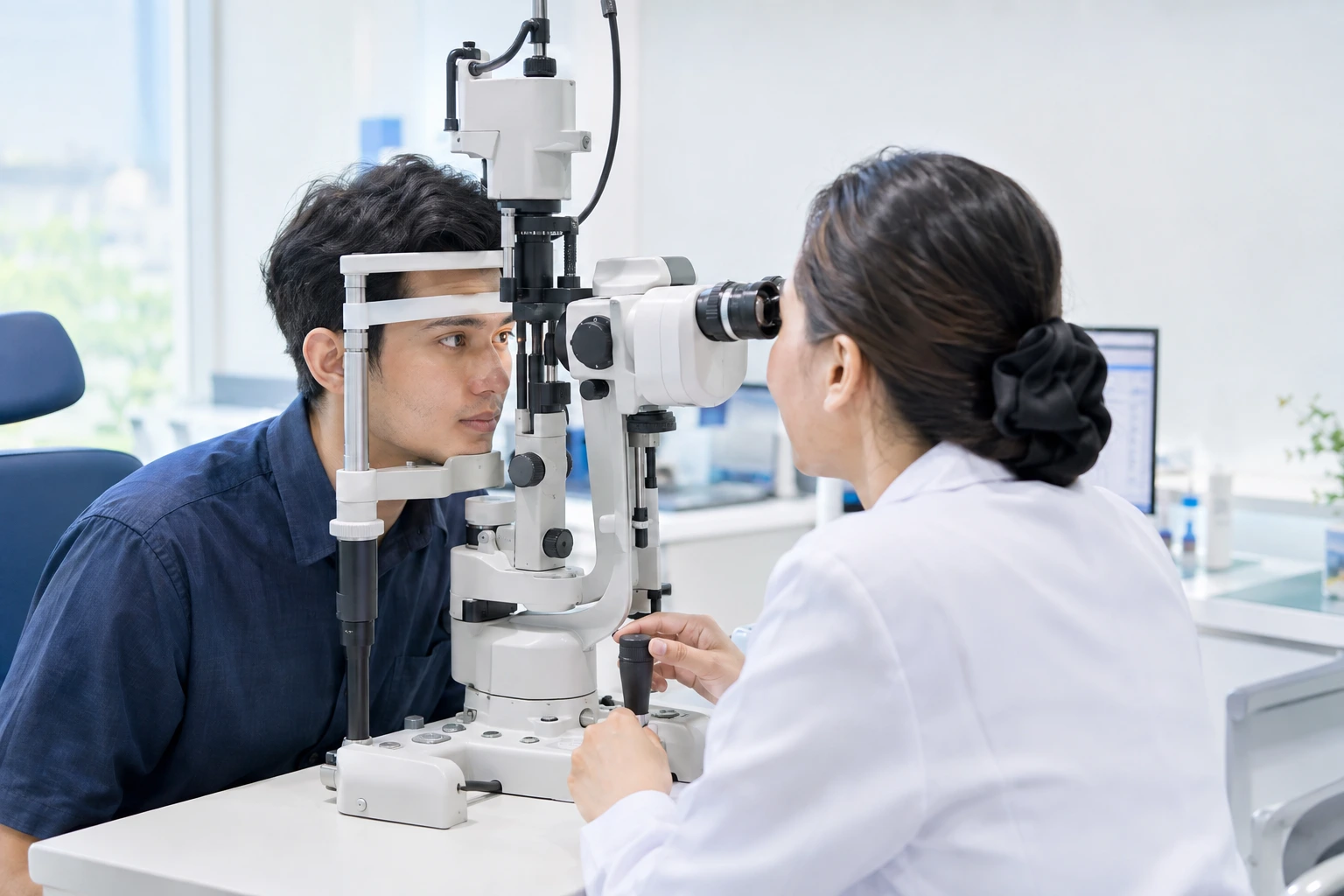
Because uveitis can affect vision, a comprehensive eye examination is needed to determine the specific type and the most appropriate treatment.
Red eyes associated with pain and light sensitivity should never be assumed to be simple irritation.
7. Acute Angle-Closure Glaucoma
In some cases, red eyes may indicate an eye emergency.
Acute angle-closure glaucoma causes a rapid increase in intraocular pressure and requires immediate medical treatment to prevent permanent vision loss.
Is One Red Eye Dangerous?
A red eye affecting only one eye is not always a serious condition. It may result from mild irritation, dry eye disease, or a surface eye infection, which generally does not cause significant vision problems.
However, immediate medical attention is necessary if one red eye is accompanied by:
- Sudden vision loss
- Severe eye pain
- Light sensitivity
- Nausea or vomiting
These symptoms may indicate an eye emergency that requires prompt evaluation by an ophthalmologist.
On the other hand, if the redness is mild, painless, and not associated with vision changes, it is usually not an emergency. Nevertheless, an eye examination is still recommended if the symptoms persist for several days or continue to recur.
Why Won’t Red Eyes Go Away?
Persistent or recurrent red eyes often occur because the underlying cause has not been identified or treated appropriately.
For example, red eyes caused by allergies require different treatment from those caused by infections, dry eye disease, blepharitis, or corneal disorders.
Using inappropriate eye drops may not resolve the underlying problem. Therefore, if redness persists, a comprehensive eye examination is necessary to identify the affected part of the eye and determine the correct treatment.
Can You Use Eye Drops for Red Eyes?
The appropriate eye drops depend on the cause of the redness.
Not every case requires antibiotic eye drops. A systematic review published in JAMA concluded that conjunctivitis has various causes and treatment should always be tailored to the underlying condition.
Avoid using prescription eye drops that belong to someone else or using certain eye medications for prolonged periods without medical supervision.
When Should You See an Ophthalmologist Immediately?
Seek immediate medical attention if red eyes are accompanied by:
- Moderate to severe eye pain
- Blurred or decreased vision
- Light sensitivity (photophobia)
- Severe redness
- Eye injury or a foreign object in the eye
- Chemical exposure
- Symptoms following an eye procedure or surgery
- Red eyes with pain in contact lens wearers
Clinical literature on red eye identifies moderate to severe pain, photophobia, significant redness, and reduced visual acuity as warning signs that require further evaluation.
Don’t Assume Every Red Eye Is Just Irritation
Red eyes may be caused by relatively mild conditions such as irritation. However, they can also result from dry eye disease, conjunctivitis, blepharitis, keratitis, uveitis, or acute glaucoma.
Always pay attention to accompanying symptoms.
If your eyes become painful, sensitive to light, or your vision decreases, do not wait for the symptoms to improve on their own.
If your red eyes persist or continue to recur, schedule an examination with an ophthalmologist to identify the underlying cause and receive the appropriate treatment.
FAQ About Red Eyes
Persistent red eyes may be associated with dry eye disease, allergies, blepharitis, infections, or inflammation affecting other parts of the eye. An eye examination is necessary to determine the underlying cause.
No. Red eyes may also result from dry eyes, allergies, irritation, and many other eye conditions.
Eye drops should be selected based on the underlying cause of the redness. Not every case requires the same type of eye drops.
Red eyes require immediate medical evaluation if they are accompanied by moderate to severe pain, light sensitivity, blurred vision, eye injury, or chemical exposure.
Referensi:
National Eye Institute. Eye Conditions and Diseases.
National Eye Institute. Corneal Conditions.
National Eye Institute. Blepharitis.
Azari AA, Barney NP. Conjunctivitis: A Systematic Review of Diagnosis and Treatment. JAMA. 2013.
Gilani CJ, et al. Differentiating Urgent and Emergent Causes of Acute Red Eye for the Emergency Physician. West J Emerg Med. 2017.
Kilduff C, Lois C. Red Eyes and Red-Flags: Improving Ophthalmic Assessment and Referral in Primary Care. BMJ Quality Improvement Reports. 2016.
Medically reviewed by: dr. Rahayu Widhyasti, Sp.M