What Is LASIK?
LASIK is a refractive surgery procedure that reshapes the cornea using a laser to help light focus more accurately on the retina, resulting in clearer vision.
This procedure can reduce dependence on glasses or contact lenses, but it does not guarantee perfect vision or freedom from glasses for life. Eligibility and outcomes vary from person to person, so a comprehensive eye examination is necessary before making a decision.
What Refractive Errors Can LASIK Correct?
LASIK can help correct myopia (nearsightedness), hyperopia (farsightedness), and astigmatism (cylindrical refractive error). However, LASIK does not correct presbyopia, an age-related difficulty with near vision. As a result, some people may still need reading glasses.
The degree of nearsightedness, farsightedness, or astigmatism alone is not enough to determine whether someone is a suitable candidate for LASIK. Corneal condition, ocular surface health, refractive stability, and overall eye health must also be evaluated.
How Is the LASIK Procedure Performed?
In general, the surgeon creates a thin flap in the cornea, then uses a laser to reshape the underlying corneal tissue according to the planned vision correction. The specific steps and technologies used may vary. Preoperative examinations help the surgeon assess the eyes and plan the procedure.
If you wear contact lenses, ask your doctor when you should stop wearing them before your examination or surgery. Contact lenses can temporarily alter the shape of the cornea, potentially affecting the accuracy of eye measurements.
Why Is an Eye Examination Important, and Who May Not Be a Suitable Candidate?
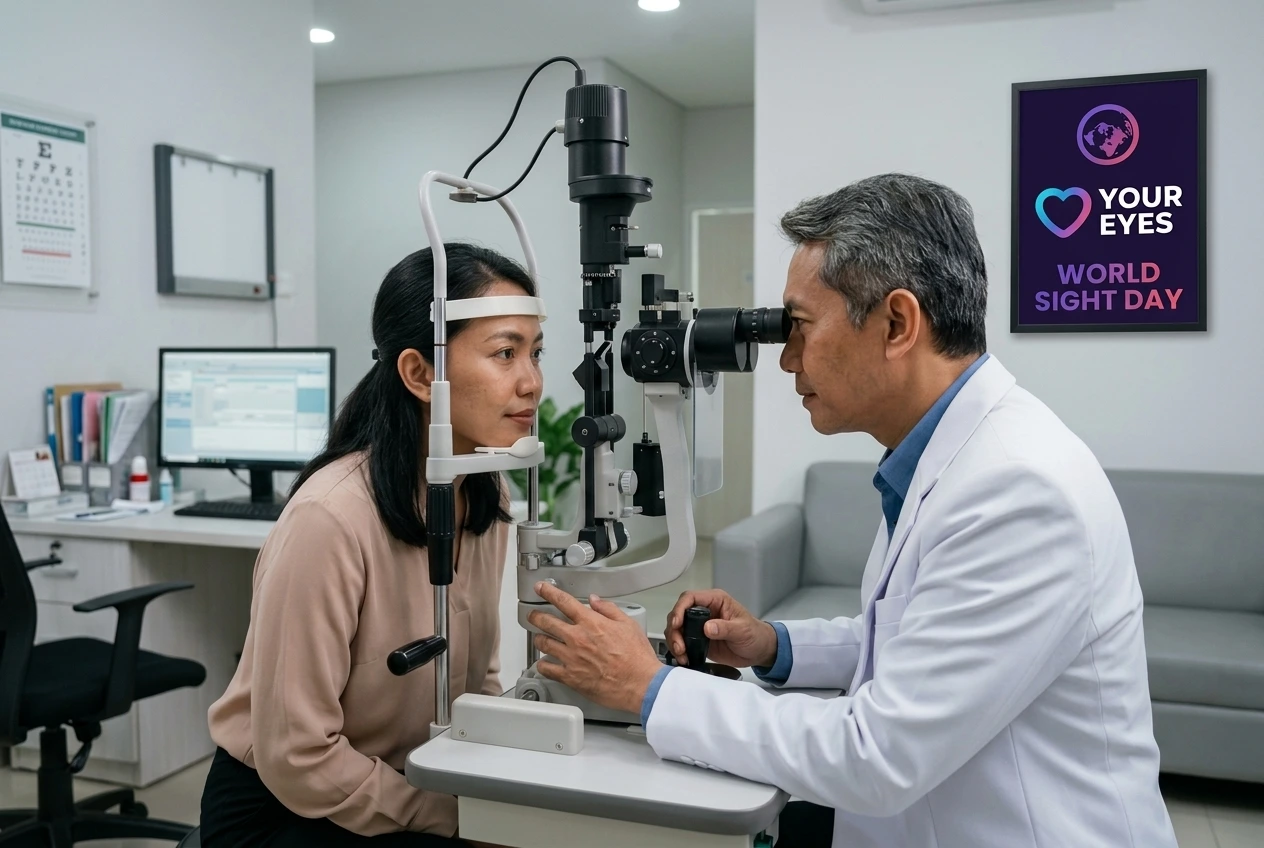
The evaluation may include visual acuity testing, corneal assessment, ocular surface and tear film evaluation, and a comprehensive eye examination. The doctor will also consider whether your refractive prescription is stable and whether any underlying conditions could increase the risks of surgery.
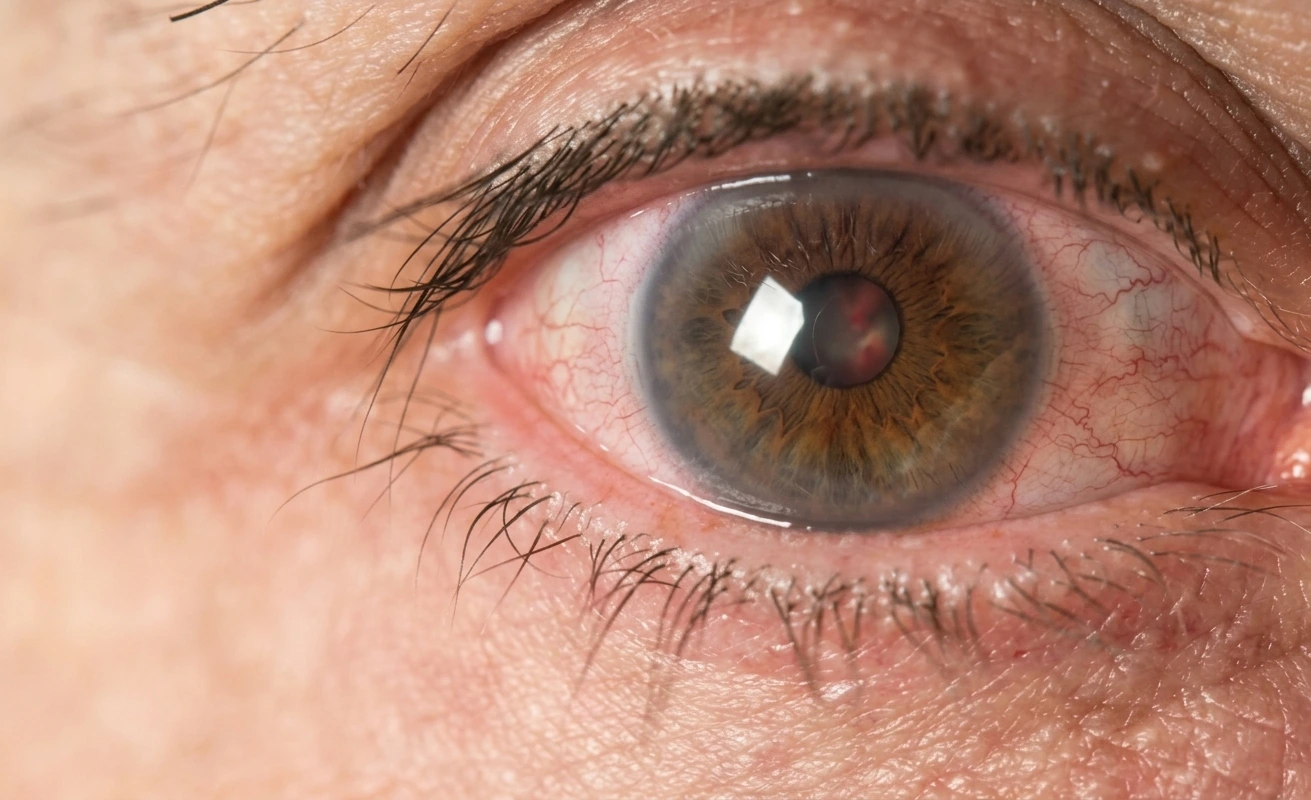
LASIK may not be suitable, or may need to be postponed, in individuals with thin or irregularly shaped corneas, severe dry eye, active infection or inflammation, or other eye conditions such as keratoconus, glaucoma, or cataracts. Depending on the examination results, the doctor may discuss alternative options, including other types of refractive surgery.
Benefits, Limitations, and Risks
One potential benefit of LASIK is reduced dependence on glasses or contact lenses for certain activities. However, outcomes vary among patients, and vision changes may still occur over time. Some individuals may also need reading glasses as they get older.
Possible side effects include dry eyes, glare, light sensitivity, and occasional visual disturbances such as ghosting or shadowed vision. These symptoms often improve over time, but may persist in some individuals. Rare but serious complications include infection, impaired corneal healing, and changes in corneal shape.
Before making a decision, discuss the potential benefits, individual risks, alternatives, and the possibility of outcomes that may not meet your expectations. Do not consider other people’s experiences or claims that LASIK is “safe for everyone” as a guarantee of your own results.
If you are still comparing vision correction options, read our article about [Vision Correction Options Beyond LASIK].
LASIK is one of the available options for correcting refractive errors in patients who meet the medical eligibility criteria. Understand its benefits, limitations, and risks, then discuss the most appropriate option with an ophthalmologist.
Medically Reviewed by: dr. Helda Puspitasari, Sp.M, MARS, FICS
Last Updated: November 10, 2026
Reference:
American Academy of Ophthalmology – LASIK: Laser Eye Surgery
U.S. Food and Drug Administration – LASIK Surgery Checklist