What is Nearsightedness (Myopia)?
Nearsightedness, or myopia, is a vision condition that makes it difficult to see distant objects clearly. It is a common problem that can impact daily activities such as studying, working, and driving. Recognizing the signs early is important for timely eye exams and proper treatment. Understanding the causes can also help maintain long-term eye health.
6 Signs of Nearsightedness You Should Watch For
-
Blurry Vision at a Distance Difficulty seeing writing on the board, traffic signs, or faces from far away due to blurred vision.
-
Frequently Squinting Eyes Squinting to see distant objects is a natural way the body tries to improve focus.
-
Recurring Headaches Staring at far objects for a long time can strain the eyes, leading to headaches.
-
Eyes Get Tired and Sore Quickly After reading, using a computer, or watching for extended periods, eyes may feel fatigued, irritated, or uncomfortable.
-
Difficulty Driving at Night Glare from headlights or trouble seeing the road clearly at night can indicate worsening myopia.
-
Often Bringing Objects Closer to the Eyes Habitually bringing books, screens, or phones very close may signal early signs of nearsightedness.
Factors That Influence the Development of Nearsightedness
-
Genetic Factors Having one or both parents with myopia increases your risk of developing it.
-
Excessive Close Visual Activities Frequent reading or staring at gadgets without breaks can strain eyes and accelerate myopia progression.
-
Lack of Natural Light Exposure Children and teenagers who rarely play outside or get sunlight are more prone to myopia.
-
Environment and Lifestyle Poor lighting when reading, bad posture, and inactive lifestyle can impact eye health.
-
Other Eye Conditions Untreated refractive errors like astigmatism can worsen myopia.
-
Age and Eye Development Myopia often appears during growth phases in childhood and adolescence when the eye shape changes.
Why Early Detection Matters
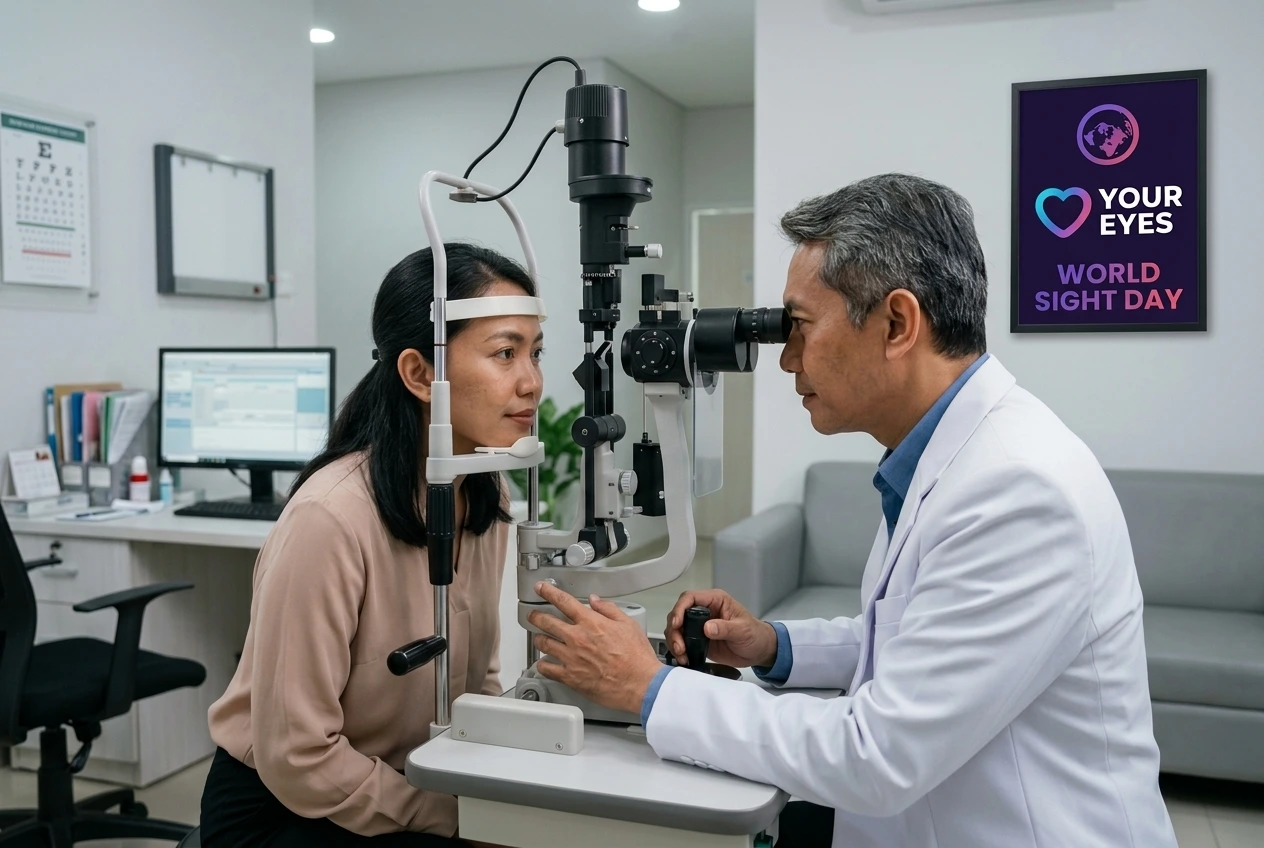
The sooner myopia symptoms are recognized, the sooner proper treatment can begin. Routine eye exams help doctors detect vision changes early and provide correctives such as glasses, contact lenses, or refractive surgery if needed.
You can also maintain eye health by managing screen time, spending more time outdoors, and ensuring proper lighting while working or studying.
Consult Mayapada Eye Centre Today
If you notice any of the symptoms above or want to keep your vision healthy, our specialist eye doctors are ready to help with thorough examinations and tailored solutions.
📍 Visit mayapadaeyecentre.com and click the “Consult Now” button to schedule an appointment.