Undergoing SMILE Pro does not mean that eye health no longer needs attention. The procedure is intended to correct certain refractive errors, but it does not prevent all eye changes that may occur over time. Long-term care still includes follow-up as recommended by your doctor, habits that support eye comfort, and examinations if new symptoms develop.
Why Is It Important to Maintain Eye Health?
SMILE Pro reshapes the cornea to help improve the focus of light. However, conditions such as dry eyes, changes in refractive error, or other eye diseases may still occur. The results of the procedure do not guarantee freedom from all future vision problems. Therefore, changes in vision should not be assessed independently or immediately assumed to be normal effects of the procedure.
Attend Follow-Up Appointments as Recommended by Your Doctor
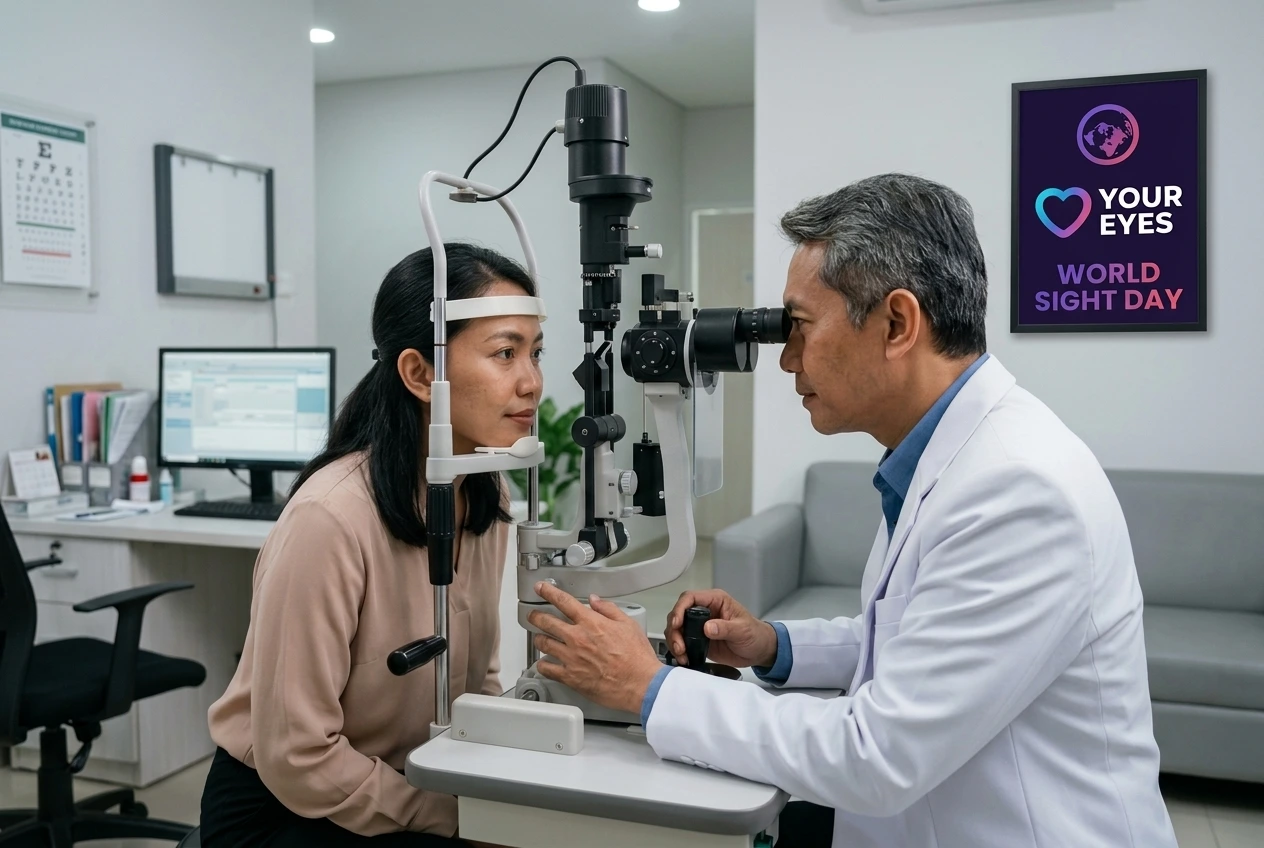
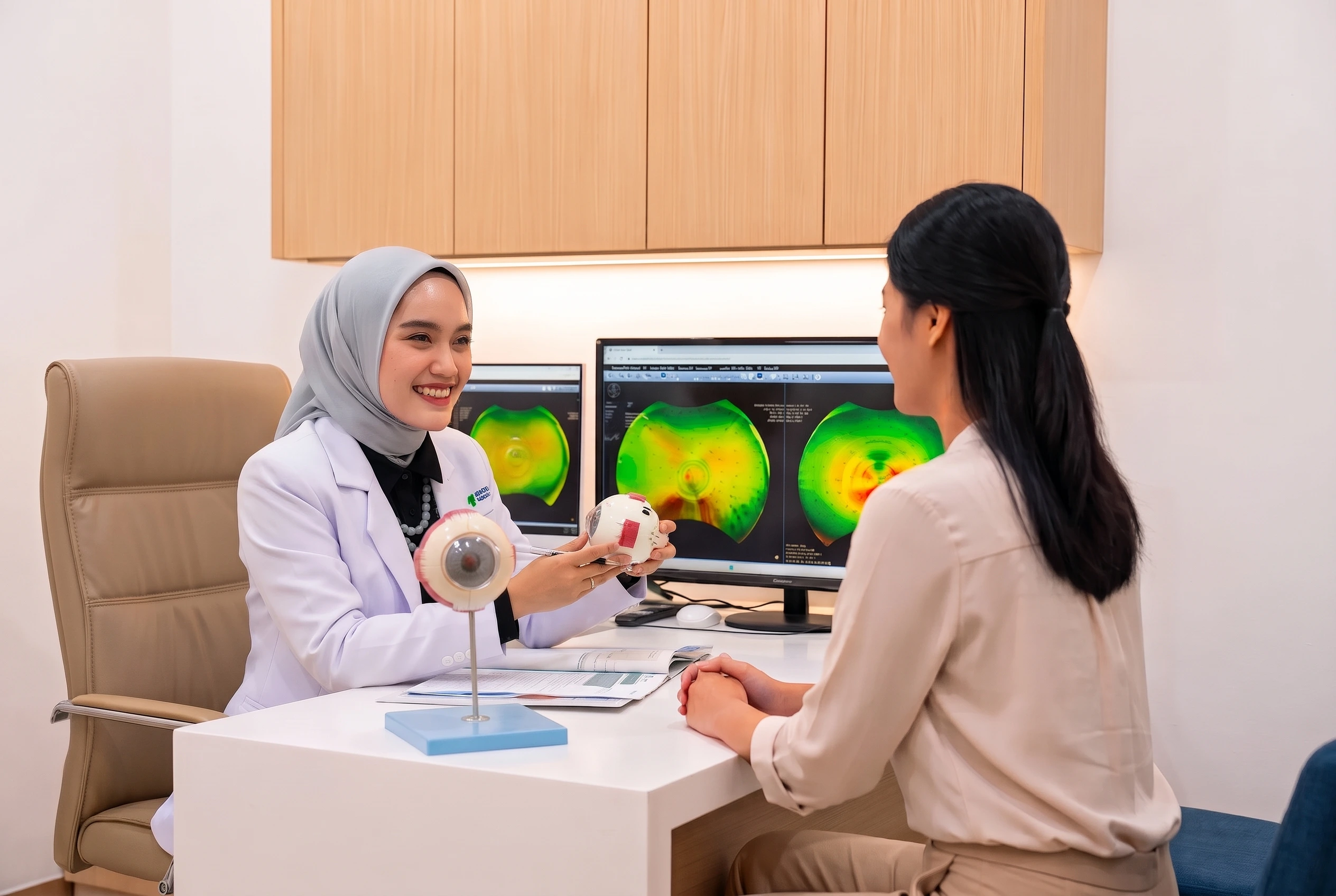
Follow your post-procedure follow-up schedule and ask when further examinations may be necessary. Your doctor can adjust your follow-up care based on examination results, symptoms, and your health condition. Do not skip appointments simply because your vision feels good. If new symptoms develop between scheduled visits, contact your clinic for guidance.
Develop Daily Habits That Support Eye Comfort
- Take breaks when working in front of screens and adjust the lighting to maintain visual comfort.
- Avoid rubbing your eyes. If they feel dry or gritty, discuss appropriate management with your doctor.
- Use appropriate eye protection during activities that involve exposure to dust, splashes, or impact.
- Maintain hand hygiene and follow any eye care instructions that remain applicable.
- Inform your doctor if you develop new health conditions or use medications that may affect your eyes.
These habits can support overall eye comfort and health, but they do not guarantee the prevention of all side effects or complications. Use eye drops or eye care products as directed by a healthcare professional, especially if you are still within the postoperative follow-up period.
What Should You Do If Your Vision Changes?
If your vision becomes blurry again, feels unbalanced, or new symptoms develop, seek an eye examination to determine the cause. Changes may be related to various factors and cannot be identified based on symptoms alone. Sudden vision deterioration, severe pain, worsening redness, or other acute symptoms require immediate evaluation.
Can Nearsightedness Return?
Refractive changes may occur over time. If you notice changes in your vision, do not immediately conclude that the procedure has failed or decide to undergo additional correction on your own. An examination is necessary to determine the cause and identify appropriate options. SMILE Pro also does not prevent all eye conditions associated with aging or general health.
Long-term care after SMILE Pro focuses on follow-up, healthy habits, and paying attention to changes in vision. Eye examinations remain necessary if new symptoms develop, even when the initial results of the procedure are satisfactory. To learn more about available services and vision correction options, visit our [SMILE Pro] page.
Medically reviewed by:
Last updated:
Reference:
National Eye Institute – Keep Your Eyes Healthy
American Academy of Ophthalmology – Eye Exam and Vision Testing Basics