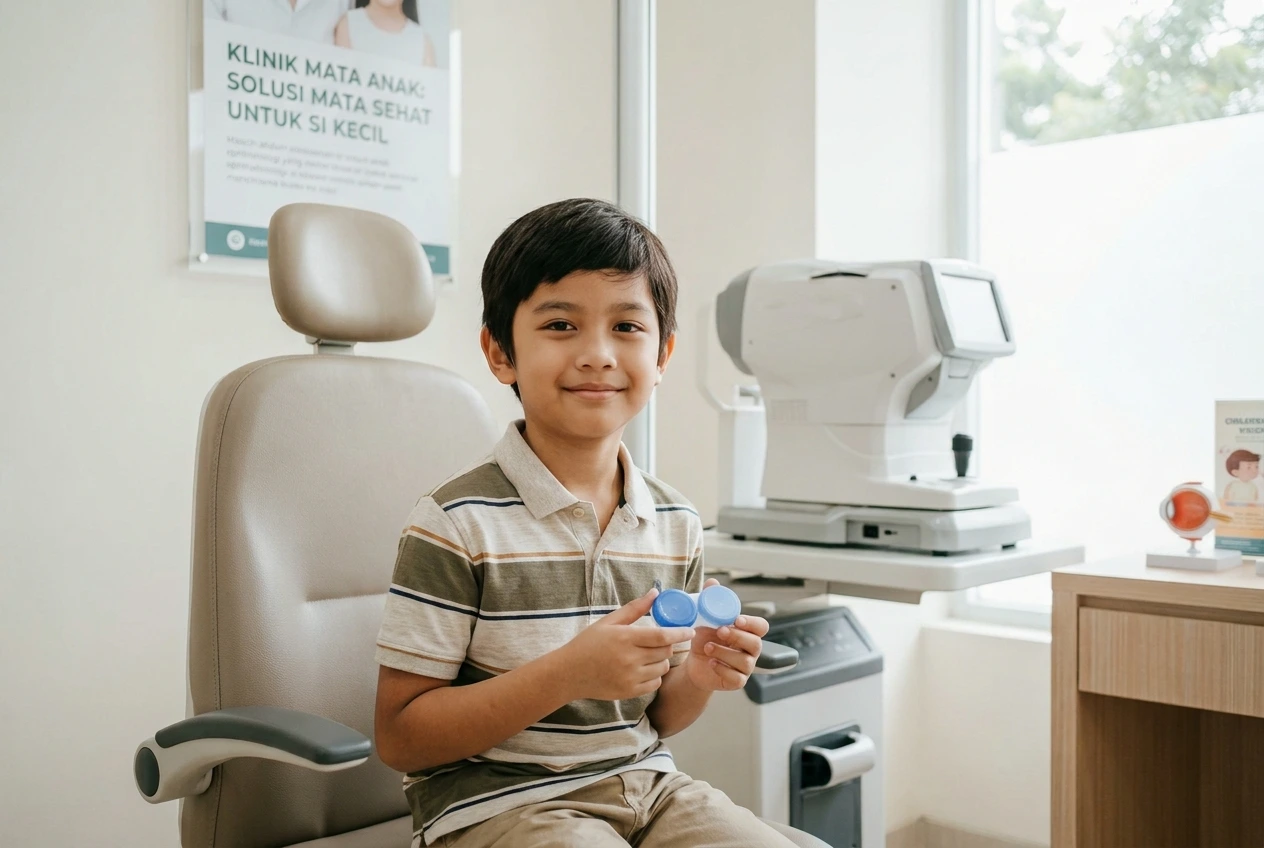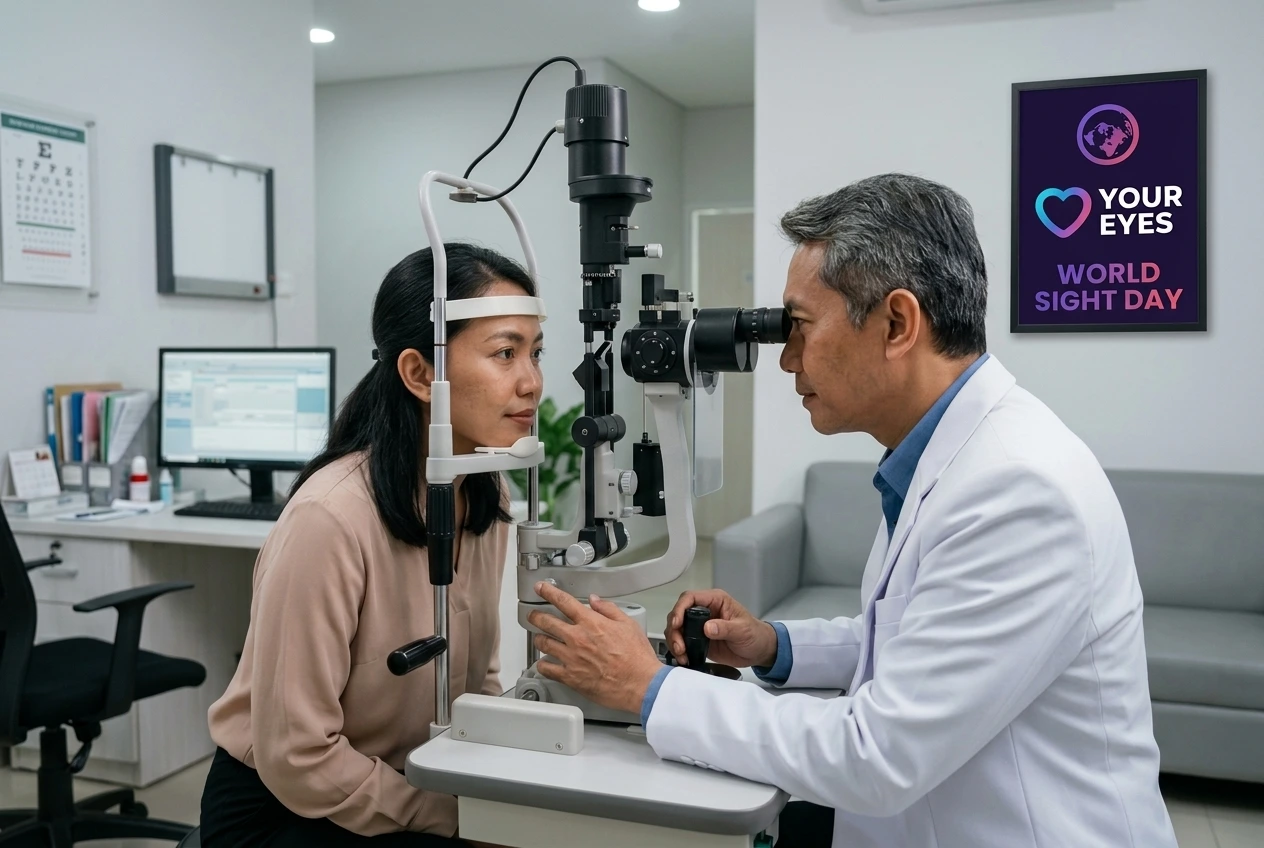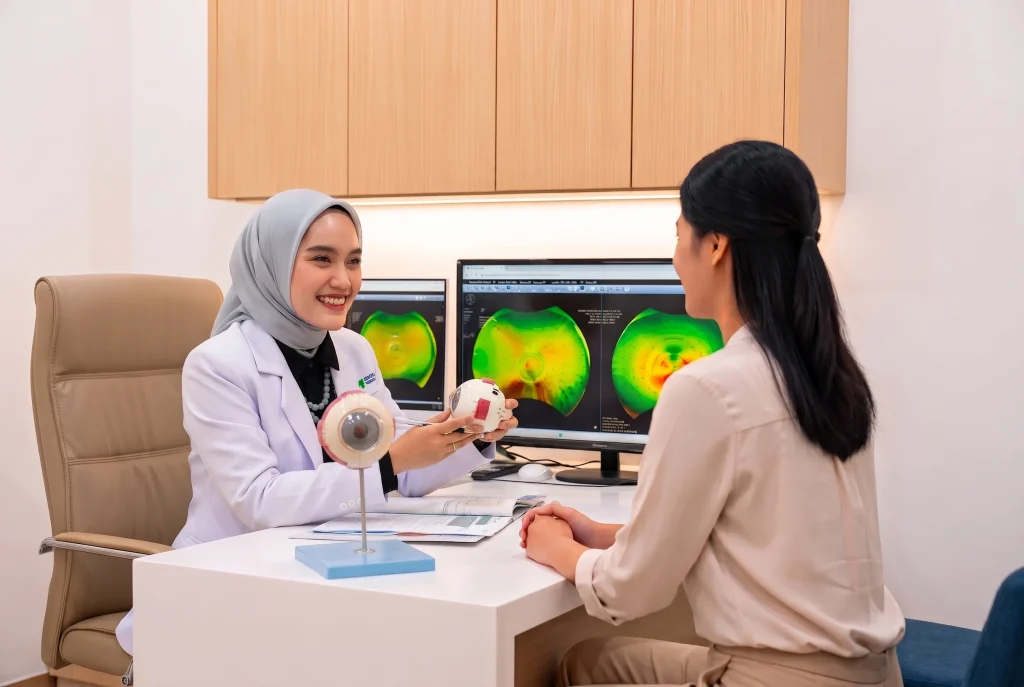
Having nearsightedness or astigmatism does not automatically mean that someone is suitable for SMILE Pro. Eligibility is determined not only by the prescription for glasses but also by refractive stability, corneal condition, eye health, medical history, and other factors. An in-person examination by an ophthalmologist is necessary to determine the most appropriate option.
Why Is an Examination Necessary?
SMILE Pro reshapes the cornea to help improve the focus of light. Because the procedure involves eye tissue, the doctor needs to assess whether the condition of the eyes allows the procedure to be performed and whether the expected benefits outweigh the risks. General eligibility criteria found online cannot be used for self-diagnosis or as a guarantee that someone meets the requirements.
Factors Assessed Before the Procedure
1. Refractive Error
The doctor measures the degree of myopia or astigmatism and assesses whether the prescription has remained relatively stable. Any changes in the prescription over the recent period should be reported, as they may affect the timing of the procedure or the choice of treatment. Do not use diopter ranges found in articles as a personal reference; the applicable limits should be confirmed based on the indications and equipment used.
2. Corneal Shape and Thickness
Corneal examinations help assess the shape, thickness, and other relevant characteristics of the cornea before its tissue is reshaped. Certain findings may lead the doctor to recommend additional examinations, postpone the procedure, or consider another method.
3. Eye Health and Medical History
The doctor needs to know whether you have dry eyes, inflammation, corneal disease, retinal disorders, or a history of previous eye surgery or injury, as well as any general health conditions and medications you use. Pregnancy, breastfeeding, and certain other conditions may also affect eligibility or the timing of the procedure. Provide complete health information and do not stop taking any medication without your doctor’s guidance.
What If I Am Not a Candidate for SMILE Pro?
Not qualifying for one procedure does not mean that no other options are available. Your doctor may recommend postponing the procedure until certain conditions have stabilized, treating existing eye problems first, or discussing alternatives such as glasses, contact lenses, or other refractive surgery procedures, if appropriate. Each method has different indications, benefits, risks, and limitations.
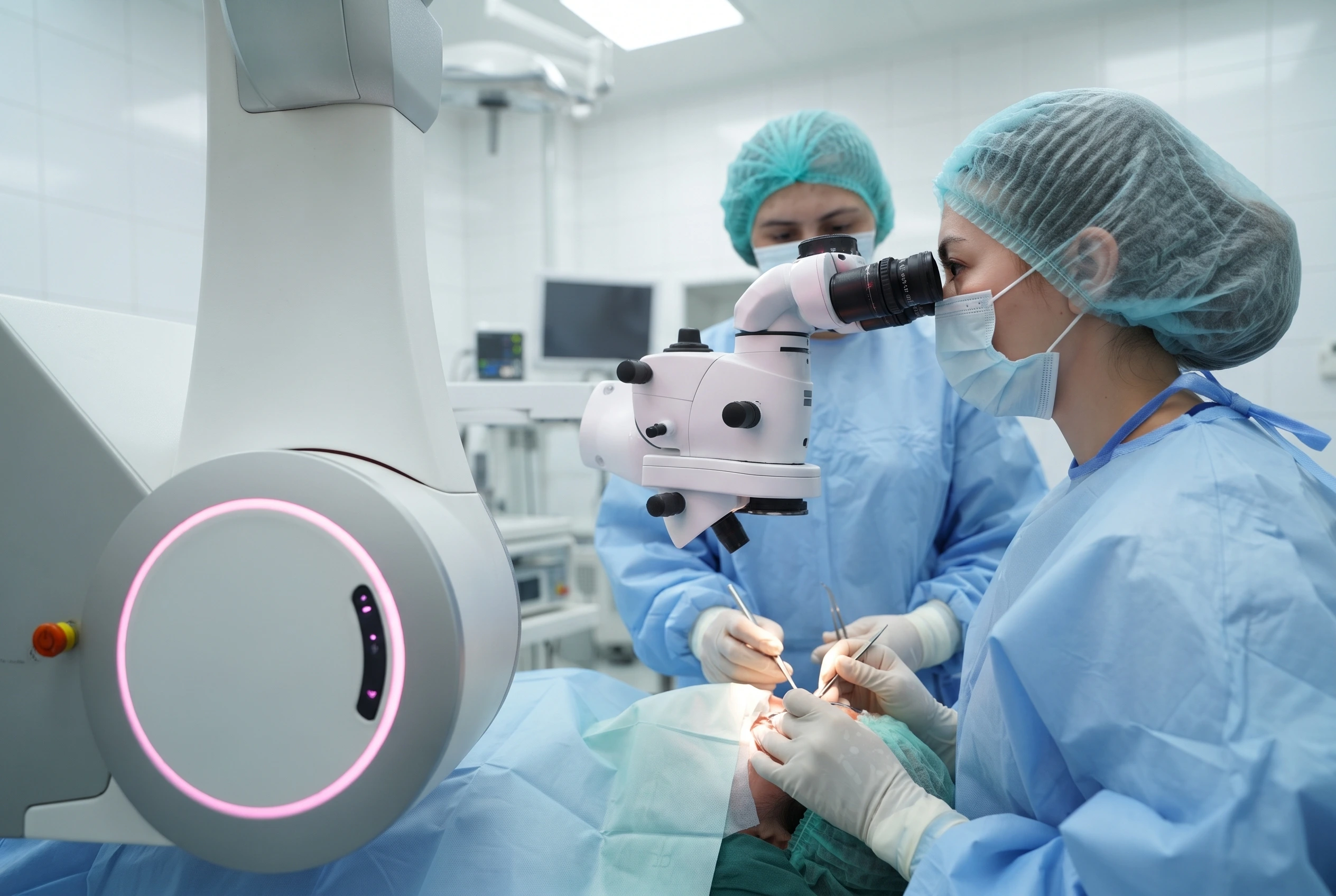
Once you are considered suitable for SMILE Pro, you will proceed to the preparation and treatment stages. Understanding each stage of the surgery can help you know what to expect during the procedure. Learn more in our guide, [SMILE Pro Surgery: What Happens in the Operating Room?].
Medically reviewed by:
Last updated:
Reference:
American Academy of Ophthalmology – Refractive Surgery Preferred Practice Pattern.
Small incision lenticule extraction (SMILE) techniques: patient selection and perspectives (2018).