Jakarta, CNBC Indonesia – As people spend more time looking at the bright screens of digital devices, maintaining good eye health has become increasingly important. Prolonged exposure to screen light can affect visual comfort and overall eye health.
When the eyes become fatigued after extended screen use, they may experience symptoms such as blurred vision, soreness, a gritty sensation, and even headaches. In children, long-term eye problems can also interfere with academic performance and daily learning activities.
According to Ucok P. Pasaribu, Consultant Ophthalmologist at Mayapada Eye Centre, genetic factors played a major role in the development of myopia during the early 2000s. Today, however, the primary contributing factor has shifted toward excessive screen time.
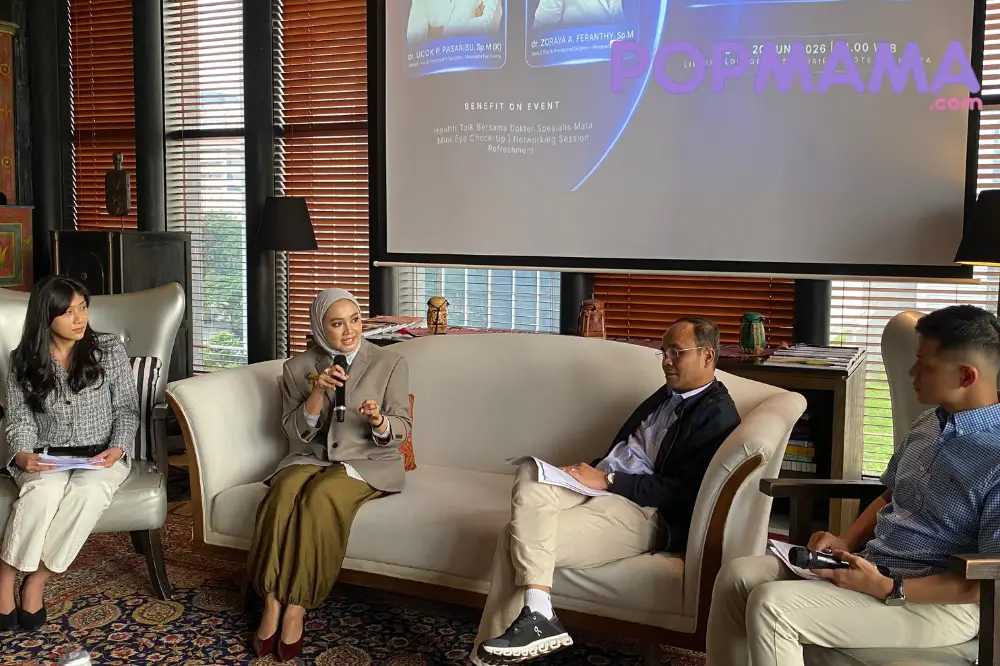
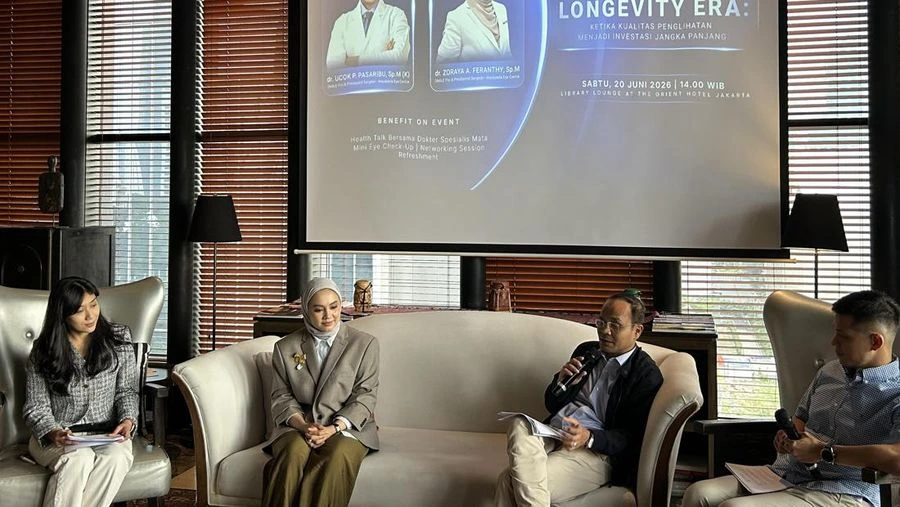
“We are now seeing many children whose parents do not wear glasses, yet the children have severe myopia, requiring prescriptions of -4 or -5 diopters. This reflects the shift of the current era, where children are growing up in a digital world,” said Ucok during the Media Gathering with Mayapada Eye Centre (MEC) at the Library Lounge, The Orient Hotel, Jakarta, on Saturday (June 20, 2026).
As a result, ophthalmologists and parents share the responsibility of educating children about healthy screen time habits. Ideally, every child’s screen time should be adjusted according to their individual needs.
Children with a family history of myopia are generally at a higher risk of developing the condition. However, increased awareness of eye health allows parents to help slow the progression of their children’s myopia.
“We need to support these children before their myopia becomes too severe. Some children tell their parents when they have difficulty seeing, while others do not. The biggest impact is on their education. That is why we need to address anything that affects their learning by ensuring their vision is properly corrected,” he explained.
Based on these concerns, parents are encouraged to take an active role in scheduling regular eye examinations for their children. Protecting children’s eye health is a valuable long-term investment in their growth and development. Without proper attention, declining visual function may eventually affect their quality of life.
For children who already wear glasses, parents should also ensure that the prescription remains accurate. Wearing glasses with an incorrect prescription may negatively affect visual development over time. In the future, this could make it difficult for young adults to meet the vision requirements for admission to certain educational institutions or professional training programs.
Once again, Ucok emphasized that maintaining good eye health should be viewed as a long-term investment. Healthy habits, including eating a balanced diet, getting sufficient rest, and limiting screen time, can significantly influence eye health over the years.
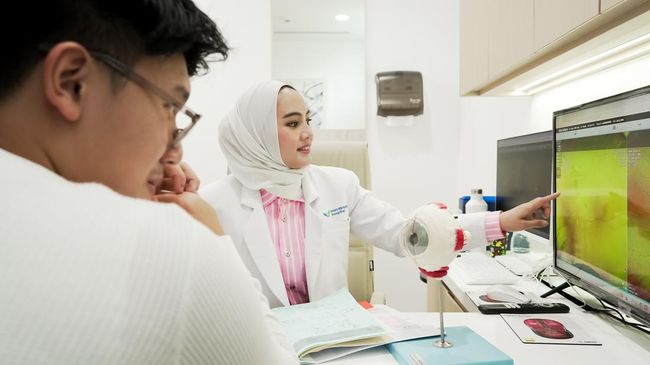
During the same event, Zoraya Ariefia Feranthy, Consultant Ophthalmologist at Mayapada Eye Centre, explained that eye health is important for people of all ages. She encouraged parents to have their children’s eyes examined from infancy to help detect potential problems as early as possible and reduce the risk of future complications.
“Early screening is an essential part of eye care. Equally important is ensuring that people of productive age continue to protect their vision by getting enough rest, maintaining proper nutrition, undergoing regular eye examinations, and raising awareness about the importance of eye health,” she said.
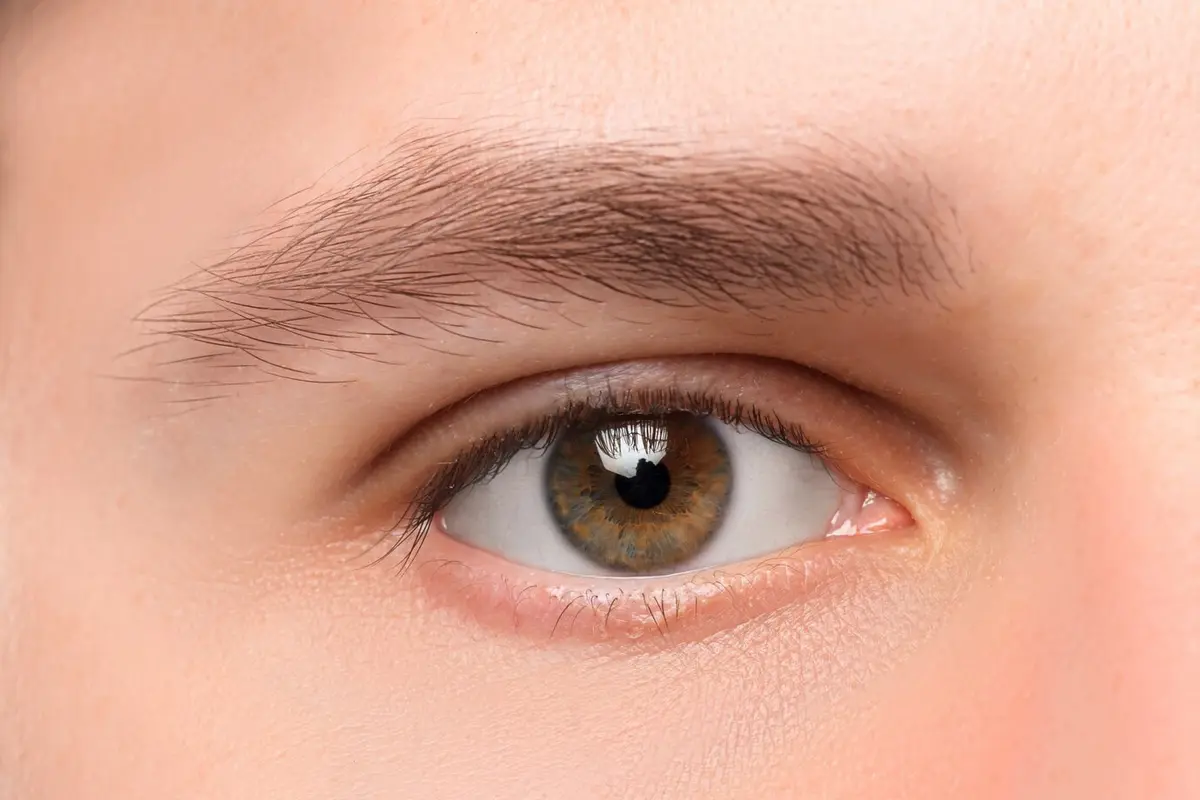
Zoraya also reminded women to pay close attention to their eye health. Many women regularly use eye makeup, wear contact lenses, or undergo eyelid surgery. While these procedures are often performed for cosmetic reasons, they should never compromise eye health.
“It is not just about external aesthetics. We must always prioritize the health of our eyes because clear vision is our window to the world,” she concluded.
Source: Elga Nurmutia, CNBC Indonesia