Find answers to the most frequently asked questions about Ortho-K (Orthokeratology) at Mayapada Eye Centre, including how it works, suitable candidates, benefits for myopia control, treatment costs, and lens care. This information can help you better understand non-surgical vision correction options for both children and adults before consulting with an ophthalmologist.
List of Contents
- 1. What Is Ortho-K?
- 2. How Does Ortho-K Work?
- 3. Who Is a Suitable Candidate for Ortho-K?
- 4. Is Ortho-K Safe?
- 5. Can Ortho-K Be Used for Children?
- 6. Can Ortho-K Stop Nearsightedness from Getting Worse?
- 7. What Is the Difference Between Ortho-K and LASIK?
- 8. Is Wearing Ortho-K Painful?
- 9. How Much Does Ortho-K Cost in Jakarta?
- 10. How Should Ortho-K Lenses Be Used and Maintained?
- 11. What Are the Risks or Side Effects of Ortho-K?
- 12. Where Can I Undergo Ortho-K Treatment in Jakarta?
1. What Is Ortho-K?
Ortho-K (Orthokeratology) is a non-surgical vision correction method that uses specially designed contact lenses worn during sleep to temporarily reshape the surface of the cornea.
After the lenses are removed in the morning, vision may become clearer without the need for glasses or contact lenses during the day.
Ortho-K is commonly used to help correct nearsightedness (myopia) and, in certain cases, mild astigmatism. It may also be part of a myopia control strategy for children.
2. How Does Ortho-K Work?
Ortho-K lenses are designed to be worn overnight during sleep.
While sleeping, the lenses apply controlled pressure to the corneal surface to temporarily reshape it, allowing light to focus more accurately on the retina.
The effect is temporary, so the lenses must be used according to the doctor’s instructions to maintain vision correction results.
3. Who Is a Suitable Candidate for Ortho-K?
Ortho-K may benefit:
– Children with progressively worsening myopia
– Adults with certain levels of myopia
– Patients who want to reduce their dependence on glasses
– Patients who are not suitable candidates for or are not yet ready for LASIK
– Individuals with active lifestyles who want clear daytime vision without glasses
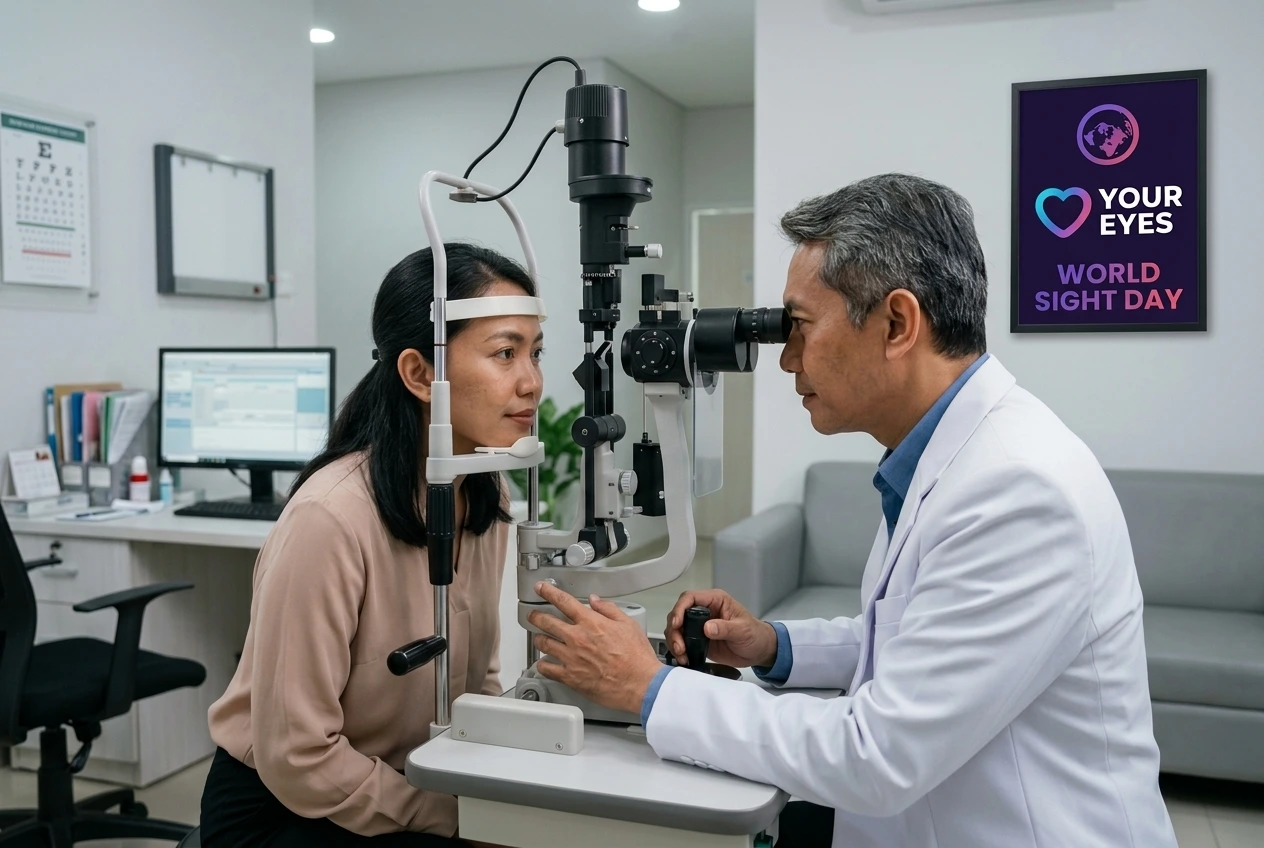
An ophthalmologist will determine eligibility through a comprehensive eye examination.
4. Is Ortho-K Safe?
Ortho-K may be a suitable vision correction option for patients who meet the appropriate medical indications.
However, like other medical contact lens treatments, Ortho-K still carries potential risks, especially if lens hygiene, proper usage, or routine follow-up care are not maintained properly.
The doctor will provide guidance on proper lens use and care.
5. Can Ortho-K Be Used for Children?
Yes, Ortho-K is often considered for children with progressive myopia as part of a myopia management strategy.
However, use in children requires evaluation by an ophthalmologist to determine suitability, lens size, and the readiness of both the patient and parents to follow routine lens care and follow-up appointments.
6. Can Ortho-K Stop Nearsightedness from Getting Worse?
Ortho-K is often used as part of a myopia control strategy, especially for children.
However, each patient may respond differently. The goal of treatment is to help manage myopia progression according to the doctor’s evaluation, rather than guarantee a complete stop in prescription changes for every patient.
7. What Is the Difference Between Ortho-K and LASIK?
Both Ortho-K and LASIK aim to help reduce dependence on glasses, but they use different approaches.
LASIK is a laser-based surgical vision correction procedure that permanently reshapes the cornea, while Ortho-K uses specially designed non-surgical contact lenses with temporary effects.
The best option depends on the patient’s age, eye condition, and visual needs.
8. Is Wearing Ortho-K Painful?
Some patients may require an adaptation period when first using Ortho-K lenses, but the lenses are generally not painful when used correctly.
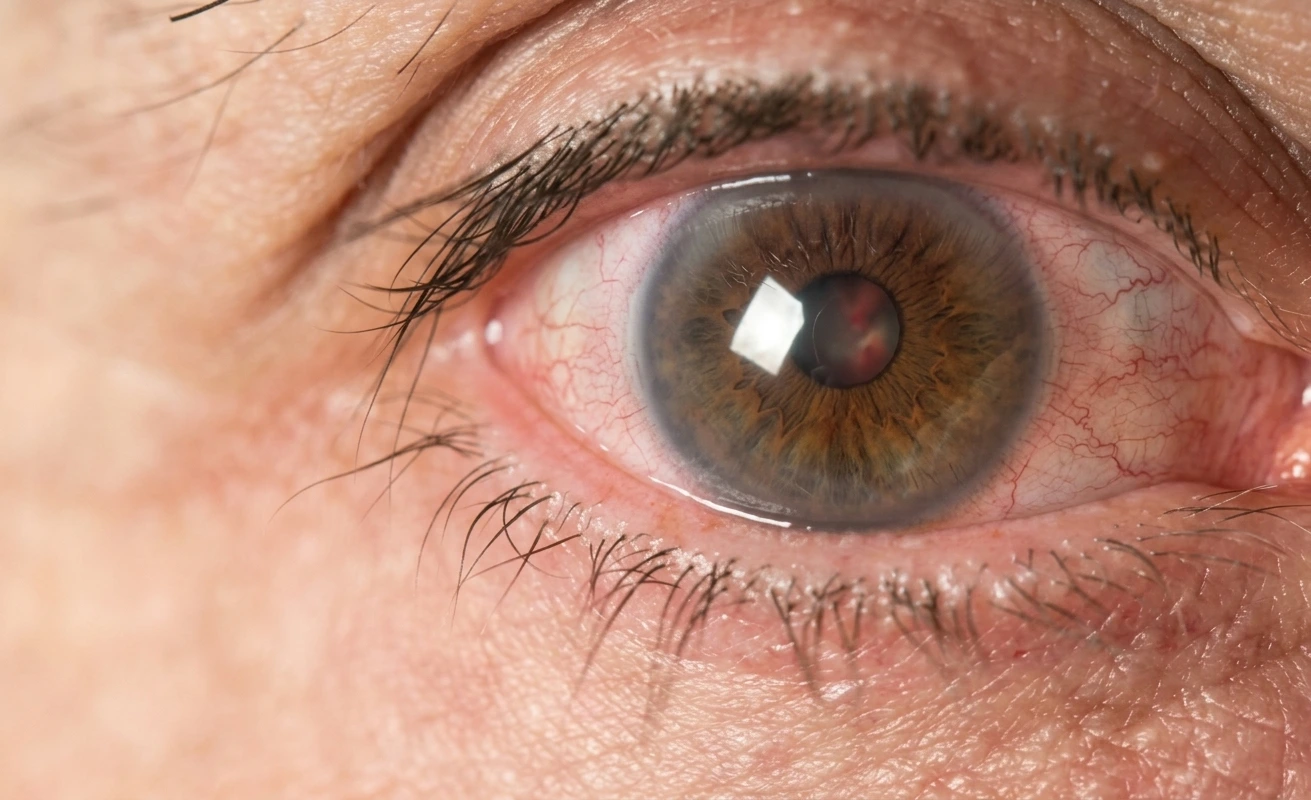
If pain, redness, or unusual vision disturbances occur, patients should consult a doctor immediately.
9. How Much Does Ortho-K Cost in Jakarta?
The cost of Ortho-K at Mayapada Eye Centre may vary depending on the patient’s eye condition, lens type, evaluation requirements, and treatment plan.
To obtain the most accurate estimate for Ortho-K or myopia control treatment costs in Jakarta, patients are advised to undergo a consultation first.
10. How Should Ortho-K Lenses Be Used and Maintained?
Proper lens care plays an important role in maintaining the safety and effectiveness of Ortho-K treatment.
In general, patients should:
– Clean the lenses as instructed
– Wear the lenses according to the doctor’s recommended schedule
– Practice proper hand hygiene before inserting the lenses
– Attend regular follow-up appointments
– Replace the lenses based on the doctor’s recommendations
11. What Are the Risks or Side Effects of Ortho-K?
Like other medical contact lens treatments, Ortho-K carries potential side effects, such as:
– Mild discomfort during the initial adaptation period
– Red eyes
– Dry eyes
– Temporary vision disturbances
– Risk of infection if lens hygiene is not maintained properly
The doctor will explain the potential benefits and risks based on the patient’s condition.
12. Where Can I Undergo Ortho-K Treatment in Jakarta?
Ortho-K is available at Mayapada Eye Centre.
Mayapada Eye Centre
Mayapada Hospital Jakarta Selatan, Tower 2, Lantai 3
Jl. Lebak Bulus I No. 29, Jakarta Selatan
Patients will first undergo a comprehensive eye examination before determining treatment eligibility.