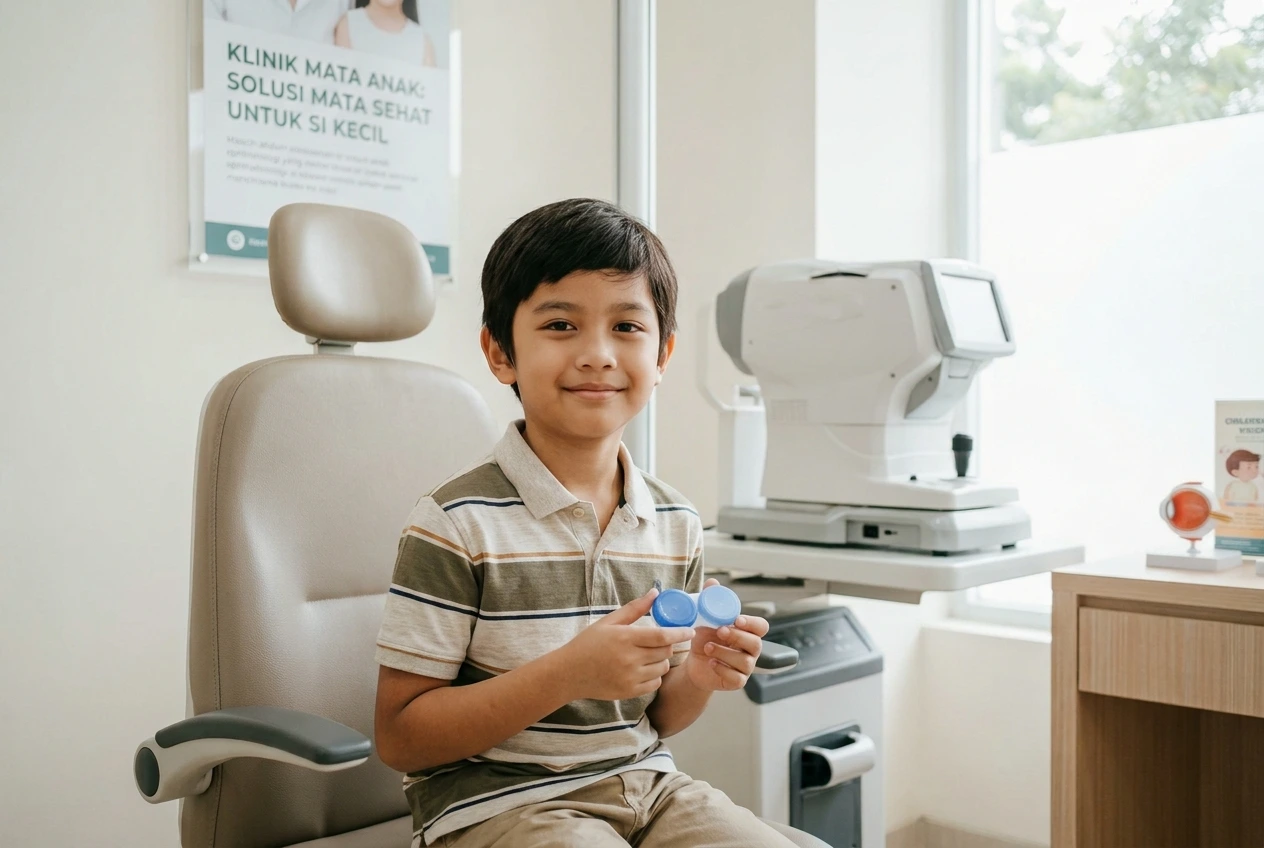
For many people with myopia, wearing glasses or daytime contact lenses can be inconvenient, especially when exercising, spending time outdoors, or traveling. Ortho-K offers an alternative approach: specially designed contact lenses are worn while sleeping and removed in the morning, allowing the wearer to see more clearly during the day without glasses. This method is non-surgical and its effects are temporary, but it may not be suitable for everyone. This article helps you understand what Ortho-K is, how it works, who may be a suitable candidate, and its benefits and limitations.
What Is Ortho-K?
Orthokeratology (Ortho-K) is a non-surgical method of myopia correction that uses specially designed rigid gas-permeable contact lenses. The lenses are worn overnight to reshape the front surface of the cornea in a controlled manner. After the lenses are removed in the morning, the reshaped cornea helps focus light more accurately, allowing clearer distance vision during the day without visual aids.
Ortho-K is not surgery. It does not involve incisions or the removal of corneal tissue, and the changes to the corneal shape are temporary and may return to their original state if lens wear is discontinued.
How Does Ortho-K Work?
While the eyes are closed, Ortho-K lenses and the tear film between the lenses and the cornea work together to reshape the cornea. In myopia, the primary change involves flattening the central cornea. Research describes changes in corneal epithelial thickness distribution, including relative thinning in the central area and relative thickening in the surrounding areas, which ultimately reduces the refractive power of the cornea.
Because these changes are temporary, the lenses need to be worn regularly as recommended by the doctor to maintain their effects. Individual responses may vary depending on the degree of myopia, corneal shape, lens fit, and adherence to the prescribed wearing schedule.
Who May Be Suitable for Ortho-K?
Ortho-K is generally considered for people with myopia (nearsightedness) who wish to be free from glasses or contact lenses during the day, as well as children with progressive myopia when recommended by their doctor. However, suitability is determined on an individual basis and not solely by the degree of myopia. The doctor needs to assess corneal and ocular surface health, corneal shape, visual needs, and the user’s ability to care for the lenses and attend regular follow-up appointments.
What Are the Benefits of Ortho-K?
- May help provide clearer distance vision during the day without glasses or contact lenses after the lenses are removed in the morning, in users who respond well to treatment.
- Does not involve surgery, and its effects on the cornea are reversible.
- In children with myopia, Ortho-K is one of the methods studied for slowing the increase in axial length (myopia progression).
- The lenses do not need to be worn during daytime activities, making them more convenient for some people when exercising or engaging in outdoor activities.
Ortho-K and Myopia in Children
In addition to correcting vision, Ortho-K is also studied as a method for slowing myopia progression in children. Systematic reviews and meta-analyses of randomized controlled trials have reported that Ortho-K tends to slow axial elongation compared with control groups. However, the magnitude of the effect varies across studies and individuals, and Ortho-K does not guarantee that myopia progression will stop completely. Myopia control and refractive correction are two different objectives, and the decision to use Ortho-K in children should be discussed with a doctor.
What Are the Steps Toward Ortho-K?
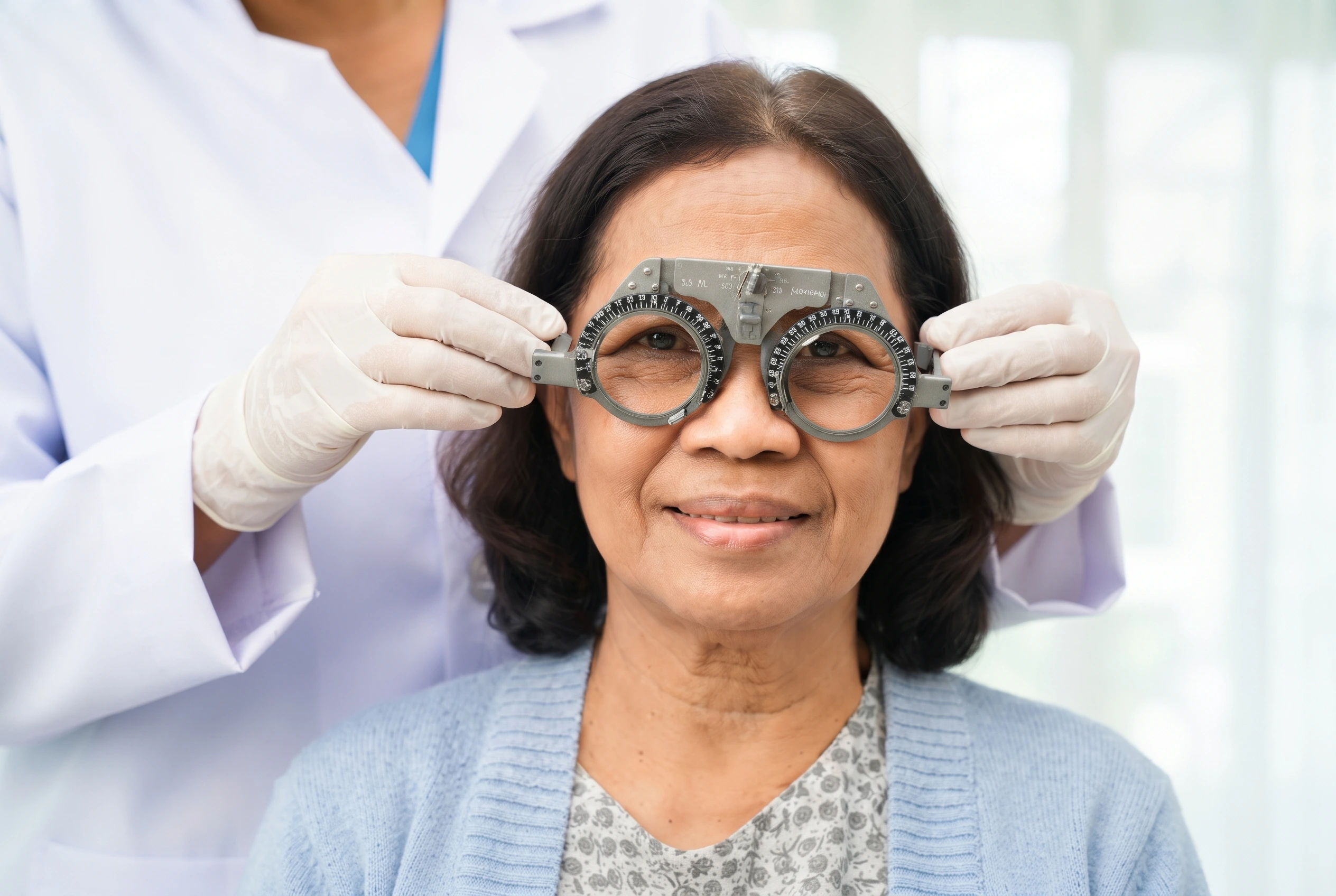
- Consultation and eye examination to assess suitability, including corneal mapping (topography).
- Lens selection and fitting, along with instructions on how to insert, remove, and care for the lenses.
- Wearing the lenses while sleeping according to the prescribed schedule and doctor’s instructions.
- Regular follow-up appointments to monitor vision, eye health, and lens fit.
Ortho-K may be a non-surgical option for myopia correction for some people, but it is not suitable for everyone and is not a permanent cure. Its effects are temporary, results may vary, and its safety depends on proper examination, disciplined lens care, and regular follow-up. To find out whether Ortho-K is suitable for your or your child’s eyes, consult a doctor at Mayapada Eye Centre.
Have you understood the basics of Ortho-K? The next most important step is to determine whether your or your child’s eyes are truly suitable for this treatment. Read next: [Ortho-K Eye Examination: What Needs to Be Evaluated Before Using the Lenses?] to learn what the doctor will assess before making a decision.
Medically Reviewed by:
DR. dr. Umar Mardianto, Sp.M (K)
Ophthalmologist
Mayapada Eye Centre @ MHJS and @ Sudirman
Last Updated: November 5, 2026
Reference:
American Academy of Ophthalmology. What Is Orthokeratology?
Benefits and risks of orthokeratology treatment
This information is for educational purposes and is not a substitute for consultation with a doctor. The stages of examination and treatment may vary and will be tailored to each patient’s medical condition.