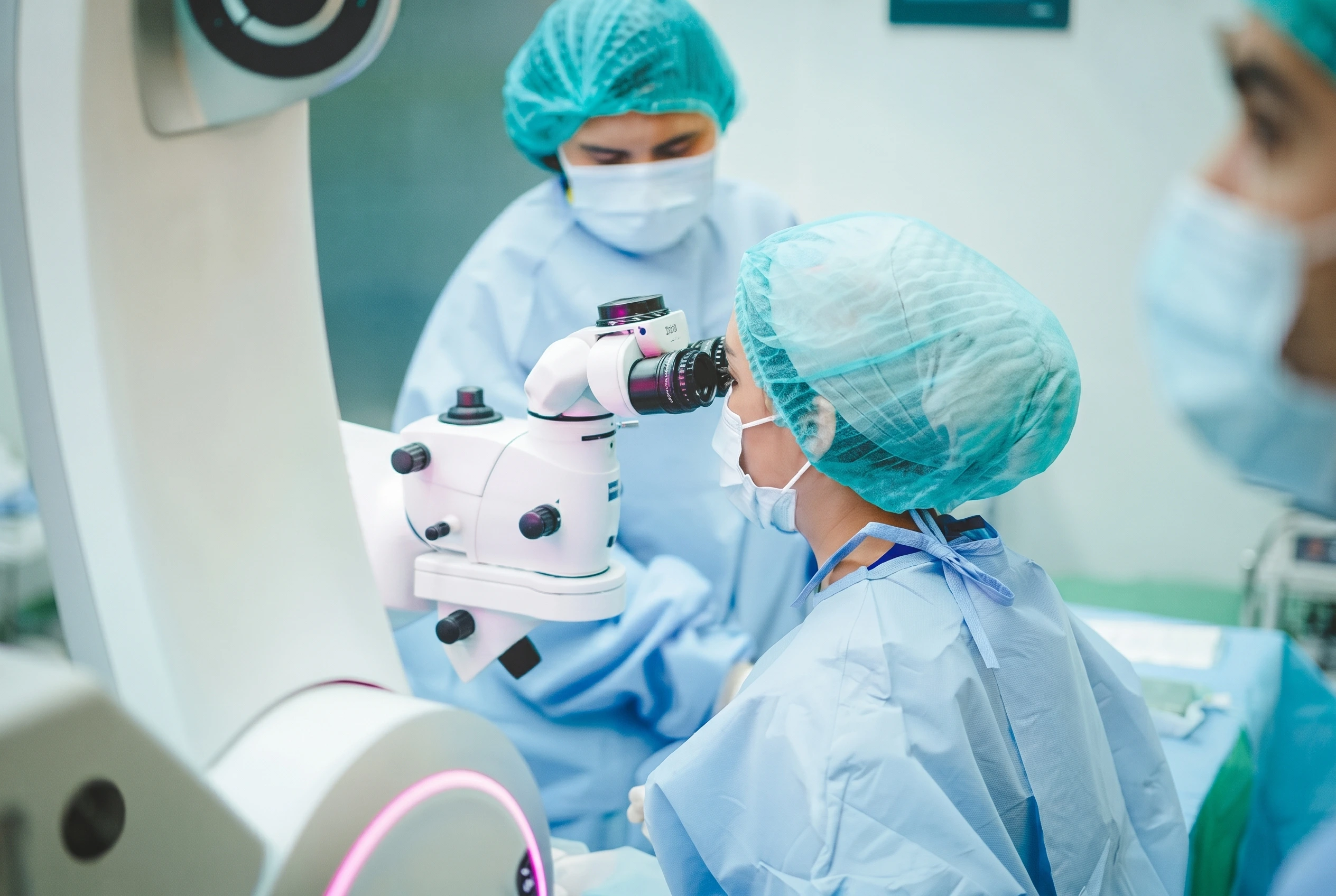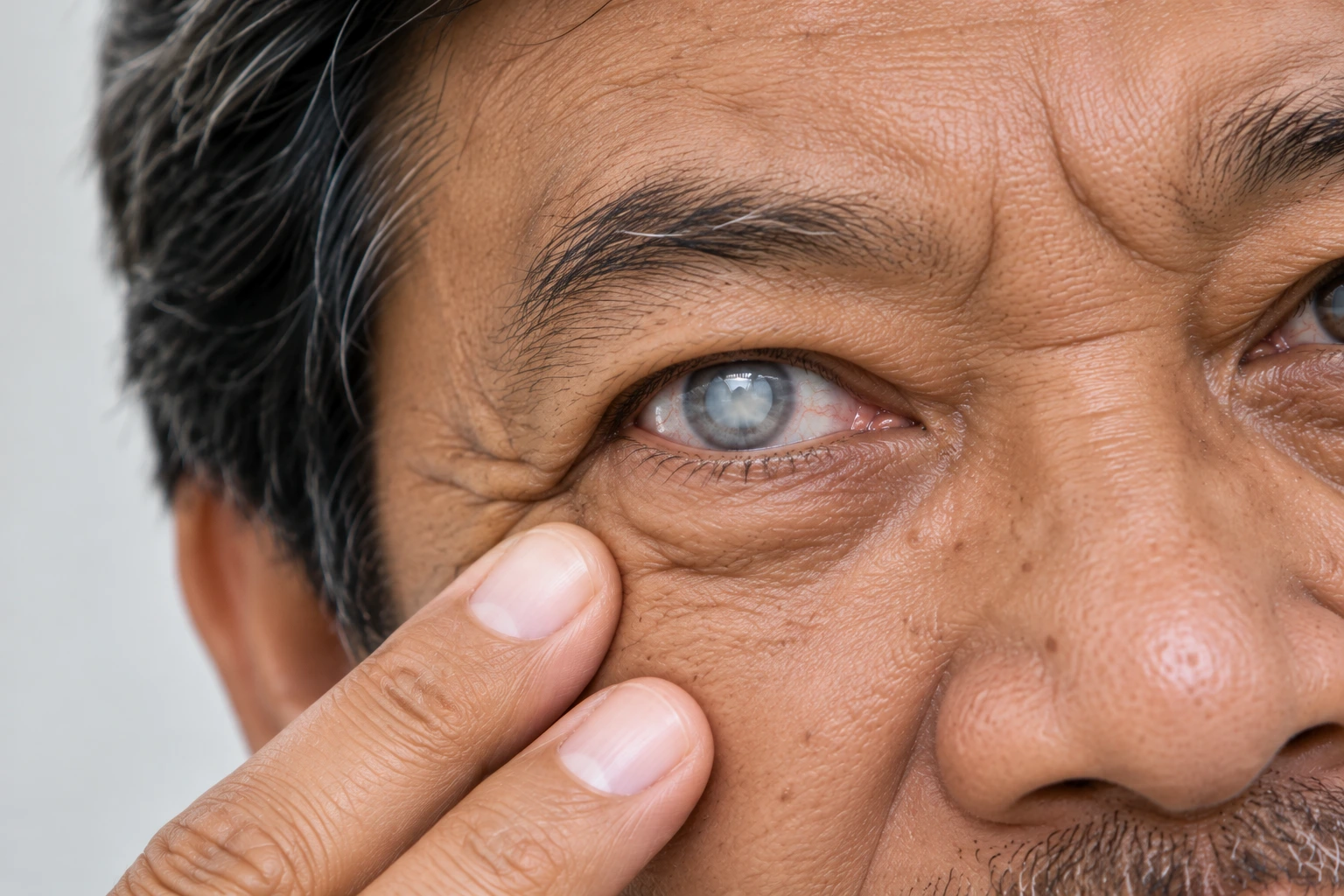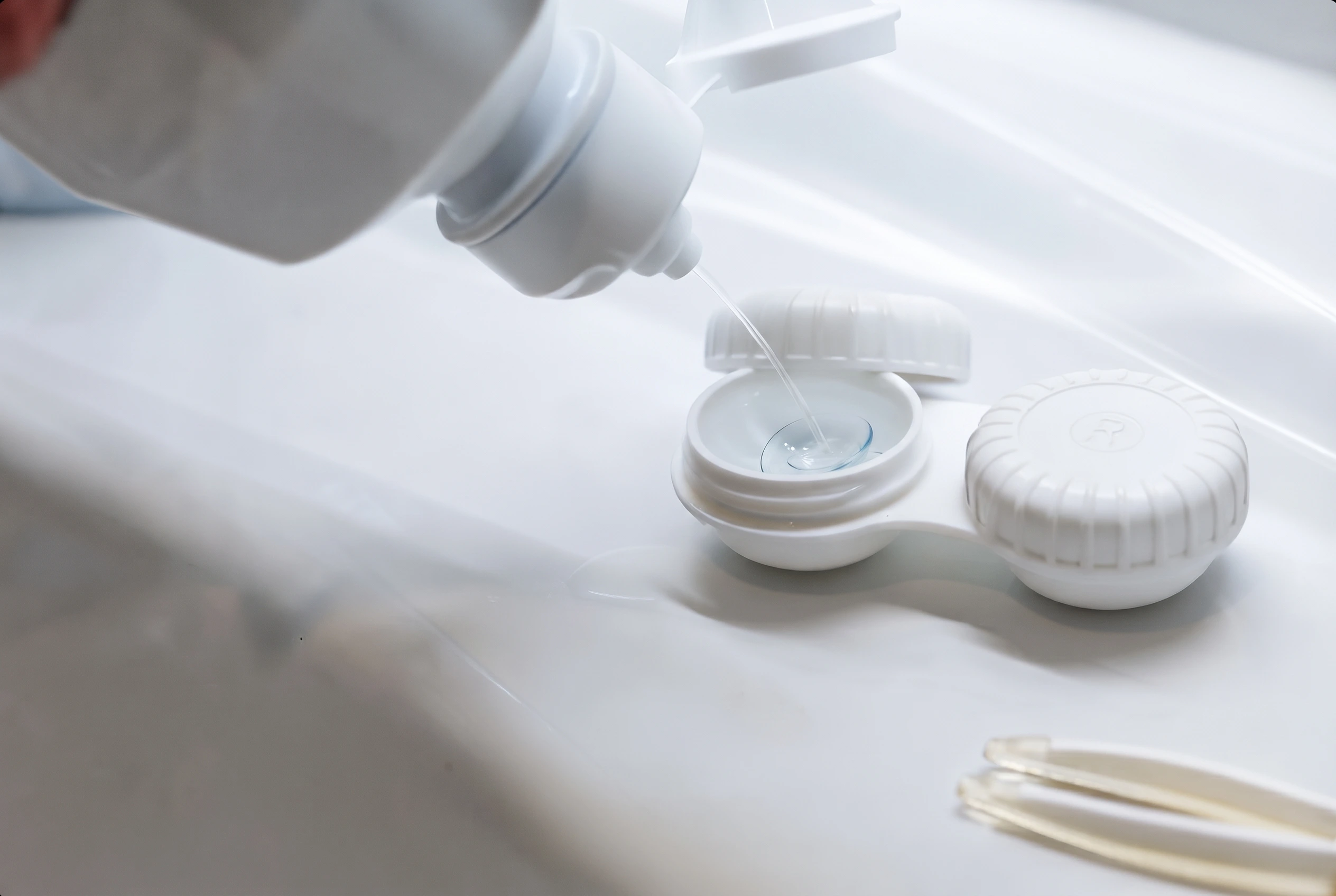
After starting to wear Ortho-K lenses, some users may need time to adjust to the sensation of the lenses and changes in their vision. Corneal responses are not always the same for everyone, so initial results should not be used as the sole benchmark. Follow-up examinations help the eye doctor assess lens fit, corneal changes, visual acuity, and the user’s comfort.
What Can You Expect During the Initial Adaptation Period?
During the early stages of use, users may experience the sensation of wearing rigid lenses, mild discomfort, or changes in visual quality that have not yet stabilized. Some studies have reported changes in visual parameters, such as light distortion, during the first few days, which may fluctuate throughout the adaptation period. However, research findings cannot be used to predict the experience of every patient.
Why Do Ortho-K Results Vary From Person to Person?
The response to Ortho-K is influenced by several factors, including the initial refractive error, corneal shape and characteristics, lens design and positioning, lens fit, adherence to the prescribed wearing schedule, and other individual factors. Therefore, it is not appropriate to promise that all users will achieve a specific level of vision within the same number of days. The corrective effect is also temporary and depends on wearing the lenses as prescribed.
What Is Evaluated During Follow-Up Examinations?
Visual Acuity
The eye doctor assesses vision without visual aids and, when necessary, with corrective lenses to evaluate any changes that have occurred.
Ocular Surface Condition
An examination is performed to ensure that the cornea and front part of the eye remain healthy and show no signs of irritation or complications.
Lens Fit and Condition
The lens position, fitting pattern, cleanliness, and physical condition are examined to determine whether any adjustments are necessary.
Corneal Topography
Corneal mapping helps assess changes in the corneal surface pattern and determine whether the response is consistent with the intended correction goals.
Myopia Management in Children
If Ortho-K is used as part of myopia management, the eye doctor may monitor the degree of refractive error and additional parameters, such as changes in axial length, based on clinical needs.
What Happens If You Stop Wearing Ortho-K Lenses?
The effects of Ortho-K are temporary and reversible. When lens wear is discontinued, the changes in corneal shape gradually diminish, allowing myopia to become noticeable again. The rate at which refractive conditions return may vary, so any decision to stop treatment or change the wearing schedule should be discussed with an eye doctor.
The Ortho-K adaptation period is a process that requires monitoring, rather than being judged solely by how quickly vision becomes clear. Follow-up examinations help ensure that corneal health, lens fit, and visual responses are properly monitored. Follow your eye doctor’s examination schedule and seek professional guidance promptly if you experience any unusual symptoms.
Routine follow-up care works best when accompanied by proper lens care habits at home. Continue reading: [How to Care for Ortho-K Lenses to Keep Them Clean and Safe to Use] to learn simple steps that can help keep your lenses and eyes healthy.
Medically Reviewed by:
DR. dr. Umar Mardianto, Sp.M (K)
Ophthalmologist
Mayapada Eye Centre @ MHJS and @ Sudirman
Last Updated: November 17, 2026
Reference:
Optometrists and Opticians Board, Singapore. Professional Practice Guidelines on Orthokeratology.
Swarbrick HA. Orthokeratology: clinical utility and patient perspectives. Clinical Ophthalmology. 2018.
American Academy of Ophthalmology. Bacterial Keratitis Preferred Practice Pattern.
This information is for educational purposes and is not a substitute for consultation with a doctor. The stages of examination and treatment may vary and will be tailored to each patient’s medical condition.