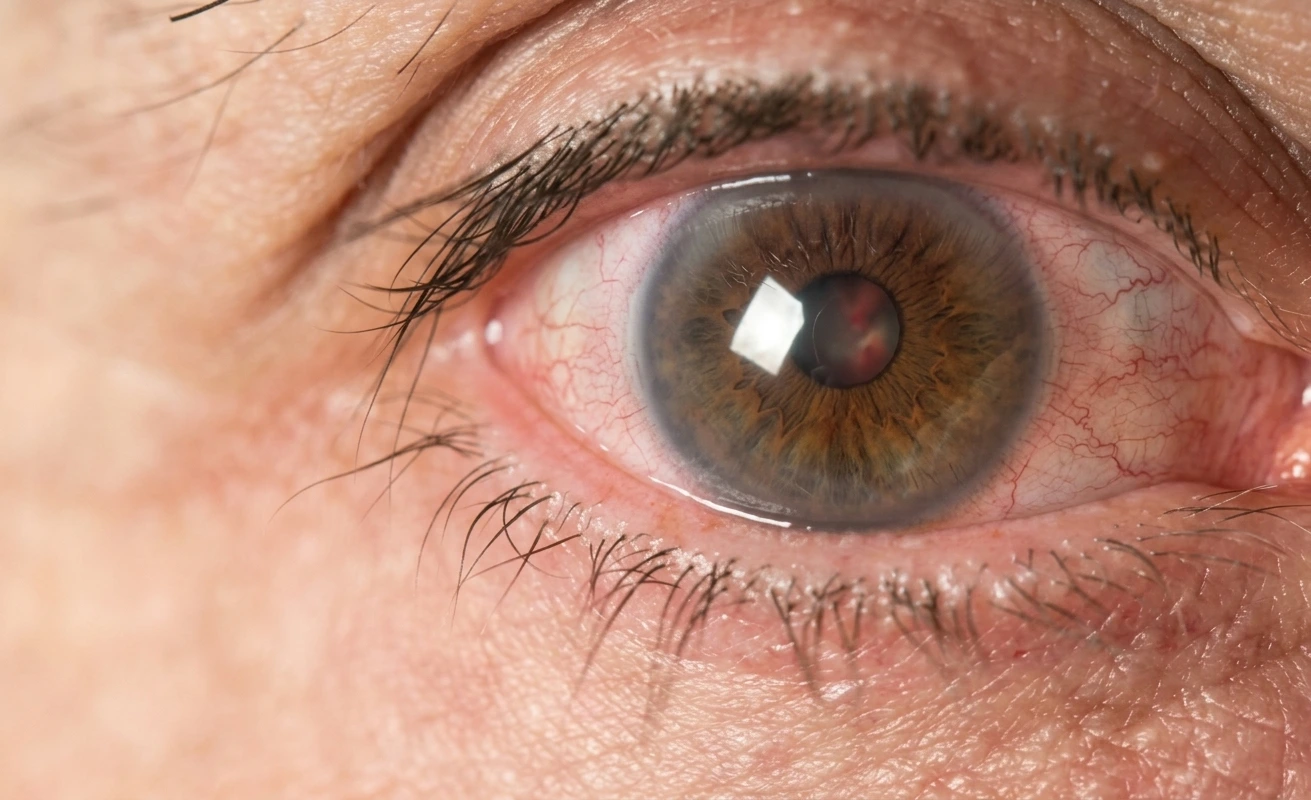
Cataract is one of the leading causes of vision impairment among adults and older individuals. It occurs when the natural lens becomes cloudy, preventing light from reaching the retina properly. Many patients delay cataract surgery due to concerns about fasting.
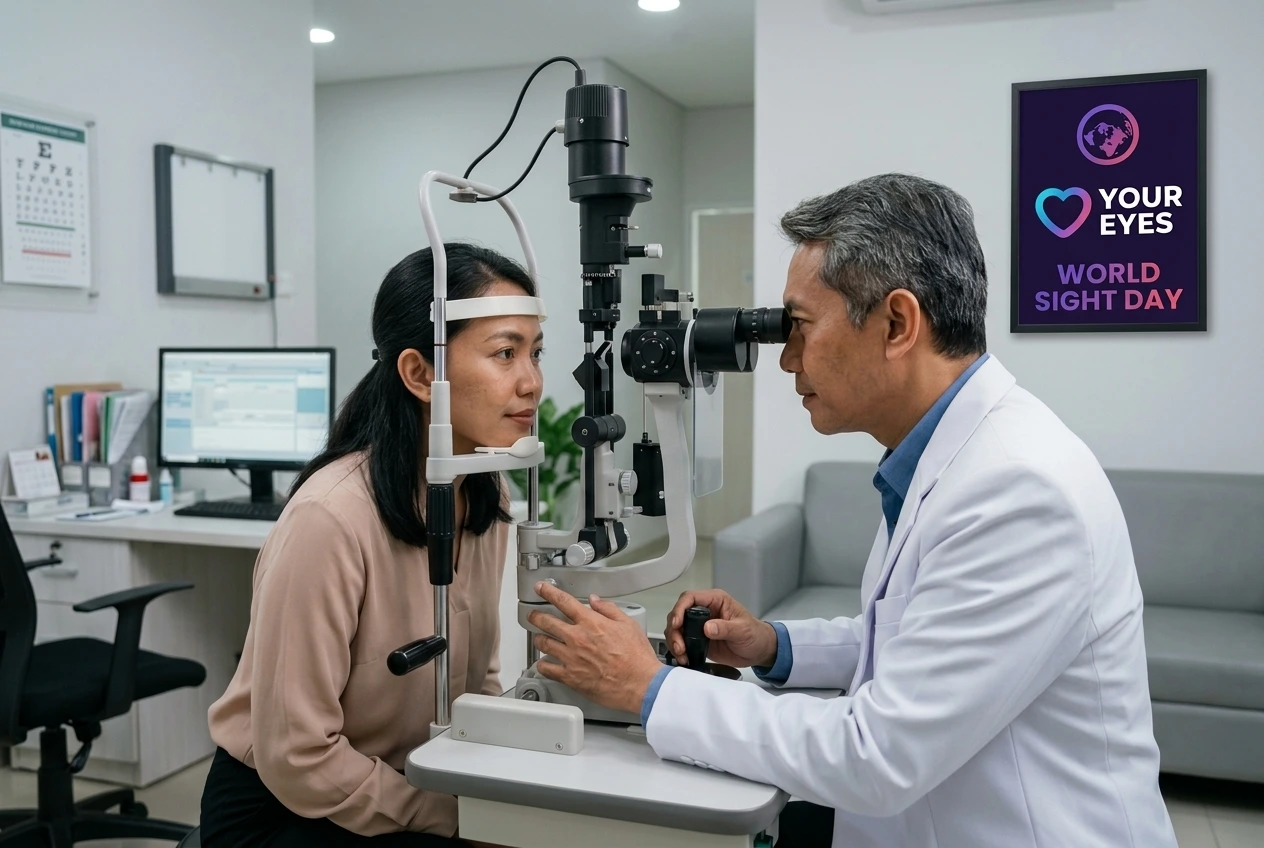
Medically, cataract surgery is a safe procedure performed using local anesthesia in the form of eye drops. The procedure does not require eating or drinking during surgery.
In medical understanding, fasting is invalidated when substances enter the body through eating or drinking and provide nutritional value. Cataract surgery does not involve the digestive tract because the procedure is performed on the eye.
Most contemporary Islamic scholars agree that medical procedures not involving the digestive system do not invalidate fasting. Therefore, cataract surgery can generally be performed during Ramadan.
The surgery is usually quick, and patients can go home on the same day. After the procedure, prescribed eye drops help healing and prevent infection.
Patients should still monitor their physical condition. If oral medication is required or weakness occurs, they should consult their doctor about continuing fasting.
Delaying cataract surgery may increase the risk of more severe vision problems. Ramadan should not prevent patients from receiving proper eye care.
Check your eye health now at Mayapada Eye Centre.