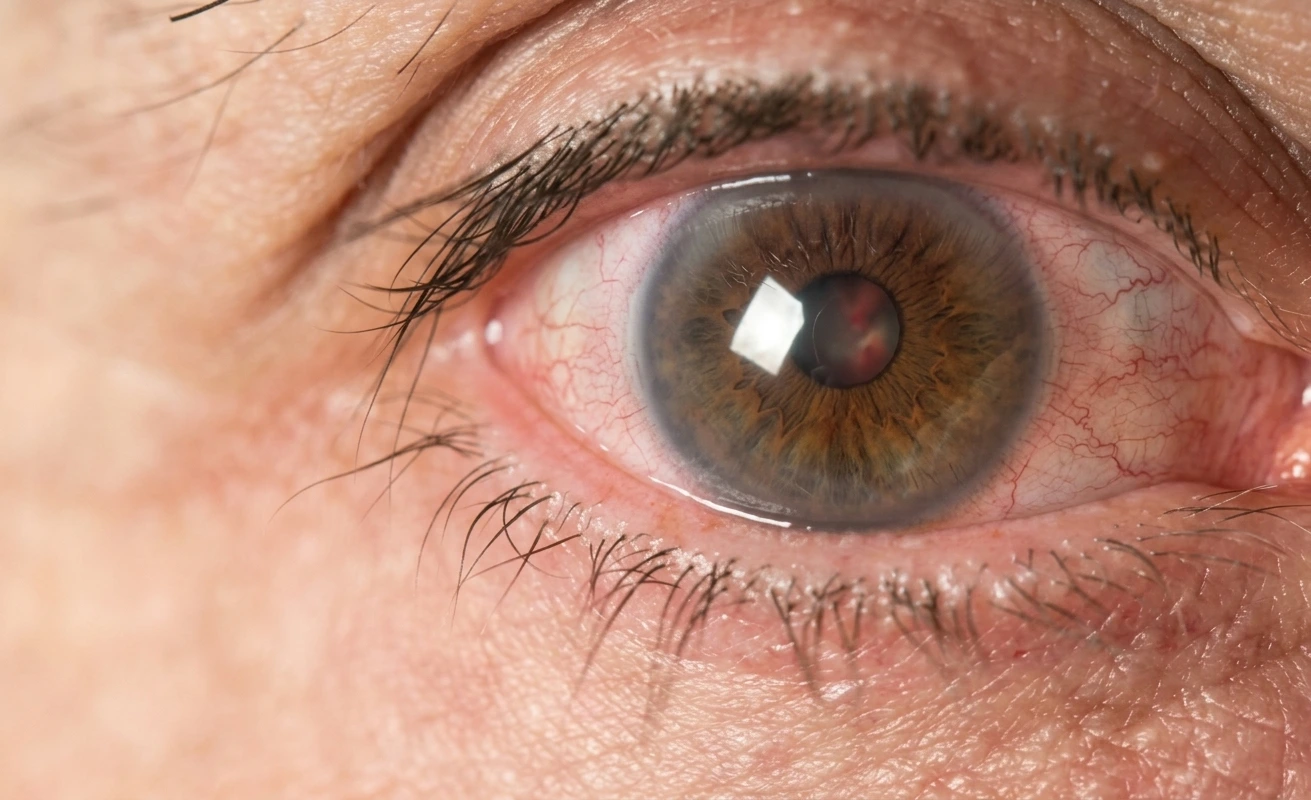
Color blindness is a vision condition that makes it difficult for a person to distinguish certain colors—particularly red, green, blue, or combinations of these. The severity can range from mild to severe, with the most common cause being genetic factors.
Types of Color Blindness
1. Red-Green Color Blindness
This is the most common form of color blindness and occurs when red or green cone cells in the eye are not functioning properly. It can be divided into four types:

Image: Normal Vision & Deuteranopia
- Deuteranopia
In this type, the green cone cells are missing. People with deuteranopia often see reds as yellowish-brown and greens as beige.

Image: Normal Vision & Protanopia
- Protanopia
This occurs when red cone cells are absent. Red appears dark or black, while orange and green look yellow. Purple and blue may also be difficult to distinguish.
- Protanomaly
People with protanomaly have red cone cells, but they don’t work correctly. Bright colors like orange, yellow, and red may appear greenish, while green appears less vivid.
- Deuteranomaly
This is the most common type of color blindness. Individuals with deuteranomaly perceive green and yellow as reddish.
2. Blue-Yellow Color Blindness
This type is much less common. It causes difficulty distinguishing between blue and green, and between yellow and red. It includes:

Color Blind Normal Color Vision
 Color Blind Protan
Image: Normal Vision & Tritanomaly
- Tritanomaly
Caused by a defect in the blue cone cells, this condition makes blue and green look similar, and red and yellow appear alike.

Image: Normal Vision & Tritanopia
- Tritanopia
In this case, blue cone cells are missing altogether. Blue appears green, and yellow may look like purple or grey.
Symptoms to Watch For
- Difficulty distinguishing certain colors
- Choosing mismatched clothing or colored objects
- Confusion when interpreting colored maps or charts
- Children struggling to learn or identify colors
Important: Color blindness often goes unnoticed, especially in children. Early eye screening is highly recommended.
Causes of Color Blindness
- Genetic factors: The most common cause, usually inherited from the mother to her son.
- Damage to the retina or optic nerve
- Side effects of certain medications
- Eye diseases such as glaucoma or cataracts
- Aging, which can affect color perception over time
How to Know If You Are Color Blind
See an eye specialist and consider the following tests:
- Tes Ishihara: Kartu warna berisi angka tersembunyi yang hanya terlihat oleh orang dengan penglihatan normal.
- Anomaloscope: Tes lanjutan untuk mendeteksi tingkat dan jenis buta warna.
- Tes Farnsworth-Munsell: Tes dengan gradasi warna untuk mengetahui kemampuan membedakan warna.
How to Know If You Are Color Blind
See an eye specialist and consider the following tests:
- Ishihara Test: Uses color plates with hidden numbers to detect red-green color blindness.
- Anomaloscope: A more advanced test to assess the type and degree of color blindness.
- Farnsworth-Munsell Test: Involves arranging colored caps to evaluate color discrimination skills.
Could Your Child Be Color Blind?

Early detection is key. Children with color blindness may face challenges in school—especially when working with color-coded materials, charts, or educational games.
If you or your child have trouble recognizing colors, don’t wait. Visit Mayapada Eye Centre and experience compassionate, professional eye care. We’re here to help you see the world more clearly and in full color.