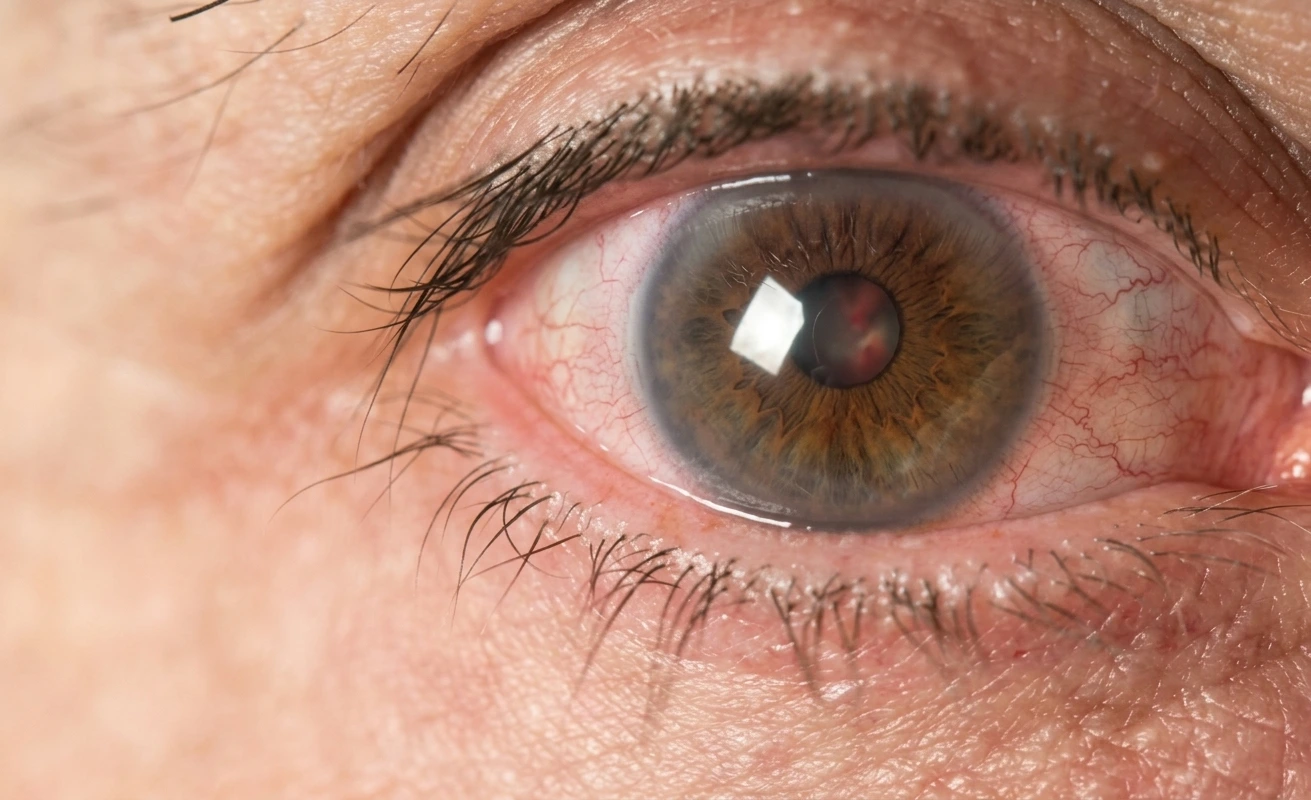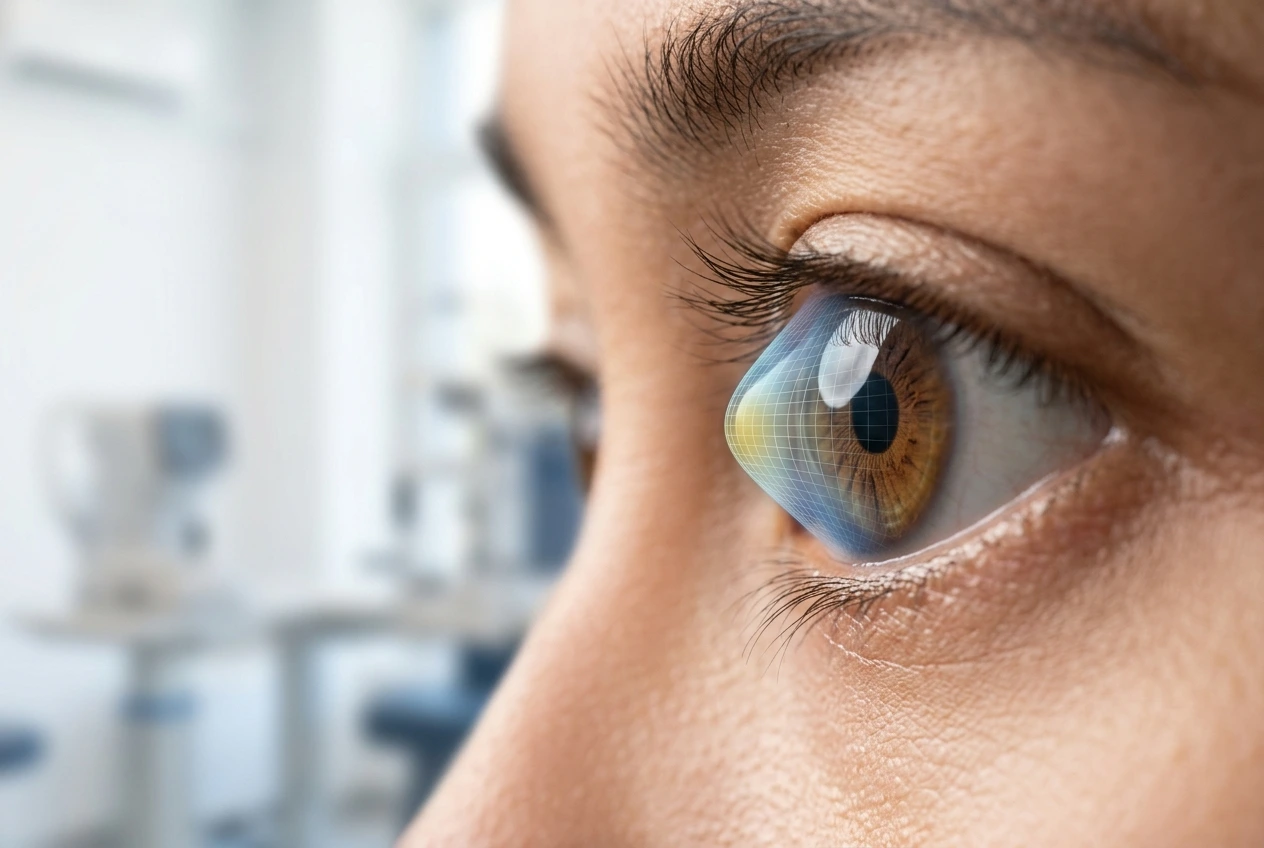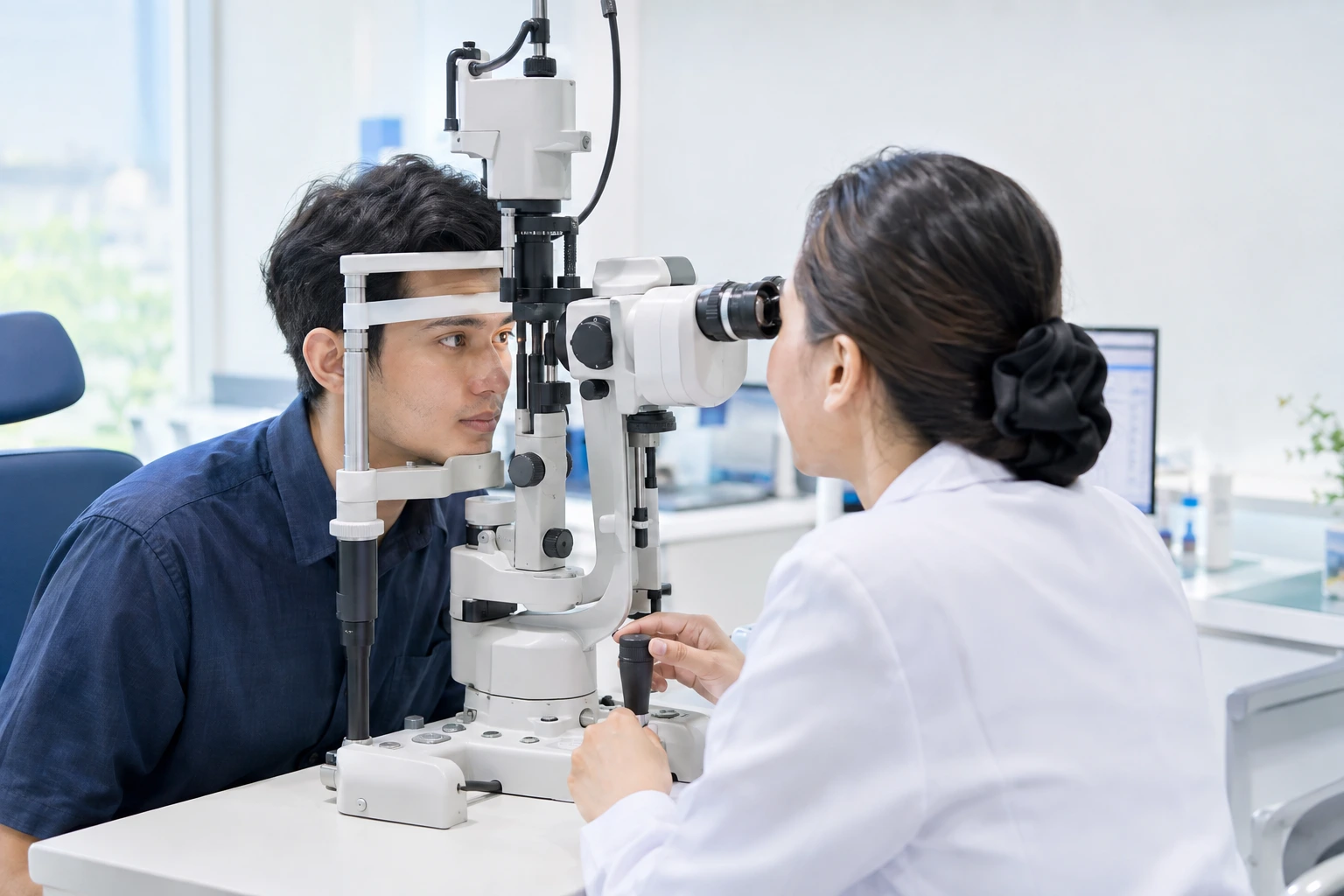
Eyes that feel overly sensitive to light are commonly described as photophobia or light sensitivity. This condition may be associated with dry eye disease, migraines, corneal disorders, inflammation inside the eye, or other eye conditions.
Light sensitivity is not always a sign of a serious problem. However, if it develops suddenly or is accompanied by eye pain, redness, or vision changes, you should seek a comprehensive eye examination promptly.
What Is Photophobia?
Photophobia is a condition in which exposure to light causes discomfort or pain in the eyes or head. People with photophobia may find sunlight, indoor lighting, or digital screens much brighter and more uncomfortable than usual.
Common symptoms include:
- Eye discomfort in bright light
- Difficulty keeping the eyes open in well-lit environments
- Eye pain when exposed to light
- Excessive tearing
- Frequent squinting
- Headaches
Photophobia is not a disease itself. Instead, it is a symptom that may be related to conditions affecting the eyes or the nervous system.
Why Do My Eyes Become Sensitive to Light?
The eyes and nervous system work together through complex pathways to process light. Research on photophobia suggests that light-sensitive retinal cells and the trigeminal nerve play important roles in the discomfort caused by bright light. As a result, light sensitivity is not always caused by a problem in a single part of the eye. Several conditions can make your eyes more sensitive to light.
- Dry Eye Disease
Dry eye disease can cause burning, irritation, a gritty sensation, and increased sensitivity to light. An unstable tear film and damage to the eye’s surface can reduce comfort when exposed to bright environments.
Other symptoms may include:- A gritty or sandy sensation
- Eye fatigue
- Red eyes
- Blurred vision
- Excessive tearing
- Migraine
Light sensitivity is one of the most common symptoms associated with migraines. For some people, bright light can trigger or worsen migraine headaches.
Additional symptoms may include:- Throbbing headache
- Nausea
- Sensitivity to sound
- Visual disturbances or aura
- Corneal Disorders
The cornea is the clear front surface of the eye. A corneal abrasion, infection, or inflammation can make the eyes extremely sensitive to light.
Symptoms may include:- Eye pain
- Red eyes
- Excessive tearing
- A foreign body sensation
- Blurred vision
- Uveitis
Uveitis is inflammation of the uvea, the middle layer of the eye. According to the NHS, symptoms of uveitis may include eye pain, red or watery eyes, blurred vision, and sensitivity to light. Symptoms may develop suddenly or gradually. Because inflammation inside the eye can threaten vision, uveitis requires prompt evaluation by an ophthalmologist. - Cataracts
Cataracts occur when the eye’s natural lens becomes cloudy. As the lens loses its clarity, incoming light scatters more easily, making bright lights appear more glaring.
Symptoms are often more noticeable when:- Looking at headlights at night
- Being in bright sunlight
- Driving after dark
- Corneal Abrasion or Eye Injury
A scratch on the cornea can cause significant pain and light sensitivity. Corneal injuries may result from fingernails, foreign objects, dust, or trauma to the eye. Because the cornea is highly sensitive, even a minor scratch can cause considerable discomfort. If light sensitivity develops after an eye injury and is accompanied by pain or blurred vision, seek an eye examination immediately. - Certain Neurological Conditions
Photophobia may also be caused by conditions outside the eye. Reviews on the mechanisms and diagnosis of photophobia show that abnormal light sensitivity can occur in both ophthalmic and neurological disorders. Therefore, a normal eye examination does not necessarily mean that photophobia is not real. Additional evaluation may be necessary depending on your symptoms and medical history.
Does Glare From Headlights at Night Mean You Have Cataracts?
Not necessarily.
Cataracts can cause glare and halos around lights, particularly while driving at night. However, refractive errors, corneal disorders, dry eye disease, and other eye conditions can also affect how you perceive light. If glare begins interfering with your daily activities or makes night driving difficult, schedule a comprehensive eye examination to determine the underlying cause.
Why Have My Eyes Suddenly Become Sensitive to Light?
A sudden increase in light sensitivity should never be ignored, especially if it is accompanied by:
- Eye pain
- Red eyes
- Blurred vision
- Decreased vision
- Severe headache
- Nausea or vomiting
These symptoms may require urgent evaluation to determine whether the cause originates from the eye or another medical condition.
Can Sunglasses Treat Light Sensitivity?
Sunglasses may help reduce discomfort from bright light in certain situations.
However, constantly avoiding light is not a substitute for medical evaluation if photophobia persists or worsens. Treatment should address the underlying cause, whether it is dry eye disease, migraines, cataracts, uveitis, or a corneal disorder.
When Should You See an Eye Doctor for Light Sensitivity?
Seek prompt medical attention if light sensitivity:
- Develops suddenly
- Is accompanied by eye pain
- Causes significant eye redness
- Is associated with blurred or decreased vision
- Occurs after an eye injury
- Develops in a contact lens wearer with a painful red eye
- Becomes progressively worse or interferes with daily activities
Light sensitivity accompanied by pain, redness, or changes in vision requires evaluation to determine the underlying cause.
Don’t Assume Your Eyes Are Sensitive Simply Because the Light Is Bright
Light sensitivity may be caused by dry eye disease or migraines. However, corneal disorders, uveitis, cataracts, and other eye conditions can also make your eyes unusually sensitive to light. Pay attention to when your symptoms occur and whether they are accompanied by other warning signs.
If your eyes have become increasingly sensitive to light or bright environments cause eye pain, consult an ophthalmologist to determine the cause and receive the appropriate treatment.
FAQ About Glare
Light sensitivity may be associated with dry eye disease, migraines, corneal disorders, uveitis, cataracts, or other eye conditions.
It can be. Cataracts commonly cause increased glare and halos around lights. However, light sensitivity does not always indicate cataracts.
Photophobia is frequently associated with migraines, although other eye and neurological conditions should also be considered depending on your symptoms.
Photophobia isn’t always dangerous. However, if it appears suddenly or is accompanied by pain, redness, or decreased vision, seek immediate medical attention.
Referensi:
American Academy of Ophthalmology. Light Sensitivity.
NHS. Uveitis.
Cleveland Clinic. Photophobia: Light Sensitivity.
Katz BJ, Digre KB. Diagnosis, Pathophysiology, and Treatment of Photophobia. Survey of Ophthalmology. 2016.
Diel RJ, et al. Photophobia: Shared Pathophysiology Underlying Dry Eye Disease, Migraine and Traumatic Brain Injury. British Journal of Ophthalmology. 2021.
Wu Y, et al. The Unmet Challenge of Diagnosing and Treating Photophobia. Journal of Neuro-Ophthalmology. 2022.